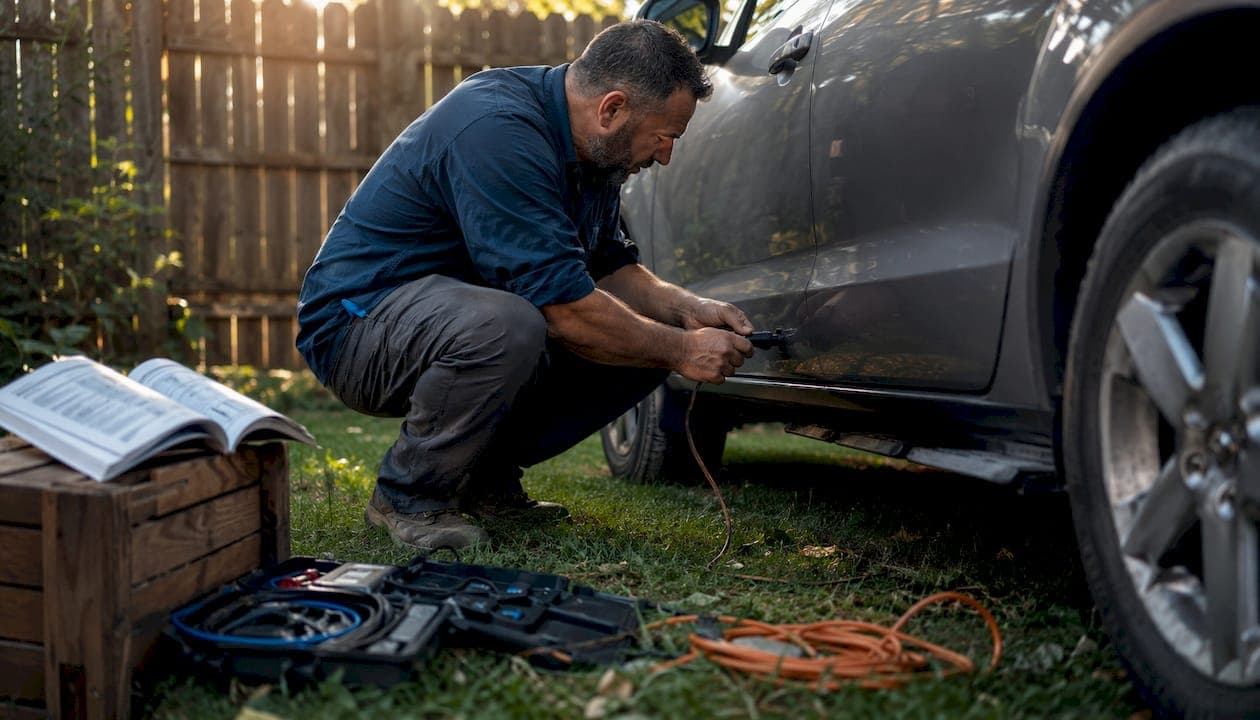
You can complete a vehicle upgrade without a dealership visit by choosing one of five practical paths: mobile on-site installers, independent aftermarket shops with pickup/dropoff, mail-order parts plus DIY, plug-in ECU/OBD-II tuning devices, or factory-authorized remote software updates. Each path suits a different need and budget.
Best-for quick reference:
- Remote start or comfort upgrades: Plug-and-play kits like Kleinn or REMOGO with minimal wiring
- Infotainment or camera upgrades: Mail-order parts plus a mobile installer; common upgrades cost under $500 for parts and basic installation
- Performance tuning: A plug-in device like the Autotuner One with app-guided remap workflows
- Managed, warranty-aware route: Auto Vendors Inc concierge upgrade coordination handles parts sourcing, vetted mobile installers, and trade-in logistics so you never have to coordinate it yourself
Before committing to any upgrade, run your current vehicle through an online valuation tool like KBB to understand how the modification may affect resale or trade-in value.
Table of Contents
- How do you vet and hire a mobile installer or third-party technician?
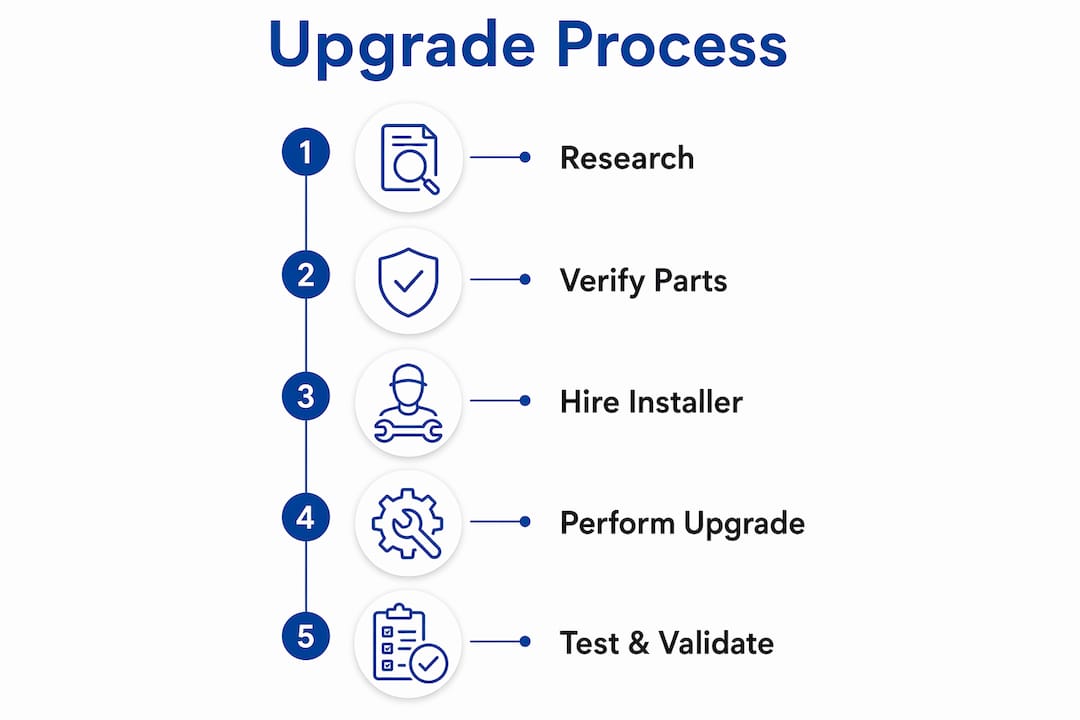
- A step-by-step plan to upgrade your car without visiting a dealer
- Safety considerations for DIY upgrades
- Where to find and verify quality aftermarket parts
- Autovendorsfl makes skipping the dealer straightforward
- Comparing your upgrade options side by side
- Key Takeaways
How do you vet and hire a mobile installer or third-party technician?
Start with credentials. Ask whether the technician holds ASE certification or an equivalent credential for the specific upgrade type. A certified installer for infotainment work is not automatically qualified for ECU remapping.
Request before-and-after scan reports in writing. Any reputable shop or mobile technician should provide a diagnostic scan before touching the vehicle and another after completing the work. This protects you if a warranty dispute arises later.
Red flags to avoid: no written parts warranty, vague timelines, no verifiable reviews, and pressure to skip a pre-work inspection. Also confirm pickup/dropoff logistics are documented before you hand over keys.
A step-by-step plan to upgrade your car without visiting a dealer
- Define the upgrade — infotainment, remote start, performance tune, or cosmetic.
- Check compatibility — verify your VIN, model year, and trim level against the product's application chart before ordering anything.
- Get a baseline valuation — use KBB or a similar tool to record your vehicle's current value; online trade-in offers are typically valid for around seven days, so time this step carefully.
- Source parts — use verified aftermarket suppliers (see the parts section below).
- Book a mobile installer or arrange pickup/dropoff — confirm ASE credentials, written warranty, and scan reports upfront.
- Complete the upgrade — for DIY tuning, keep a battery charger connected throughout the flash to prevent voltage drops that can damage the ECU.
- Re-run diagnostics — confirm no fault codes before driving.
Safety considerations for DIY upgrades
The biggest risk in DIY ECU tuning is a failed flash caused by a power interruption. A voltage drop mid-flash can damage the ECU, sometimes permanently. Always connect a battery charger and maintain a stable internet connection when downloading tune files.
For plug-and-play remote-start kits, verify that your specific model year is on the compatibility list. Some kits require a Windows computer for initial module programming even when the physical install is tool-free.
Pro Tip: Devices like the Autotuner One include ECU checksum validation before writing any changes, which meaningfully reduces the risk of a corrupt flash compared to generic OBD-II tools.
Emissions-related modifications carry legal risk. Any tune that deletes or disables emissions controls is restricted to off-road or competition use under federal law. Confirm compliance before flashing.
Where to find and verify quality aftermarket parts
Three reliable starting points for U.S. buyers:
- Manufacturer-direct product pages — Kleinn and REMOGO both publish vehicle-specific application charts; cross-reference your VIN before purchasing.
- Established aftermarket retailers — sites like Crutchfield for audio/infotainment and Summit Racing for performance parts carry fitment tools that filter by year, make, model, and trim.
- Mobile installer networks — a vetted mobile technician often sources parts through trade accounts with quality controls you cannot easily replicate as a consumer.
Always confirm the part carries a written warranty and that the seller can provide a return path if fitment fails. For luxury vehicle buyers, sourcing through a concierge service adds a layer of accountability that generic online marketplaces do not.
Autovendorsfl makes skipping the dealer straightforward
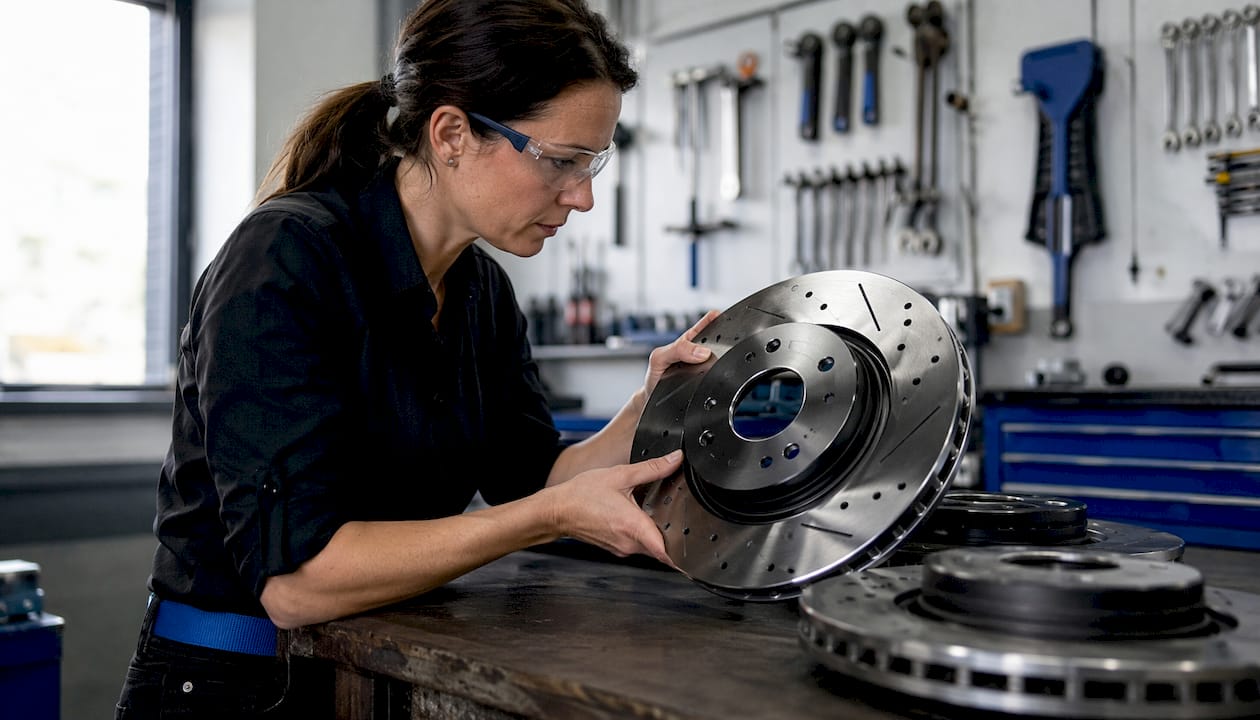
Coordinating a dealership-free upgrade on a used or luxury vehicle involves more moving parts than most buyers expect: sourcing compatible parts, vetting a mobile technician, scheduling pickup/dropoff, and protecting your trade-in value throughout. Autovendorsfl's concierge upgrade coordination handles all of it. The team sources parts from verified suppliers, connects buyers with vetted mobile installers, and manages the logistics from first call to final diagnostic scan. Trade-in valuation and paperwork are part of the same conversation, so nothing falls through the cracks.
If you're ready to add a comfort or performance upgrade to a vehicle you're purchasing, or you want to explore current pickup inventory before deciding on upgrades, reach out to Autovendorsfl directly to request concierge coordination.
Comparing your upgrade options side by side
| Option | Typical Cost | Turnaround | Technical Complexity | Warranty Implications | Resale/Trade-In Impact | Safety/Legal Compliance |
|---|---|---|---|---|---|---|
| Auto Vendors Inc concierge | Varies by upgrade | Coordinated per schedule | Managed for you | Warranty-aware sourcing and vetting | Trade-in support included | Vetted installers, scan reports |
| Autotuner One | Mid-range device cost | Hours (app-guided) | DIY, moderate skill | May affect powertrain warranty | Performance gains can cut both ways | ECU validation, checksum safeguards |
| Kleinn remote-start kit | Under $500 typically | 1–3 hours install | DIY, low-moderate | Minimal if installed correctly | Neutral to slight positive | Pre-flashed, no-splice design |
| REMOGO remote-start kit | Under $500 typically | 1–3 hours install | DIY, low-moderate; Windows PC may be needed | Minimal if installed correctly | Neutral to slight positive | Factory-remote integration |
| Mobile professional install | $150–$500+ labor | Same day | Pro-handled | Depends on installer credentials, with experience comparable to a professional fleet-level service | Neutral | Varies; request ASE credentials |
Key Takeaways
A dealership-free upgrade is safest when you match the right path to your skill level, verify compatibility before buying, and document everything with scan reports and written warranties.
| Point | Details |
|---|---|
| Five upgrade paths exist | Mobile installers, independent shops, mail-order DIY, plug-in tuners, and remote software updates each suit different needs. |
| Compatibility check is non-negotiable | Always verify VIN, model year, and trim level against the product's application chart before purchasing any kit. |
| ECU safety precautions matter | Connect a battery charger during any flash operation; a voltage drop can permanently damage the ECU. |
| Infotainment upgrades offer strong value | Common infotainment and camera upgrades often cost under $500 for parts and basic installation. |
| Autovendorsfl concierge option | Autovendorsfl coordinates parts sourcing, vetted mobile installers, and trade-in support for a managed, low-hassle upgrade experience. |