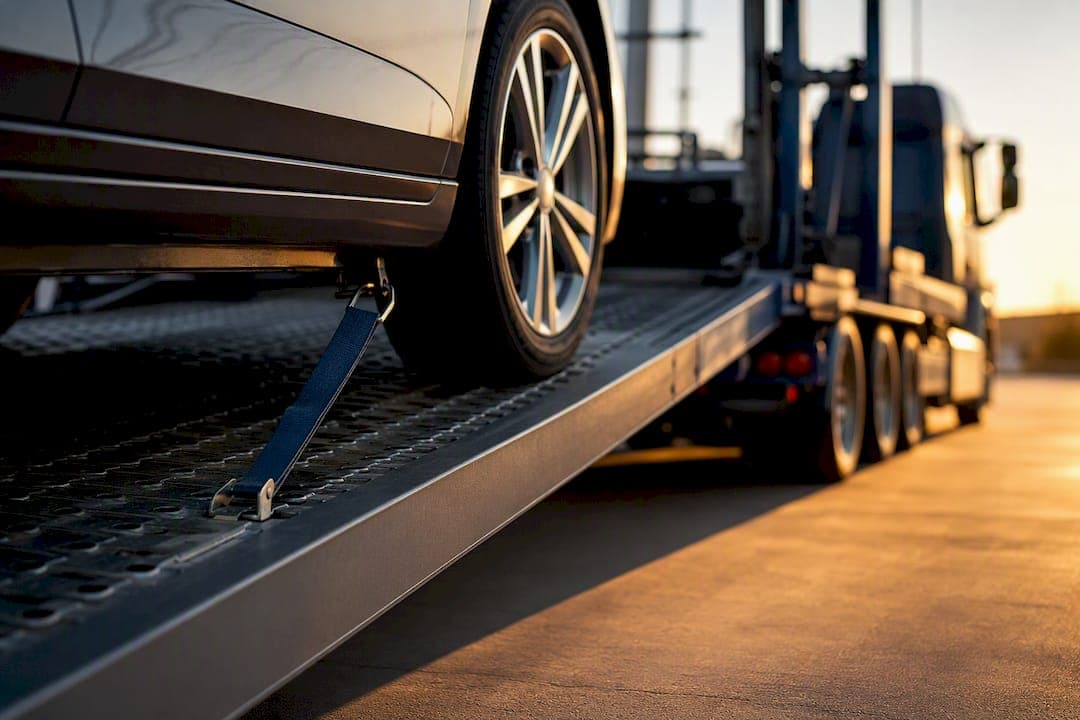
Yes, you can ship a car after purchase, and the process is straightforward once you know the right sequence. Expect roughly $0.60 to $1.50 per mile depending on distance and carrier type, with transit taking anywhere from one to ten days. Before anything else, confirm your paperwork (Bill of Sale, temporary registration, VIN match) and ask the dealer whether they're using a broker or a direct carrier, since that single question determines whether you're paying the fair market rate or a padded markup.
TL;DR:
- Shipping costs range from $0.60 to $1.50 per mile, with longer routes generally reducing the per-mile rate but increasing total expenses.
- Enclosed transport costs 20 to 40% more than open shipping, mainly for protection of luxury or collector vehicles.
- Dealer quotes often include a markup of 30 to 50% over market rates, so verifying carrier rates and asking for carrier details can save hundreds of dollars.
- Pickup scheduling usually takes one to five business days, with transit time between one and ten days depending on the route length and seasonal demand.
- Proper documentation, including a Bill of Sale, VIN match, and temporary registration, is essential for carriers before pickup and can help prevent delays or damage disputes.
Table of Contents
- Car Shipping After Purchase: What Costs and Timelines Actually Look Like
- Should You Let the Dealer Ship It or Handle It Yourself?
- What Paperwork Do You Need Before the Car Can Ship?
- How Do You Prepare the Car for Pickup Day?
- How Do You Get Quotes and Book Transport Yourself?
- What Insurance Coverage Protects Your Car in Transit?
- What Should You Check on the Bill of Lading?
- How Do Payment and Dealer Negotiation Actually Work?
- What Scams and Red Flags Should You Watch For?
- How Does Auto Vendors Inc Support Buyers With Shipping?
- Do You Need a Temporary Tag or Permit to Transport a Car?
- How Do You Coordinate Pickup Logistics With the Carrier?
- What Are the Cancellation and Refund Policies for Car Shipping?
- How Do You Handle Vehicle Condition Disclosures and Claims?
- Should You Let the Dealer Ship the Car or Hire Independently?
- What I Wish More Buyers Knew About Shipping a Car They Just Bought
- Ready to Ship Your Next Vehicle the Smart Way?
- Sources
- FAQ
Car Shipping After Purchase: What Costs and Timelines Actually Look Like
The price of shipping a car depends almost entirely on distance, vehicle type, and whether you choose open or enclosed transport. Open carrier shipping, the flatbed-style trailers you see hauling six or seven cars at once, typically runs $0.60 to $1.50 per mile depending on route length. Shorter routes cost more per mile because the carrier has less distance to spread fixed costs like fuel and driver time. Cross-country hauls drop toward the lower end of that band per mile, even though the total bill is larger.
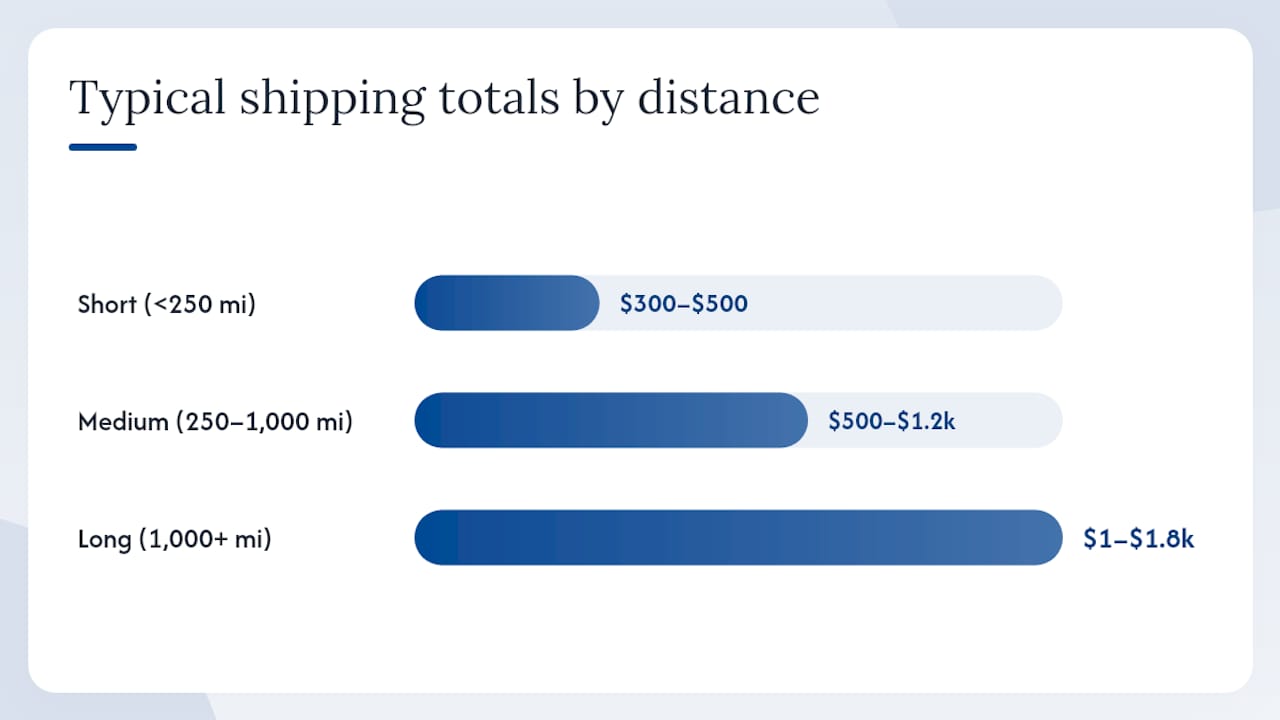
Here's how that typically breaks down by distance:
- Short hauls (under 250 miles): Expect the higher end of the per-mile range, often landing between $300 and $500 total, since drivers still need to cover fuel and time regardless of a short trip.
- Medium distance (250 to 1,000 miles): Costs usually total somewhere between $500 and $1,200, with the per-mile rate settling into the middle of the range.
- Long distance (1,000+ miles, coast to coast): Total costs commonly land between $1,000 and $1,800, even though the per-mile rate is at its lowest.
Enclosed transport, the fully covered trailers used for luxury and collector vehicles, costs roughly 20 to 40% more than open transport. That premium buys protection from road debris, weather, and the prying eyes that come with hauling a six-figure vehicle on an open rig. For most daily drivers, open transport is fine. For anything with collector value or a fresh factory finish, the extra cost is a reasonable trade.
Statistic Callout: Industry data shows open carrier rates typically fall between $0.60 and $1.50 per mile, while enclosed transport adds a 20 to 40% premium on top of that base rate.
Timing works on two separate clocks: pickup lead time and in-transit time. Pickup assignment, the wait between booking and a driver actually showing up, typically takes one to five business days. Once the car is loaded, transit under 500 miles usually takes one to three days, while cross-country shipments run five to ten days. Seasonal demand shifts these numbers, too. Snowbird migration season in Florida and Arizona, for example, tightens capacity on certain lanes and can push rates higher if your pickup falls during peak months.
Dealer invoices for shipping rarely reflect the open-market rate. A dealer might quote you $1,400 for a route that would cost $900 to $1,000 booked independently. That gap is the markup, and it's the single biggest reason to read the next section closely before you sign anything.
Should You Let the Dealer Ship It or Handle It Yourself?
A broker arranges transport by posting your load to a network of independent carriers and matching you with whoever is available and priced right. A direct carrier owns its own trucks and drivers and handles the shipment start to finish. Brokers are the more common option because they pull from a wider pool of trucks, which usually means faster pickup scheduling. Direct carriers often charge 20 to 30% more than broker-sourced loads, but they tend to offer better tracking and more consistent communication since there's no middleman relaying information.
Dealers almost always use a broker behind the scenes, then mark up the price before passing it to you. That markup commonly runs 30 to 50% above the open-market carrier rate, which on a $1,000 shipment could mean paying an extra $300 to $500 for the dealer to make a phone call. Dealerships are retail operations built to sell cars, not logistics companies, and that shows up clearly in how much they charge for something they're subcontracting anyway, according to RoadRunner Auto Transport.
Here's a simple framework for deciding which route fits your situation:
- Choose a direct carrier when the vehicle is expensive, rare, or time-critical and you want a single point of accountability.
- Accept a broker-sourced load when the vehicle is a standard daily driver and cost matters more than white-glove tracking.
- Push back on dealer-arranged shipping whenever the quote feels padded, since you can usually verify the underlying rate yourself in minutes.
Pro Tip: Ask the dealer directly for the name of the carrier or broker they're using and the quoted rate before markup. Most will tell you if you ask plainly, and that number alone gives you leverage to negotiate or simply book the same carrier yourself for less.
If you're buying from out of state, it helps to understand the full cost picture beyond just shipping. Our guide on budgeting for an out-of-state purchase breaks down taxes, DMV fees, and dealer add-ons that often get bundled together.
What Paperwork Do You Need Before the Car Can Ship?
Carriers won't load a vehicle without proof it legally belongs to you or that you're authorized to move it. The core documents almost every transporter requires include a Bill of Sale or other proof of ownership, along with confirmation that the 17-character VIN on your paperwork matches the vehicle exactly. A single mismatched character can hold up delivery or cause registration headaches at the destination.
Follow this checklist before pickup day:
- Confirm the Bill of Sale is finalized. Most carriers accept a clear photo or PDF copy, but some require the original at pickup, so ask ahead of time.
- Verify temporary registration or a temp tag is in hand. Many states require this before a vehicle can legally travel on public roads, even loaded on a trailer.
- Match the VIN character by character. Check it against the title, the Bill of Sale, and the vehicle's dashboard or door jamb plate.
- Ask about auction or private-seller requirements. Auction purchases often require a gate pass or buyer PIN before the vehicle can be released to a carrier.
- Flag inoperable vehicles in advance. A car that doesn't start or roll needs winch-equipped equipment, and not every carrier has it, so disclose this when booking.
For a deeper look at how title transfers interact with temporary tags, our breakdown of who files and who pays at the dealership walks through the timing most buyers get wrong. If you want a plain-language explanation of what a Bill of Sale actually needs to include, Liberty CDJR's guide covers the required fields clearly.
How Do You Prepare the Car for Pickup Day?
A few minutes of prep protects you from damage disputes later. Start with the basics:
- Clear out personal items. Carriers aren't responsible for anything left inside, and loose items can shift and cause interior damage during transit.
- Set the fuel level low. Most carriers ask for a quarter tank or less, since a full tank adds unnecessary weight to the load.
- Disable alarms and remote starters. A car alarm triggering repeatedly on a moving trailer creates problems for the driver and other vehicles nearby.
- Photograph every angle. Take timestamped photos of all four corners, the odometer reading, and any existing scratches or dents, then share copies with both the seller and the carrier.
- Flag special handling needs. Lowered suspensions, oversized tires, or inoperable vehicles all require specific loading equipment, so mention this when booking, not on pickup day.
- Confirm who loads the car. Know whether dealer staff or the seller will drive it onto the trailer, and keep the driver's contact information handy in case plans shift.
How Do You Get Quotes and Book Transport Yourself?
Booking your own carrier isn't complicated, but it rewards a bit of patience upfront. Follow this sequence:
- Gather at least three quotes. Use online shipping calculators, independent broker websites, and direct carrier sites to compare pricing on the same route.
- Verify DOT and MC numbers. Every legitimate carrier or broker has a Department of Transportation number and Motor Carrier number you can check against federal records.
- Ask for cargo insurance details in writing. Get the coverage amount and confirm it applies per vehicle, not just per shipment.
- Request the driver's contact information and pickup window. Direct communication with the actual driver reduces confusion far more than relaying messages through a dispatcher.
- Start quoting early. Begin gathering rates while you're still negotiating the purchase, since carrier assignment can take several days and you don't want the car sitting on a lot longer than necessary.
- Choose a fraud-resistant payment method. Credit cards or secure payment platforms offer dispute protection that cash apps and wire transfers don't.
Pro Tip: Save the driver's cell phone number the moment you get it. A two-minute call on pickup morning to confirm the address and timing prevents most of the miscommunication that turns into a missed pickup window.
What Insurance Coverage Protects Your Car in Transit?
Every carrier is required to carry basic BIPD (Bodily Injury and Property Damage) coverage, but that's not the same as cargo insurance covering your vehicle specifically. Cargo coverage varies by carrier and may not fully cover a single vehicle's value, especially for higher-value cars.
Before booking, take these steps:
- Check the carrier's record on FMCSA's safer.fmcsa.dot.gov Company Snapshot tool. This free lookup shows DOT and MC status along with insurance filings.
- Ask for the per-load cargo insurance limit in writing. If your car's value exceeds that limit, ask about supplemental coverage.
- Consider a per-vehicle cargo endorsement for expensive cars. Supplemental transit insurance naming the VIN and agreed value adds a layer of protection standard cargo policies may not provide.
- Photograph the vehicle at both pickup and delivery. This is your primary evidence if a claim becomes necessary.
- Keep every document. That means the quote, the signed contract, the Bill of Lading, all photos, and any payment receipts.
Statistic Callout: Direct carriers, which own their trucks and drivers rather than subcontracting through a network, often charge 20 to 30% more but tend to deliver more reliable tracking, which matters if you're relying on cargo coverage to hold up under scrutiny.
What Should You Check on the Bill of Lading?
The Bill of Lading (BOL) is the legal record of your vehicle's condition at pickup and delivery, and it's the single most important document in the entire shipment.
- At pickup, watch the driver inspect the car. Confirm every scratch, dent, or existing issue gets written down before you sign anything.
- At delivery, inspect before you sign, not after. Start the engine, verify the mileage matches what you expect, and walk the entire exterior for new damage.
- Never sign a clean BOL if there's damage you can see. Signing off without noting new damage makes filing a claim afterward extremely difficult, sometimes impossible.
- If you can't be there in person, send a trusted proxy. A friend, family member, or even a delivery-terminal pickup gives you someone on the ground to inspect the vehicle.
- Document and escalate immediately if you find damage. Photograph it, note it on the BOL before the driver leaves, and contact the carrier's claims department the same day.
How Do Payment and Dealer Negotiation Actually Work?
Dealers frequently quote a shipping price that's already padded by 30 to 50% over the underlying carrier rate. The fix is simple: ask directly what carrier they're using and what that carrier is charging before markup.
- Request the pickup address and business hours. If you decline dealer-arranged shipping, an independent carrier can pick up directly from the dealership lot instead.
- Expect a deposit-plus-balance structure. Most carriers collect a small deposit at booking, with the remaining balance due on delivery, either to the driver or the company.
- Use secure payment methods only. Credit cards and verified digital payments give you recourse; cash, wire transfers, and app-based person-to-person payments generally don't.
- Get everything in writing before the car leaves the lot. That includes the final price, pickup window, and who is responsible for loading.
What Scams and Red Flags Should You Watch For?
The auto transport industry has enough bad actors that a healthy dose of skepticism serves you well. Watch for these warning signs:
- Bait-and-switch pricing, where the quoted rate mysteriously increases right before pickup.
- Requests to skip standard payment protections, like insisting on cash or an untraceable transfer.
- Unverifiable DOT or MC numbers that don't match anything in federal records.
- Quotes that seem too cheap compared to every other bid you've received, which often signal a broker who will simply cancel and rebook once you're locked into a date.
Validate any company through the FMCSA Company Snapshot tool, the Better Business Bureau, and Trustpilot before handing over a deposit. Keep every email, text, and quote screenshot, since thorough recordkeeping is what makes a dispute or regulatory complaint actually go somewhere.
Pro Tip: If a broker pressures you to book immediately or refuses to send anything in writing, walk away. Legitimate carriers have no problem putting a quote, pickup window, and insurance details in an email.
How Does Auto Vendors Inc Support Buyers With Shipping?
Concierge-style assistance is available for buyers who'd rather not manage shipping logistics alone. That support may include paperwork help to prepare required documents before carrier arrival, pickup coordination such as confirming lot hours and access details, and guidance on how to verify DOT and MC numbers and cargo insurance before committing.
This article is written with contributions from Allen, whose perspective closes out this guide below. Buyers are always free to arrange their own carrier independently, and doing so can meaningfully lower your total cost compared to accepting shipping exactly as quoted.
Do You Need a Temporary Tag or Permit to Transport a Car?
Most states require a vehicle to carry valid registration, even when it's riding on a trailer rather than driving under its own power. That's where a temporary tag comes in. A temp tag is typically issued by the selling dealer at the point of sale and covers a window of 15 to 90 days depending on the state, giving you enough time to complete permanent registration in your home state.
If you bought from a private seller rather than a dealer, temporary tag rules shift. Some states allow the seller's existing plates to remain during transport, while others require the buyer to apply for a temporary permit through the state DMV before the vehicle can legally move, even on a trailer. This distinction catches a lot of buyers off guard, since the assumption is often that a car loaded onto a truck doesn't need road-legal registration at all. Most states still require it.
Auction purchases add another layer. Vehicles bought at dealer auctions often travel with an auction-issued transport permit rather than a standard temp tag, and that permit typically only covers movement to a specified destination, not general driving. If your carrier plans to make any stops or detours, confirm the permit covers that route.
Before pickup day, contact your state's DMV or check its website to confirm exactly what documentation the vehicle needs to travel legally, since requirements vary enough state to state that assuming your last purchase's rules apply again is a common and avoidable mistake.
How Do You Coordinate Pickup Logistics With the Carrier?
Good coordination comes down to communication timing, not complexity. Once you've booked a carrier, you'll typically receive a pickup window, often a range of one to three days rather than an exact time, since trucks are routing multiple pickups and deliveries along the same corridor.
Confirm three things with the carrier before pickup day arrives: the exact address, who will be present to release the vehicle, and a working phone number for whoever is on-site. If the car is at a dealership, confirm the dealer's business hours align with the carrier's estimated arrival window, since a truck showing up after closing creates unnecessary delays.
Ask for the driver's direct cell number once a driver is assigned, not just the dispatch office. Drivers running multiple stops appreciate a heads-up call the morning of pickup, and having their number lets you get real-time updates if traffic or a prior stop pushes the timeline. If you can't be present yourself, designate someone specific, whether that's a friend, a dealership representative, or a family member, and share the carrier's contact details with them in advance so there's no confusion about who's meeting the truck.
What Are the Cancellation and Refund Policies for Car Shipping?
Cancellation policies vary by broker and carrier, but a few patterns hold across most of the industry. Deposits paid at booking are frequently non-refundable once a carrier has been dispatched or is en route to pickup, since the company has already committed a truck and driver to your load.
Cancelling before a carrier is assigned typically results in a full or near-full refund of your deposit, since no resources have been committed yet. The gray area comes after a carrier has been matched but before pickup actually happens. Some brokers refund in full at this stage; others charge a cancellation fee to cover the administrative cost of finding a replacement load for that truck slot.
Always ask for the cancellation policy in writing before you pay a deposit, not after you decide to cancel. Get specific answers to three questions: What's refundable, what's the deadline for a full refund, and does the policy change once a driver is assigned? If a company refuses to answer clearly or buries the policy in vague language, treat that as a warning sign worth weighing against their quote.
How Do You Handle Vehicle Condition Disclosures and Claims?
Accurate condition documentation protects both you and the carrier, and it starts before the car even leaves the seller's lot. If you're buying from a private party or an out-of-state dealer you haven't inspected in person, request timestamped photos and, ideally, a short video walkaround before the vehicle is picked up. This gives you a baseline condition record independent of whatever the carrier documents at pickup.
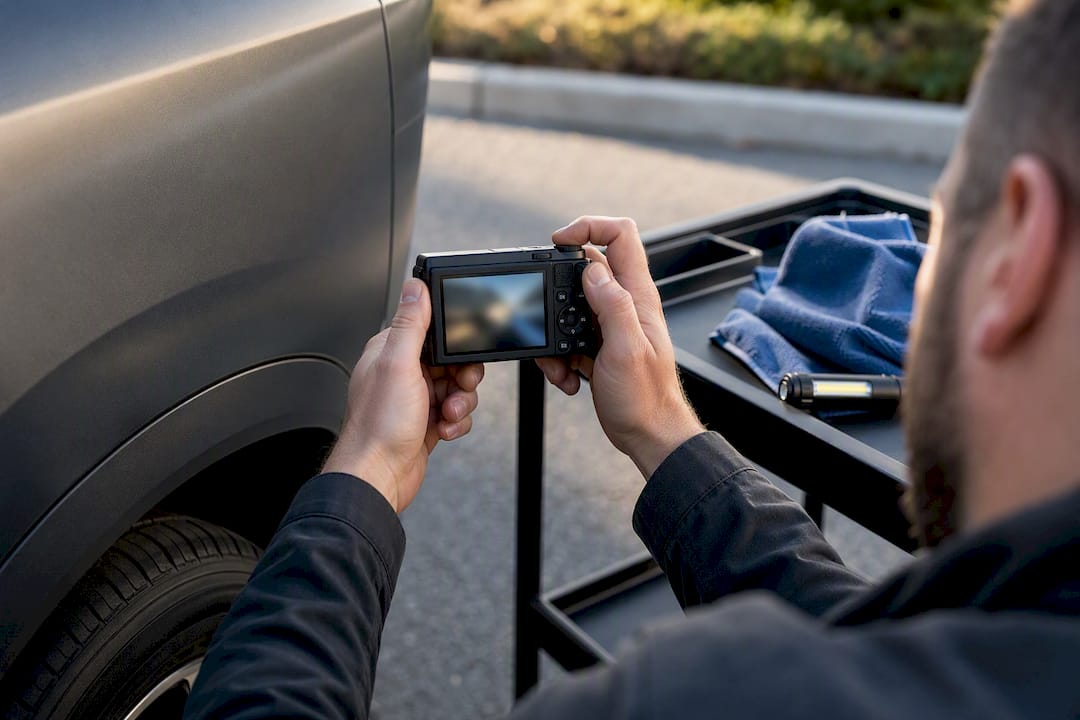
When the driver arrives, they'll note existing damage on the Bill of Lading. Compare that against your own photos and speak up immediately if something's missing from their notes. This is the moment to resolve discrepancies, not after the truck has already left with your car.
If damage appears at delivery that wasn't on the original BOL, document it immediately with photos and written notes, then contact the carrier's claims department the same day. Most carriers have a claims window measured in days, not weeks, so delay works against you. Keep your original pre-shipment photos, the signed BOL, and any delivery-day documentation together, since claims adjusters weigh consistent, timestamped evidence far more heavily than a verbal description after the fact. If the carrier's cargo insurance doesn't fully resolve the claim, your own auto insurer may cover the gap, so notify them as a backup step regardless of how the carrier claim proceeds.
Should You Let the Dealer Ship the Car or Hire Independently?
This decision usually comes down to three factors: how much the dealer's quote exceeds market rate, how much time you have, and how comfortable you are managing a few phone calls.
If the dealer's shipping quote is close to what independent quotes show for the same route, letting them handle it removes a task from your plate with little financial downside. Dealer-arranged shipping also means one point of contact if something goes wrong, since the dealership has a business relationship with the carrier it can lean on.
If the dealer's quote is significantly higher, which happens often given the typical 30 to 50% markup pattern, hiring independently usually saves real money for maybe an hour of your time spent gathering quotes and verifying credentials. This path makes the most sense if you're comfortable handling a phone call with a broker, checking a DOT number, and coordinating pickup timing yourself.
A middle path also works: ask the dealer for the pickup address and hours, decline their shipping arrangement, and book your own carrier to collect the vehicle directly from the lot. This gets you dealer convenience on the sales side while keeping shipping costs under your control.
What I Wish More Buyers Knew About Shipping a Car They Just Bought
A friend once accepted a dealer's shipping quote without asking a single question, then found out weeks later the same route would have cost several hundred dollars less booked independently. The mistake wasn't trusting the dealer. It was skipping the ten minutes it takes to compare that quote against the open market.
If you take away one thing from this guide, make it this: verify your paperwork first, collect at least two or three competing quotes, and confirm the carrier's DOT and MC status before you pay anything. Those three habits catch almost every problem before it happens. If you'd rather skip the legwork, Auto Vendors Inc's concierge assistance is available to help coordinate the details on your behalf.
— Allen
Ready to Ship Your Next Vehicle the Smart Way?
There is an option to manage your own shipping for maximum savings or to use concierge-style support for assistance with paperwork and carrier coordination. Unlike some dealers that bundle marked-up shipping fees quietly, this approach aims to clarify shipping arrangements before the car leaves Fort Lauderdale.
If you're still shopping, our Car Finder service helps you locate the specific luxury or premium vehicle you want, with personalized assistance from search through delivery. Already found your car? Reach out to request a shipping estimate or start a Car Finder inquiry, and get straight answers about paperwork, timing, and pickup logistics before you commit to anything.
Sources
- How to ship a car — Consumer Reports
- How Much Does It Cost To Ship A Car From A Dealership?
- Ship a car you just bought online — MonarchTG
FAQ
What Is the $3,000 Rule for Cars?
The "rule" generally refers to informal guidance some buyers use when comparing a dealer's shipping markup against DIY costs. If the dealer's quote significantly exceeds the independently sourced rate, it usually signals a markup worth negotiating or bypassing by booking your own carrier.
How Do I Avoid Getting Scammed When Shipping My Car?
Verify the carrier's DOT and MC numbers through the FMCSA Company Snapshot tool, get the pickup window and price in writing, and avoid any company pressuring you toward untraceable payment methods. Cross-check reviews on the Better Business Bureau and Trustpilot before paying a deposit.
How Much Does It Cost to Ship a Car Within the US?
Open carrier transport typically runs $0.60 to $1.50 per mile, with enclosed transport adding a 20 to 40% premium. Short routes land at the higher end of the per-mile range, while cross-country shipments settle near the lower end despite a larger total cost.
How Much Does It Cost to Deliver a Car 500 Miles?
A 500-mile route commonly falls in the medium-distance cost band, typically totaling somewhere between $500 and $1,200 depending on vehicle type and whether you choose open or enclosed transport. Booking a direct carrier instead of a broker-sourced load can add another 20 to 30% to that range.
Does Auto Vendors Inc Charge Extra for Shipping Coordination?
Auto Vendors Inc offers concierge-style shipping assistance, including paperwork help and pickup coordination, without promising a specific discount or guaranteed carrier rate. Current pricing details are available directly through the Auto Vendors Inc website.