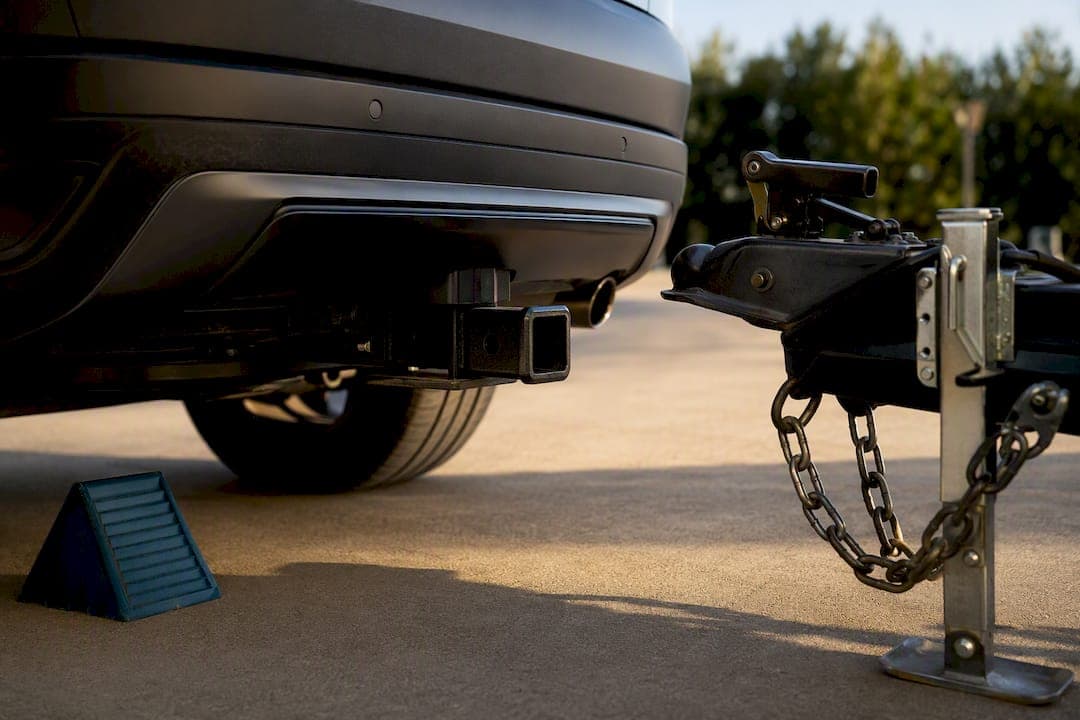
Yes, many luxury SUVs can tow up to roughly 10,000 pounds when equipped with the right engine, axle ratio, and factory tow package. That number changes fast based on trim, wheel size, and drivetrain, and it drops sharply on electric models once you factor in range. The vehicle on the showroom floor and the vehicle on the spec sheet are not always the same truck.
TL;DR:
- Choosing a luxury SUV for heavy towing requires verifying that the actual build sheet includes a factory tow package, the proper axle ratio, and a Class IV or V hitch rated for your trailer's weight.
- Max tow ratings are typically based on base configurations; additional options like larger wheels, panoramic roofs, or hybrid systems can subtract hundreds of pounds from usable payload and towing capacity.
- Prioritize the vehicle’s verified GCWR and the trailer’s loaded weight, applying the 80% rule to determine a safe and practical towing limit, rather than relying solely on advertised maximum ratings.
- Proper towing features such as factory-installed trailer brake controllers and sway control are essential for safety and stability, especially when hauling heavy or large trailers regularly.
Table of Contents
- What Is Luxury SUV Towing Capacity, and How High Does It Go?
- How Do GVWR, GCWR, and Payload Actually Work?
- What Cuts Into Your Real-World Towing Capacity?
- Which Factory Towing Features Are Worth Prioritizing?
- How Should You Shop for a Heavy-Towing Luxury SUV?
- A Dealer's Look at Verifying Tow-Ready Luxury SUVs
- Does Towing Affect Your Luxury SUV's Warranty?
- Which Aftermarket Upgrades Actually Improve Towing?
- What Legal Rules Apply When Towing a Heavy Trailer?
- An Editor's Take: Buy for the Trailer, Not the Brochure
- How Autovendorsfl Helps You Find a Tow-Ready Luxury SUV
- Where to Verify Towing Specs Before You Buy
- Sources
What Is Luxury SUV Towing Capacity, and How High Does It Go?
Luxury SUV towing capacity refers to the maximum weight a vehicle can safely pull, as certified by the manufacturer under specific configurations, which can vary significantly between trims and options.
Several full-size luxury SUVs post maximum tow ratings up to 10,300 pounds when built with the correct engine and towing package. That figure sits at the top of the market, and it is not the number you get by default. Getting there usually means selecting a specific V8 or turbocharged six, the factory tow package, and often a particular axle ratio that trades a little fuel economy for pulling strength.
It helps to think in three practical bands:
- Entry luxury towing (roughly 5,000 to 6,500 pounds): Typical of midsize luxury crossovers on unibody platforms. Fine for a small camper, a couple of ATVs, or a light utility trailer.
- Mid-range luxury towing (roughly 7,000 to 8,500 pounds): Common among larger unibody SUVs and some body-on-frame models in base trim. This band covers most travel trailers and boats under 24 feet.
- Heavy-duty luxury towing (roughly 9,000 to 10,300 pounds): Reserved for body-on-frame luxury SUVs with the strongest available engine, upgraded cooling, and a dedicated tow package. This is horse trailer and large fifth wheel territory.
The factory options that move a vehicle from one band to the next are consistent across the industry: a heavy-duty tow package, the largest engine offered on that trim, a higher final-drive axle ratio, and a Class IV or Class V hitch receiver rated to match. Skip any one of those, and the number on the window sticker will be meaningfully lower than the model's ceiling.
Before you fall in love with a listing, ask for four things: the trim's GCWR, the axle ratio, the tow package code, and the hitch class. If a seller or listing can't answer those questions, treat the advertised tow number as a best-case figure rather than a promise.
How Do GVWR, GCWR, and Payload Actually Work?
Manufacturers don't publish one towing number. They publish several, and understanding how they interact is the difference between a safe tow and an overloaded one.
- Curb weight is what the vehicle weighs empty, with a full tank of fuel and no passengers or cargo.
- GVWR (Gross Vehicle Weight Rating) is the maximum the vehicle itself can weigh once loaded with passengers, gear, and fuel. It does not include a trailer.
- Payload is GVWR minus curb weight. It's the total weight budget you have for people, cargo, and tongue weight combined.
- GCWR (Gross Combined Weight Rating) is the maximum combined weight of the loaded vehicle plus a loaded trailer. This is the number that actually governs how much trailer you can add.
- Tongue weight is the downward force the trailer's hitch places on the vehicle, typically 10% to 15% of the trailer's total loaded weight, and it counts against your payload.
Here's where buyers get tripped up. A luxury SUV rated to tow 9,000 pounds might have a GCWR of 15,500 pounds and a curb weight of 5,800 pounds. Load four passengers, luggage, and a full tank, and you might use 1,200 pounds of payload before the trailer even connects. Subtract that from the GCWR math, and your real-world safe trailer weight, including tongue weight, may land closer to 8,200 pounds than the 9,000 figure on the sticker.
Quick math example: GCWR of 15,500 lb, minus a loaded vehicle weight of 7,000 lb (curb weight plus passengers and cargo), leaves 8,500 lb available for the trailer and everything on it. That's your real ceiling for that trip, not the number on the spec sheet.
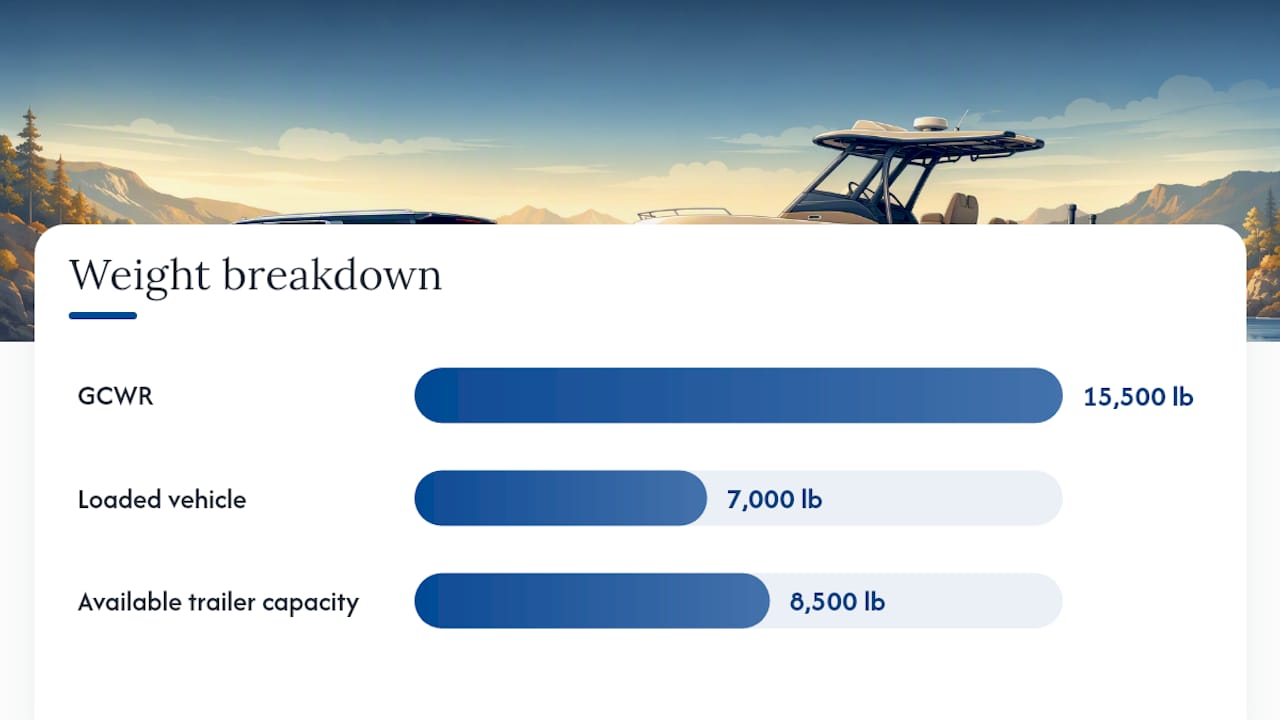
Experts consistently point to GCWR, not the advertised max tow figure alone, as the number that should drive your trailer-shopping decisions. The tow rating tells you the ceiling. GCWR tells you whether you can actually reach it once your family and gear are aboard.
Always confirm these figures against the yellow tire and loading label on the driver's door jamb and the owner's manual for that exact trim and model year. Spec sheets get updated. Individual build labels reflect what actually left the factory on that vehicle.
What Cuts Into Your Real-World Towing Capacity?
The advertised maximum tow rating almost always assumes the lightest, most basic version of a trim. Every luxury option you add subtracts from that number, because towing capacity is really just leftover payload dressed up as a marketing figure.
Wheel size is a sneaky one. Upgrading from an 18 inch wheel to a 22 inch wheel and tire package can add 40 to 60 pounds of unsprung weight per corner, and that weight comes directly out of your payload budget. Panoramic sunroofs, heavier acoustic glass, air suspension, and second-row captain's chairs all add up the same way. None of them are large individually. Stacked together on a heavily optioned luxury trim, they can shave several hundred pounds off usable towing capacity compared to the same model in a stripped-down configuration.
Plug-in hybrid variants deserve special attention. The battery pack adds several hundred pounds of curb weight that a comparable gas model doesn't carry, and that weight eats directly into payload and, by extension, your safe tongue weight and trailer allowance.
If maximum towing is the priority, here's what to avoid or question on the build sheet:
- Oversized wheel and tire packages beyond the base towing-rated size
- Air suspension systems not paired with a load-leveling tow package
- PHEV or heavy hybrid drivetrains, unless the published tow rating for that specific variant meets your needs
- Panoramic roofs and heavy audio upgrades on trims already close to their payload ceiling
Pro Tip: Ask the dealer for the vehicle's build sheet, not just the window sticker. The build sheet lists the actual factory option codes, including the tow package code and axle ratio, which tells you definitively whether that specific vehicle was built to reach its trim's maximum rating.
If you're weighing how passengers and cargo affect that same payload math day to day, our guide on installing car seats in a luxury SUV walks through how family gear stacks up against the numbers on the door label.
Which Factory Towing Features Are Worth Prioritizing?
Not every towing feature matters equally. Some are safety-critical. Others make towing more pleasant but won't stop a trailer from swaying at 65 miles per hour.
An integrated trailer brake controller sits at the top of the list. This factory-installed system syncs the trailer's electric brakes with the SUV's own braking, which shortens stopping distances and prevents the trailer from pushing the vehicle under hard braking. Trailer sway control, a specialized form of stability control, detects a fishtailing trailer and applies individual brake pressure to correct it before the driver even reacts. Both features show up consistently on the highest-rated towing SUVs, and neither is something you want to retrofit after the fact.
Camera-based trailer guidance is the feature that actually reduces stress on a daily basis. Systems that overlay a trailer's projected path on the rearview camera, or that offer a transparent trailer view, make backing a 24 foot travel trailer into a campsite dramatically less nerve wracking, especially for someone hitching up for the first time.
Beyond those, verify three things before you commit to a vehicle:
- Hitch class: A Class IV hitch typically handles up to 10,000 pounds; a Class V goes higher. Confirm the installed hitch matches or exceeds your trailer's loaded weight.
- Wiring harness: Confirm the vehicle has a 7-pin connector wired for both electric brakes and reverse lights, not just a basic 4-pin lighting plug.
- Factory tow package presence: A true factory tow package usually includes a transmission cooler and upgraded alternator, not just a hitch bolted to the frame.
If you plan to add supplemental visibility gear like extended tow mirrors, that's an area where aftermarket accessories, such as LED mirror lighting kits, can meaningfully improve nighttime confidence when hauling a wide trailer.
How Should You Shop for a Heavy-Towing Luxury SUV?
Buying for heavy towing works best as a sequence, not a checklist you tackle all at once. Start with the trailer, not the vehicle.
- Weigh your actual trailer, loaded. Not the manufacturer's dry weight. Include water, propane, gear, and whatever you'd normally pack. This is your real target number.
- Apply the 80% rule. Safety-minded buyers keep their loaded trailer weight under 80% of the vehicle's maximum tow rating, which preserves handling margin and reduces strain on the drivetrain. A trailer weighing 7,200 pounds points you toward a vehicle rated for at least 9,000 pounds, not one rated exactly at 7,200.
- Match trailer type to platform. A large fifth wheel or horse trailer belongs behind a body-on-frame SUV with the heaviest available engine. A pop-up camper or small boat is well within reach of a strong unibody luxury SUV.
- Request the build sheet or window sticker. Ask specifically for GCWR, axle ratio, tow package code, and hitch class in writing before you test drive.
- Confirm wiring and brake controller compatibility with your specific trailer's brake type, electric or electric-over-hydraulic.
- Budget for ongoing maintenance. Trailer brakes, transmission coolers, and hitch hardware all need scheduled inspection, and towing accelerates wear on brake pads and transmission fluid life.
Pro Tip: If you're cross-shopping a used luxury SUV specifically for towing, ask to see maintenance records for the transmission fluid and brake service. Heavy towing history that wasn't matched with proportional maintenance is one of the more common hidden issues on higher-mileage units.
Vehicles like the Lexus GX 460 illustrate the body-on-frame advantage well. That architecture tends to hold up better under sustained heavy loads than a unibody competitor, largely because of frame rigidity and more generous cooling capacity built around towing use.
A Dealer's Look at Verifying Tow-Ready Luxury SUVs
Every used luxury SUV that arrives with a tow package claim gets checked against its actual build sheet, not just the seller's description. That means confirming the tow package option code, testing the trailer brake controller with a functioning trailer or test box, and physically verifying the hitch class stamped on the receiver matches what the paperwork says.
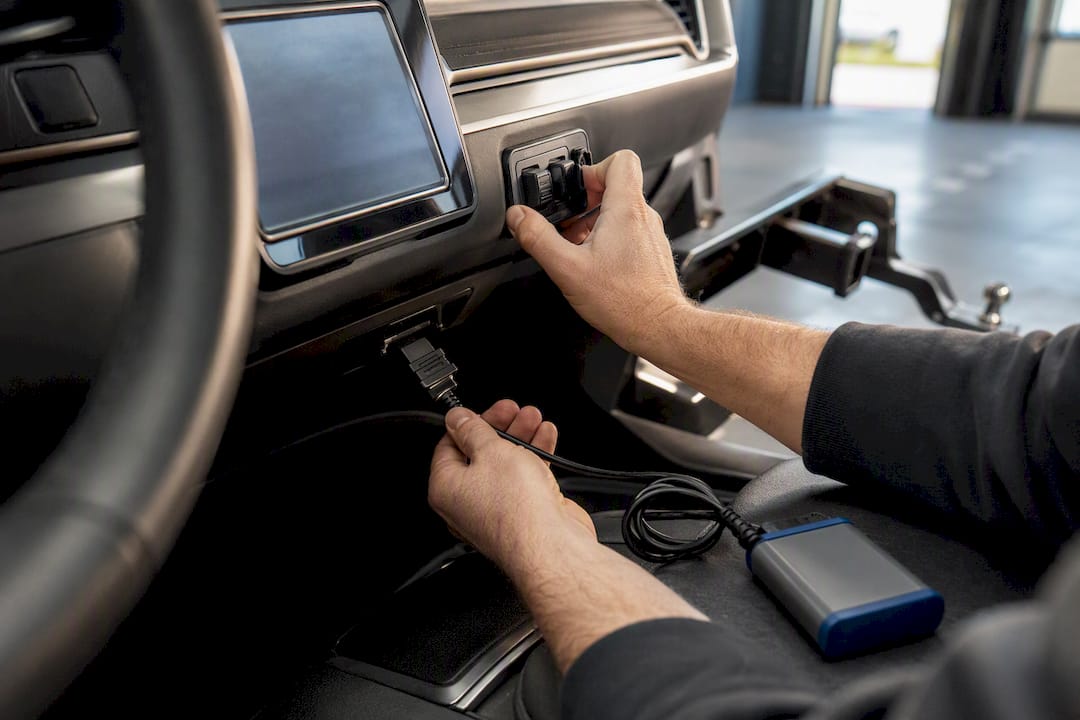
Surprises happen more often than you'd expect. A vehicle advertised with a "tow package" sometimes turns out to have only a hitch receiver bolted on aftermarket, with none of the cooling or wiring upgrades that make a factory package worth the premium. Catching that distinction before a sale closes protects a buyer from discovering it the hard way on a mountain grade with a loaded trailer.
For buyers who want a vehicle delivered genuinely tow-ready, Autovendorsfl walks through the test drive checklist with towing equipment specifically in mind, and applies the same inspection standards used across pre-owned luxury inventory to hitch wiring, brake controllers, and drivetrain components before a vehicle reaches the lot.
— Allen
Does Towing Affect Your Luxury SUV's Warranty?
Towing itself does not void a manufacturer's warranty, as long as you stay within the vehicle's rated limits and follow the maintenance schedule. Warranties are voided by damage traceable to misuse or neglect, not by the act of towing a properly matched trailer.
Where buyers get burned is exceeding GCWR or ignoring the accelerated maintenance intervals that towing requires. Transmission fluid, differential fluid, and brake components wear faster under sustained trailer loads. Most manufacturers publish a separate, shorter service interval specifically for vehicles used for frequent towing, and skipping that schedule while regularly hauling heavy loads gives a dealer's service department grounds to deny a related warranty claim.
Extended warranties and certified pre-owned coverage plans sometimes carry towing-specific exclusions or require proof of maintenance if a drivetrain claim arises on a vehicle with a visible hitch installed. Before buying a used unit you intend to tow with regularly, ask specifically whether the CPO warranty covers towing-related drivetrain wear, and get that answer in writing rather than relying on a verbal assurance from the sales floor.
Keep every service receipt if you tow often. A documented maintenance history is your best evidence that a future transmission or cooling system issue is normal wear, not the result of exceeding the vehicle's tow rating.
Which Aftermarket Upgrades Actually Improve Towing?
A handful of aftermarket additions genuinely improve safety and capability on a luxury SUV that already has a solid factory tow package. Others add convenience without moving the needle on capacity.
A transmission cooler upgrade is worth considering if you tow near the vehicle's rated maximum regularly, since it extends fluid life under sustained heat load. Aftermarket weight-distributing hitches help manage tongue weight on heavier trailers by transferring some of that load to the front axle, improving handling and headlight aim. Extended, height-adjustable tow mirrors solve the visibility problem that comes with a wide trailer blocking your factory mirrors, and something like an LED-equipped mirror light kit adds real nighttime visibility for backing and lane changes.
A tow dolly is a smart addition for buyers who occasionally need to haul a second vehicle rather than a traditional trailer, and options like heavy-duty tow dollies are rated for specific capacity ranges worth matching against your tow vehicle's payload.
What you should not do is install an aftermarket hitch rated above the vehicle's factory GCWR and treat that number as your new ceiling. The hitch hardware is only one link in the chain. The frame, cooling system, and drivetrain were engineered around the factory rating, and no aftermarket part changes those underlying limits.
What Legal Rules Apply When Towing a Heavy Trailer?
Trailer laws vary by state, but a few requirements show up almost universally and are worth confirming before you hitch up. Trailers above a certain weight threshold, commonly around 3,000 pounds depending on the state, require their own functioning brake system, and that system must be wired to activate with the tow vehicle's brakes through a breakaway switch.
Lighting requirements are non-negotiable everywhere: functioning brake lights, turn signals, and running lights on the trailer itself, wired through a compatible connector on the SUV. A mismatched wiring harness, common when pairing an older trailer with a newer luxury SUV, is one of the most frequent roadside citation triggers for otherwise careful tow vehicle owners.
Some states require a special license endorsement once combined vehicle and trailer weight crosses a specific threshold, typically in the 26,000 pound range, which is well above most personal luxury SUV and trailer combinations but worth checking if you're hauling a large fifth wheel or livestock trailer. Insurance is another area to verify directly with your provider. Many standard auto policies extend liability coverage to a towed trailer automatically, but coverage for the trailer's own contents or structure often requires a separate rider.
Because these rules differ by state and by trailer weight class, confirm current requirements with your state's motor vehicle department before a long tow, rather than relying on what applied in a previous state of residence.
An Editor's Take: Buy for the Trailer, Not the Brochure
The conventional advice tells buyers to shop for the highest tow rating available and call it done. That advice skips the part that actually matters: the number on the brochure assumes a base configuration that almost nobody drives off the lot with.
The judgment this research supports is straightforward. Prioritize GCWR and the actual build sheet over the headline tow figure, because that figure is a ceiling reached only under specific, often expensive, factory configurations. A heavily optioned luxury trim with panoramic glass and 22 inch wheels may carry the same advertised tow rating as a stripped model, yet tow noticeably less once real payload is subtracted.
What buyers should do differently is work backward from their trailer's loaded weight, apply the 80% buffer, and let that number dictate which trim and options they actually need. Most people don't need the segment-topping 10,300 pound rating. They need an honest, verified 8,500 pounds that holds up with four passengers and a full tank of gas, every time they hitch up.
— Allen
How Autovendorsfl Helps You Find a Tow-Ready Luxury SUV
Some dealers offer verification of build sheets, tow package codes, axle ratios, and hitch classes on luxury SUVs to ensure accurate towing capability representations.
That verification matters because two vehicles with the same trim name can carry very different real-world towing numbers depending on what left the factory. Some personalized vehicle-finding services start with your trailer's loaded weight and work backward to match you with a configuration that meets it, not just one that advertises a headline number. Pre-delivery checks can confirm the trailer brake controller functions, the wiring harness matches your trailer's connector, and the hitch class is rated for your load.
If you're ready to stop cross-referencing spec sheets on your own, reach out to the Autovendorsfl team to request a towing spec verification on any vehicle in inventory or start a consultation built around your specific trailer.
Where to Verify Towing Specs Before You Buy
Cross-check any advertised tow rating using more than one source before you commit to a vehicle.
- Cars.com's ranking of top towing SUVs for a broad view of current maximum ratings by model
- TowingSpecs' trim-by-trim database for year-specific and trim-specific figures, including PHEV variants
- Premier Fleet Repair's trailer maintenance checklist for ongoing brake and hitch upkeep once you're towing regularly
None of these replace the owner's manual and door-jamb label for your exact vehicle. Treat published rankings as a starting point for comparison, and confirm the final number with your dealer and that vehicle's specific documentation before you hitch up anything heavy.
Sources
- These 10 SUVs Have the Highest Towing Capacity
- QZ: Best SUVs for towing (2026 analysis)
- Road & Track: SUVs with the best towing capacity (2026)