Quattro is typically a mechanically proactive, rear-biased all-wheel-drive architecture that appeals to performance-minded drivers, while 4Matic favors invisible, electronics-led traction and a comfort-first driving experience. Both systems handle wet and snowy roads with confidence. The real distinction shows up in how each one reacts to a hard corner or a wet on-ramp, and which one feels natural depends entirely on what kind of driver you are.
TL;DR:
- Quattro's mechanical design with Torsen differentials provides an instant, proactive torque transfer that maintains a rear-biased handling feel preferred by enthusiasts.
- 4Matic relies on electronic sensors and brake interventions, offering predictable, smooth traction suitable for drivers prioritizing comfort over aggressive cornering.
- Confirming the specific AWD variant, such as Haldex, Torsen, or 4Matic+, is essential when buying used to understand the system's performance, maintenance needs, and resale value.
- Long-term reliability favors Audi's quattro models, which generally have fewer issues over ownership compared to Mercedes' 4Matic systems, especially beyond warranty.
- Tire quality, especially winter tires, significantly influences snow and rain traction, making the choice of drive system less critical than proper rubber.
Table of Contents
- The mechanical and electronic architectures behind quattro and 4Matic
- Why "quattro" and "4Matic" cover more than one system
- How each system actually feels on the road
- What reliability data and recall history tell buyers
- A practical framework for choosing between the two
- How Auto Vendors Inc verifies AWD systems on used luxury cars
- Choosing between mechanical feel and electronic confidence
- Let Auto Vendors Inc help you find the right AWD-equipped car
- Sources
- FAQ
The mechanical and electronic architectures behind quattro and 4Matic
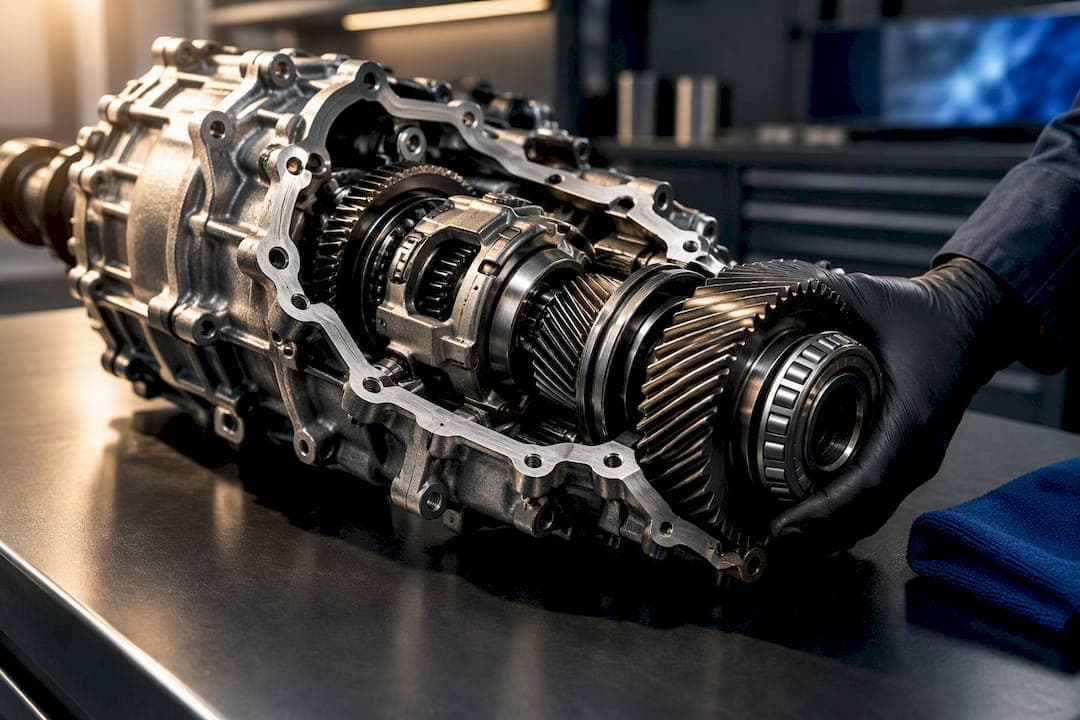
The core difference between these two systems starts with how they decide where to send torque. Audi's traditional quattro relies on a Torsen mechanical center differential that senses wheel slip through gear mechanics rather than sensors, reacting instantly and without any electronic delay. Because the differential is purely mechanical, torque transfer happens the moment a wheel loses grip, which is part of why enthusiasts describe quattro as feeling proactive rather than reactive.

Mercedes built its 4Matic system around a different philosophy. Standard 4Matic uses an Electronic Traction System that applies braking force to a slipping wheel and redirects torque through the open differentials, a strategy that depends on sensors and software rather than gear-driven mechanics. AMG Performance 4Matic+ raises the sophistication considerably, using an active clutching system with torque vectoring that can shift power between axles in fractions of a second, closing much of the gap with mechanical systems in dynamic driving.
Audi's own technical materials describe a similar range of hardware depending on platform and model year. Some quattro variants still use Torsen differentials, while others use multi-plate clutch systems, including Haldex-style couplings on transverse-platform cars.
- Longitudinal quattro typically starts at a 40:60 front-to-rear torque split, with the ability to send up to 70% to the front or 85% to the rear depending on conditions, according to Audi's own quattro technical materials.
- Electric quattro, as found in the e-tron S, uses three separate electric motors to distribute torque digitally rather than through a mechanical differential, according to the same Audi technical release.
- Standard 4Matic leans on brake-based intervention, while AMG 4Matic+ uses an active clutch pack for genuine torque vectoring.
That electric quattro example matters because it shows both brands are converging on motor-based torque control as electrification spreads, even though the badge names stay the same.
Why "quattro" and "4Matic" cover more than one system
Neither name refers to a single piece of hardware. Both are umbrella terms that Audi and Mercedes apply across very different platforms, and the system under a compact sedan often has little in common with the one under a flagship coupe. A transverse-engine compact car generally uses a Haldex-style clutch-based system because there's no room for a longitudinal driveshaft, while a longitudinal platform like the A6 or A8 typically retains the mechanical Torsen setup that made quattro's reputation.
Buyers researching a used vehicle need to confirm exactly which variant sits under the hood, since the practical differences are significant:
- Quattro with Torsen center differential: found mostly on longitudinal platforms, delivers the rear-biased feel enthusiasts associate with the badge.
- Quattro ultra: a lighter, on-demand system that runs in front-wheel-drive mode until slip is detected, prioritizing efficiency over constant rear engagement.
- Haldex-based quattro: used on transverse-platform models like the A3, reacts a beat slower than the mechanical setup but suits smaller, lighter cars well.
- 4Matic (standard): brake-based torque management aimed at predictable, low-drama traction in daily driving.
- 4Matic+ (AMG): active-clutch, torque-vectoring system built for performance models and genuinely capable of shifting the car's handling balance.
Verifying which variant a specific used car has isn't guesswork. The build sticker in the door jamb, the window sticker if it's still on file, and the VIN decode through the manufacturer or a dealer service department will confirm the exact drivetrain code. Anyone shopping a used Audi or Mercedes should ask for the specific AWD variant in writing and, where possible, have a technician confirm it against service records before signing anything.
How each system actually feels on the road
Numbers on a spec sheet don't tell you what it's like to drive the car, and this is where the philosophical split becomes obvious. A rear-biased mechanical quattro system tends to let the rear axle do more of the work under hard acceleration out of a corner, which gives the car a rotational, almost rear-wheel-drive character that enthusiasts specifically seek out. Because the Torsen differential reacts mechanically, there's no perceptible lag between input and response, so the car feels connected rather than managed.
Standard 4Matic behaves differently by design. Since it leans on brake intervention rather than mechanical torque bias, the system smooths out imperfections before the driver notices them, trading some directness for predictability. That's a deliberate choice for a brand whose core customer often wants a car that quietly does its job rather than one that talks back through the wheel.
AMG 4Matic+ closes much of that gap. According to Mercedes-AMG's own testing materials, the active clutch system can send nearly all torque rearward for genuinely playful, drift-capable behavior in certain AMG models, something that would have been unthinkable under the old brake-based-only approach.
Pro Tip: No AWD system, mechanical or electronic, compensates for worn or wrong-season tires; a quality winter tire on a base 4Matic will outperform a AMG 4Matic+ car wearing summer rubber in the snow.
What reliability data and recall history tell buyers
Driving feel matters, but ownership reality matters just as much for anyone planning to keep a car past the warranty period. Comparative coverage citing Consumer Reports and J.D. Power found Audi ranked 13th in long-term reliability while Mercedes ranked 19th, and the 2025 J.D. Power Initial Quality Study reported 269 problems per 100 vehicles for Audi versus 210 for Mercedes. That split suggests Audi may hold up better over a longer ownership horizon, while Mercedes shows a short-term quality edge that could favor buyers who is a lease or trade in early.
Audi's Q8 has its own documented reliability and recall history worth checking model by model, according to Consumer Reports' Q8 reliability page, which is a useful reminder that reliability varies by nameplate even within the same brand and drivetrain family.
AWD-specific maintenance items are worth budgeting for regardless of badge:
- Center differential fluid changes on schedule, since neglected fluid accelerates wear on Torsen units.
- Multi-plate clutch pack inspection on Haldex-style and 4Matic+ systems, since these components wear faster under aggressive driving.
- Driveshaft and CV joint checks for noise or play, a common failure point on higher-mileage AWD cars.
- Front and rear differential seals, which can weep fluid and lead to low-level leaks that go unnoticed for months.
Whether AWD came standard or as an option on a given trim also affects resale. Quattro has historically been standard across most of Audi's lineup, while 4Matic has often been optional on entry Mercedes models, according to the same comparative coverage. A car where AWD was optional tends to hold a stronger resale premium than a base front-drive equivalent, simply because fewer of them exist on the used market.
A practical framework for choosing between the two
Start with an honest answer to one question: do you want the car to feel like it's working with you, or do you want it to disappear into the background? That single distinction points most buyers toward quattro or 4Matic before any spec sheet gets involved. Climate matters too, but both systems handle snow and rain competently enough that weather alone rarely decides the choice. Budget and ownership horizon usually settle the rest, given Audi's stronger long-term reliability standing against Mercedes' short-term quality edge noted above.
A short test-drive script helps confirm the feeling actually matches the spec sheet:
- Accelerate hard out of a slow corner and note whether the rear feels engaged or the front simply pulls.
- Ask the service department for the drivetrain's build code and cross-reference it against the VIN decode.
- Request maintenance records specific to the differential, clutch pack, or driveshaft joints.
- Listen for whining or clunking from underneath during low-speed turns, a common sign of worn differential components.
- Check tire wear patterns for uneven scrubbing, which can point to alignment or drivetrain binding issues.
Watch for fluid leaks around the differential housing and repeated recall visits tied to the drivetrain, both of which are worth walking away from on a used car. For deeper guidance on what to check during a test drive, our test-drive checklist for confirming a car's systems covers more ground beyond the drivetrain itself.
| Priority | Better fit |
|---|---|
| Engaged, rear-biased handling | Quattro (Torsen-based) |
| Quiet, predictable traction | 4Matic (standard) |
| Performance with active torque vectoring | AMG 4Matic+ |
| Long-term reliability track record | Quattro-equipped Audi models |
| Winter traction on any budget | Quality winter tires, either brand |
How Auto Vendors Inc verifies AWD systems on used luxury cars
Buying a used AWD-equipped luxury car means trusting that the drivetrain was inspected properly, not just that it exists on the spec sheet. A dealership built around a curated selection of luxury vehicles applies a hands-on inspection approach before any car reaches the lot. Technicians check for differential noise, fluid condition, clutch pack wear on Haldex and 4Matic+ variants, and driveshaft joint play, then cross-reference the findings against available service records. This process reflects a broader focus on craftsmanship and personalized service, aimed at helping buyers avoid the drivetrain surprises that plague many used AWD purchases.
Choosing between mechanical feel and electronic confidence
Buyers who crave a car that reacts before they consciously ask it to should lean toward mechanical quattro. Buyers who want the AWD system to work invisibly, without asking anything of the driver, will likely prefer 4Matic. Ownership horizon matters here too: someone keeping a car for a decade should weigh Audi's stronger long-term reliability signal, while someone leasing or trading in every few years has more room to choose on feel alone. Electrification is already blurring these lines, since motor-based torque vectoring in e-tron and AMG hybrid models behaves nothing like the mechanical or brake-based systems of a decade ago, so always confirm the exact drivetrain variant rather than assuming the badge tells the whole story.
— Allen
Let Auto Vendors Inc help you find the right AWD-equipped car
Knowing the difference between quattro and 4Matic is only useful once you're looking at a specific car with a specific history, and that's where a curated dealership earns its keep. Auto Vendors Inc built its Car Finder service around exactly this kind of search, matching buyers to vehicles that fit their driving priorities rather than pushing whatever sits on the lot.
- Use Car Finder to describe the driving feel and drivetrain variant you want, and let the team track it down.
- Browse current Audi models or Mercedes-Benz inventory to compare quattro and 4Matic options side by side.
- Ask about a pre-purchase inspection focused on the AWD components covered above before you commit to a used luxury car.
Start your search on the Car Finder page and let Auto Vendors Inc handle the verification work.
Sources
FAQ
Which Audi models should buyers approach with caution?
Reliability varies by model and year rather than across the whole lineup, so check a specific nameplate's history before buying. Consumer Reports' Q8 reliability page documents recalls and reliability issues worth reviewing model by model, and any used Audi should come with a recall and service history check regardless of trim.
Is quattro worth paying extra for?
For drivers who want a rear-biased, mechanically responsive feel and plan to keep the car long term, quattro's engagement and Audi's stronger long-term reliability standing make a strong case. Buyers who mainly want predictable winter traction without a performance focus may find standard 4Matic delivers similarly confident real-world performance for less.
Which brand is generally more reliable, Mercedes or Audi?
Comparative data cited in automotive coverage ranked Audi 13th and Mercedes 19th in Consumer Reports' long-term reliability standings, while the J.D. Power Initial Quality Study reported 269 problems per 100 vehicles for Audi against 210 for Mercedes. That means Audi tends to hold up better over years of ownership, while Mercedes shows stronger initial quality, which can matter more for short-term owners.
Is 4Matic better than a traditional 4x4 system?
4Matic and traditional 4x4 solve different problems: 4Matic is built for on-road traction and handling in a car, while 4x4 systems on trucks and SUVs are engineered for low-range gearing and off-road durability. Neither is strictly better since they're designed for different vehicle types and use cases.
Do both quattro and 4Matic work well in snow?
Yes, both systems are competent in snow and rain, and the difference between them shows up more in handling feel than in raw winter capability, according to comparative automotive coverage. Tire choice remains the biggest factor in winter performance for either system, so a proper winter tire matters more than which AWD badge is on the trunk.