
Dealer-arranged financing, also called indirect financing, is when the dealership acts as a middleman between you and a lender, submitting your credit application and presenting you with a loan offer, often at a rate higher than what the lender originally quoted. The bottom-line advice: get preapproved from a bank or credit union before you walk in, then let the dealer try to beat it. Bankrate reports that dealer financing accounts for a large share of U.S. vehicle sales, making it the most common way Americans close a car purchase. Your first move is to request preapproval or ask the dealer to disclose the buy rate on any offer they present.
Key Takeaways
Dealer-arranged financing is the most common way U.S. buyers close a vehicle purchase, but the contract rate almost always includes a dealer markup above the lender's buy rate, making preapproval your most effective negotiating tool.
| Point | Details |
|---|---|
| Get preapproval first | A bank or credit union preapproval sets your APR floor and gives you real leverage in the finance office. |
| Buy rate vs. contract rate | A 3-point markup on a $35,000 loan can cost roughly $2,820 more over 60 months. |
| Manufacturer promos require comparison | Subvented rates often require forfeiting a cash rebate; compare total cost before choosing. |
| Spot delivery carries risk | Never surrender your trade-in title until financing is confirmed in writing by the lender. |
| Autovendorsfl supports transparent financing | The dealership walks buyers through lender offers and buy-rate comparisons before signing. |
Table of Contents
- How does dealer-arranged financing actually work?
- When dealer financing helps you and when it costs you
- What is the buy rate, and how does dealer markup affect your total cost?
- Manufacturer subvented rates vs. cash rebates: which is actually better?
- How to prepare before you go and what to say in the finance office
- What to check in the contract and how to handle add-ons
- What is spot delivery, and what are your rights if financing falls through?
- What happens after the dealer assigns your contract?
- Red flags that should make you walk away
- How Autovendorsfl approaches dealer-arranged financing
- The part of the conventional advice that most buyers miss
- Autovendorsfl can help you close the right deal
- Sources
How does dealer-arranged financing actually work?
Three parties are involved: you (the borrower), the dealership (the intermediary), and the lender (a bank, credit union, or captive finance arm). The dealer does not lend its own money. Instead, it shops your application to multiple lenders, receives competing buy rates, selects one, marks it up, and presents you with the final contract rate.
Here is the typical timeline:
- You complete a credit application at the dealership.
- The dealer submits it to several lenders simultaneously.
- Lenders respond with buy rates, the lowest APR they will accept for your credit profile.
- The dealer adds a markup (dealer reserve) and presents you with the contract rate.
- You sign a retail installment contract, which the dealer then assigns to the winning lender.
- Within a few days to a few weeks, the lender sends a welcome packet with your account number and first-payment instructions.
As LegalClarity explains, the dealer's role ends once the contract is assigned. From that point, your relationship is with the lender for all payments and servicing.
Pro Tip: Arriving with a preapproval letter from your bank or credit union turns you into the equivalent of a cash buyer. The dealer must beat your offer or lose the financing profit entirely, which is real leverage.
When dealer financing helps you and when it costs you
The convenience is genuine. One visit, one application, and you can drive home the same day. That matters, especially when a manufacturer's captive lender is offering a subvented promotional rate that no outside bank can match.
Where dealer financing wins:
- Manufacturer promotional rates (0% or 1.9% APR) on qualifying models
- Buyers with thin credit who benefit from the dealer's lender relationships
- Single-visit closing when time is limited
Where direct lending wins:
- Strong credit scores (typically 700+) where outside lenders compete aggressively
- When you have a preapproval already below the dealer's contract rate
- When the dealer's markup adds a full percentage point or more to your APR
The CFPB notes that dealer-offered APRs usually include a markup that compensates the dealer, meaning the rate you see is rarely the lender's best offer. Investopedia confirms that the finance and insurance (F&I) department is a significant profit center, with markups and add-on product sales both contributing to dealer revenue.
What is the buy rate, and how does dealer markup affect your total cost?
The buy rate is the APR a lender offers the dealer for your loan. The contract rate is what you actually pay. The difference is dealer reserve, and it goes directly to the dealership.
A typical markup runs up to a few percentage points above the buy rate, though lenders set their own caps on how much a dealer can add. That cap is not disclosed on your contract.
Here is a worked example on a $35,000 loan over 60 months:
A markup by several percentage points on a $35,000 loan can add substantially to the total interest paid over the life of the loan. That is money that goes to the dealer, not toward your vehicle.
Pro Tip: Ask the finance manager directly: "What is the buy rate on this loan?" Dealers are not legally required to disclose it, but many will negotiate when you ask. Treat APR as a separate negotiation from the vehicle price.
Manufacturer subvented rates vs. cash rebates: which is actually better?
Captive lenders like Ford Motor Credit or BMW Financial Services sometimes offer subvented rates, meaning the manufacturer subsidizes the interest to make the deal attractive.
Many manufacturers require you to choose between the promotional rate and a cash rebate.
Questions to ask before accepting a subvented rate:
- Does accepting this rate require me to forfeit a cash rebate?
- What credit tier qualifies for this rate, and where does my score fall?
- Is this rate available on the specific trim and model year I want?
- What is the maximum loan term for this promotional rate?
- Can I refinance later without a prepayment penalty?
For a deeper look at how promotional financing terms work and where the traps hide, the deferred interest financing guide from Autovendorsfl is worth reading before you commit.
How to prepare before you go and what to say in the finance office
Preparation is the single biggest factor separating buyers who get a fair deal from those who overpay. The FTC recommends treating the finance office as a separate negotiation from the vehicle price, and keeping copies of every document you sign.
Pre-visit checklist:
- Pull your credit reports from AnnualCreditReport.com and dispute any errors.
- Get preapproval from at least one bank or credit union. U.S. Bank's preapproval program is valid only at participating dealers, so verify participation before you go.
- Calculate your target APR and maximum monthly payment based on total loan cost, not just the monthly figure.
- Bring your preapproval letter and any competing offers in writing.
In the finance office, use these specific phrases:
- "I have a preapproval at [X]% APR. Can you beat that?"
- "What is the buy rate on this loan?"
- "I'd like to see the out-the-door price in writing before we discuss financing."
- "I want to negotiate the vehicle price and the financing separately."
- "Please itemize every fee on the contract before I sign."
For a full step-by-step buying process, the car buying checklist from Autovendorsfl covers the pre-visit through signing in practical detail.
What to check in the contract and how to handle add-ons
Before signing, confirm every line item in the retail installment contract:
- APR matches what was verbally agreed
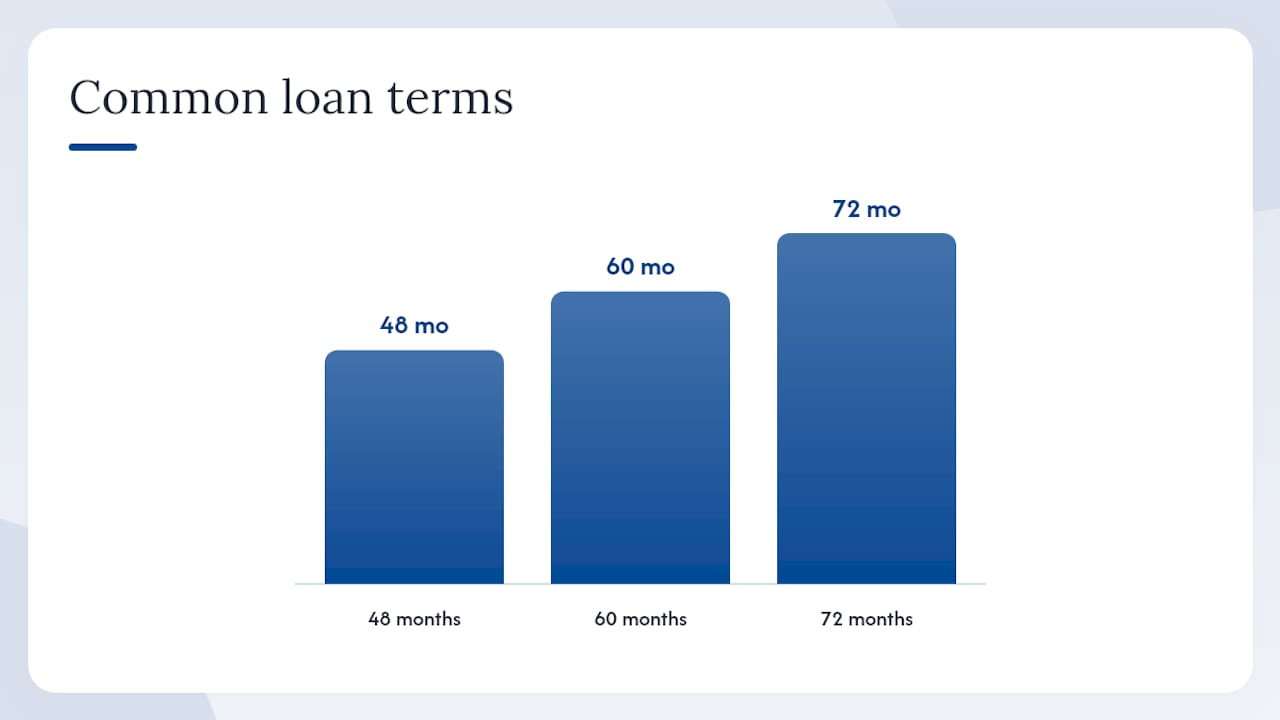
- Loan term is correct (48, 60, or 72 months, as negotiated)
- Amount financed does not include add-ons you did not agree to
- Out-the-door price matches the sales agreement
- Doc fee is itemized and within your state's typical range
Doc fees vary widely by state. Some states cap them; others do not. In Florida, for example, doc fees are not capped by law, so they can range considerably. Always ask for the fee in writing before signing.
Common add-ons the F&I office will offer include GAP insurance, extended warranties, and payment protection plans. GAP coverage can be worth buying if you are financing more than 80% of the vehicle's value, but your auto insurer or credit union often offers it for less than the dealer charges.
Rolling negative equity from a trade-in into the new loan is one of the most expensive mistakes buyers make. It inflates the amount financed, increases total interest paid, and compounds if you trade in again before the loan is paid off.
What is spot delivery, and what are your rights if financing falls through?
Spot delivery means the dealer lets you drive the vehicle home before financing is fully finalized. It is common because lenders are not always available to confirm funding in real time. The risk is that the dealer can call you back days later and say the financing terms have changed.
If that happens, take these steps in order:
- Demand written confirmation of the new terms before returning to the dealership.
- Compare the new terms to the original contract. You are not legally obligated to accept worse terms.
- If you want to unwind the deal, insist on the return of your down payment and trade-in vehicle in the same condition.
- Contact the lender directly to confirm whether the original contract was actually rejected.
- File a complaint with your state attorney general's office and the FTC if the dealer refuses to honor the original terms or return your property.
Pro Tip: Never hand over your trade-in title until financing is confirmed in writing. Once the title transfers, recovering the vehicle becomes significantly harder.
What happens after the dealer assigns your contract?
Once you sign and the dealer assigns the contract to the lender, the dealer's involvement ends. Expect a welcome packet from the lender within 7–14 days containing your account number, payment portal access, and first-payment due date.
Key steps after signing:
- Keep a complete copy of the signed retail installment contract.
- Note the first payment due date, which is typically 30–45 days after signing.
- If you do not receive lender paperwork within two weeks, call the lender directly using the contact information on your contract.
- Confirm the lien is recorded on your title. The lender holds the title until the loan is paid in full.
- At payoff, request a lien release letter and verify the title is updated with your state's DMV.
Red flags that should make you walk away
Some financing situations signal a bad deal or predatory terms. Watch for these:
- The dealer refuses to put the APR in writing before you sign.
- Contract terms change after you have already signed (yo-yo financing).
- The finance manager insists add-ons are required to qualify for the loan.
- The contract includes a vehicle tracking or disabling clause without clear disclosure. Legal research on dealer practices notes these clauses appear most often in subprime and buy-here-pay-here agreements.
- The dealer pressures you to decide on financing the same day without time to review.
If something goes wrong, escalate in this order: dealer general manager, the lender's customer service line, your state attorney general's consumer protection division, and the FTC at ReportFraud.ftc.gov.
How Autovendorsfl approaches dealer-arranged financing
At Autovendorsfl, the finance conversation starts with transparency. The team walks buyers through the difference between the buy rate and the contract rate, explains which lender offers are in play, and helps buyers compare their preapproval against what the dealership can source.
Practical guidance the Autovendorsfl team consistently shares with buyers:
- Bring your preapproval. It sets the floor and keeps the conversation honest.
- Ask for every fee itemized before the contract is printed.
- Treat GAP and warranty add-ons as separate decisions with time to compare.
- Never roll negative equity without understanding the full cost over the loan term.
Pro Tip: Autovendorsfl's dealer incentives resource explains how manufacturer programs and captive lender offers work for luxury models specifically, which is worth reviewing if you are considering a premium vehicle.
The dealership's approach reflects a straightforward belief: a buyer who understands the financing structure makes a better decision and builds a longer relationship with the dealership.
The part of the conventional advice that most buyers miss
Most financing guides tell you to get preapproved and compare APRs. That is correct, but incomplete. The advice stops before the most consequential moment: the finance office itself, where the real negotiation happens and where most buyers give back everything they saved on the vehicle price.
The conventional framing treats preapproval as the finish line. It is actually the starting point. A preapproval letter changes the dealer's incentive structure, but only if you use it actively. Buyers who hand over the letter and then accept the first counter-offer without pushing for buy-rate disclosure are leaving money on the table.
The other underrated move is separating the vehicle price negotiation from the financing negotiation completely. Dealers are trained to blend the two, because a monthly payment focus obscures the total cost. Insist on agreeing on the out-the-door price first, in writing, before the finance office conversation begins. That single discipline prevents most of the common traps.
Autovendorsfl can help you close the right deal
Buying a vehicle through Autovendorsfl means you get a dealership that treats financing as part of the buyer's education, not a profit extraction exercise. The team helps you compare lender offers, understand what the buy rate means for your specific loan, and decide whether a manufacturer promotional rate or outside preapproval serves you better.
For buyers looking at trucks and pickups, the current inventory at Autovendorsfl includes vehicles across price points with financing options available in-house. The team is available in person at the Fort Lauderdale location to walk through your preapproval, compare it against available lender offers, and help you close without surprises. Contact Autovendorsfl directly to schedule a financing consultation before your next purchase.
Sources
- What is the difference between dealer-arranged and bank financing? | Consumer Financial Protection Bureau
- Financing or Leasing a Car | Consumer Advice (FTC)
- Dealer Financing: How It Works & Who It's Best For | Bankrate
- Indirect Auto Financing: How Dealer-Arranged Loans Work - LegalClarity
- Dealer financing | Investopedia
This article is general information, not a substitute for advice from a qualified financial advisor. Consult a qualified financial professional about your own circumstances before acting on anything here.