
Rare luxury model inventory is defined as a category of exclusive vehicles produced in strictly limited numbers, often sold through private channels before the public ever sees them. Collectors who know how to find rare luxury model inventory gain access to cars like the Ferrari LaFerrari Aperta or the Koenigsegg Regera, vehicles that pre-sell before official unveiling and never appear on standard dealer lots. The difference between finding one of these cars and missing it entirely comes down to three things: where you look, how fast you move, and how well you verify what you find.
Where to find rare luxury model inventory
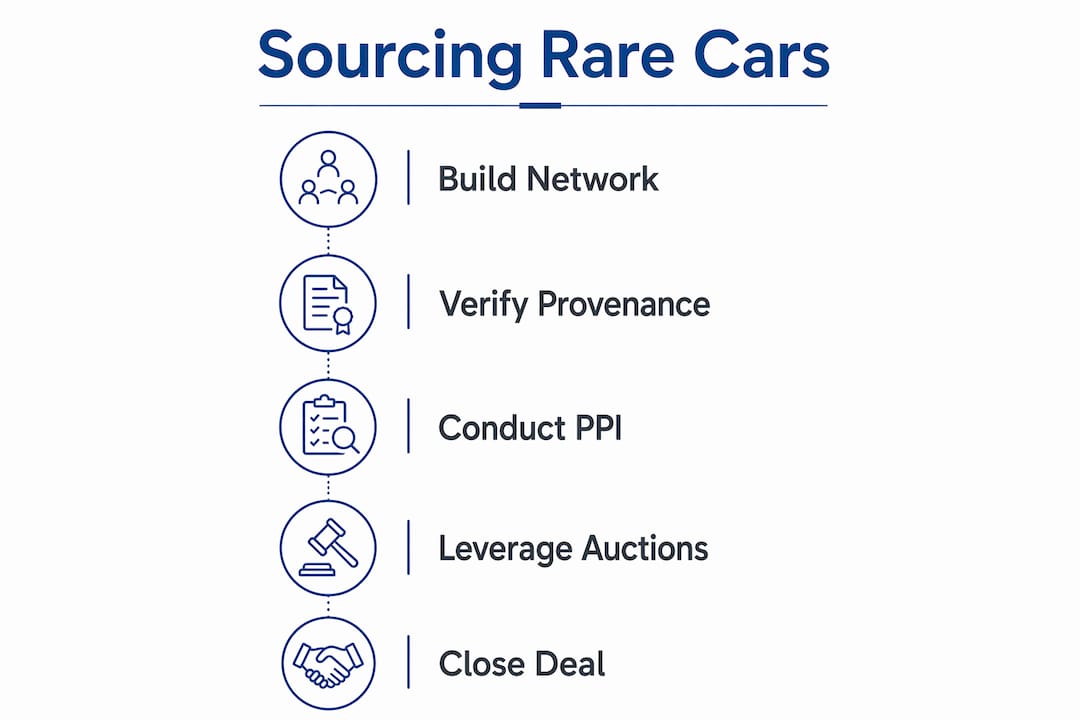
The most productive sourcing channels for rare luxury models exist well outside public marketplaces like Cars.com or AutoTrader. Serious collectors work through a layered network of auction houses, private brokers, and curated dealer networks that most buyers never access.
Auction houses with off-market access
Sotheby's and RM Sotheby's are the two most recognized names in high-end vehicle auctions. Both catalog rare luxury models with detailed provenance, production run numbers, and ownership histories that public listings rarely provide. The Koenigsegg Regera listed through Sotheby's, for example, cites under 20 miles driven and confirms 85 units built. That level of documentation de-risks the purchase before you ever inspect the car in person.
The catch is timing. Top-tier limited cars have very short public listing windows. Many are sold through private previews to registered buyers before the auction catalog goes live. Getting on those preview lists requires a relationship with the auction house, not just a bidder registration.
Specialized dealer networks and personal brokers
Specialized dealers who focus exclusively on luxury and collector vehicles maintain their own off-market pipelines. These dealers often know about cars before the owner has decided to sell. A personal car buying service takes this further by acting as your dedicated agent, sourcing vehicles that match your exact specification and negotiating on your behalf. You can read more about how buying services work for luxury collectors specifically.

Private collector networks are equally valuable. Many of the rarest cars change hands between collectors without ever reaching a public listing. Entry into these networks typically requires introductions through trusted dealers or auction specialists.
Online platforms built for exclusive vehicle listings
Several platforms cater specifically to high-end model inventory. Bring a Trailer, duPont Registry, and JamesEdition aggregate exclusive vehicle listings with more detail than general marketplaces. These platforms attract serious sellers who provide full documentation, making them more reliable than general classifieds. If you want to see how curated dealership selection differs from browsing these platforms, this breakdown explains the distinction well.
Key sourcing channels at a glance:
- Auction houses: Sotheby's, RM Sotheby's, Bonhams. Best for documented provenance and quantified rarity.
- Specialized dealers: Off-market pipelines and pre-sale access to rare luxury models.
- Personal brokers: Dedicated sourcing agents who work your spec list actively.
- Private collector networks: Word-of-mouth transactions between vetted collectors.
- Curated online platforms: Bring a Trailer, duPont Registry, JamesEdition for documented exclusive listings.
What provenance and condition factors must serious buyers verify?
Provenance is the documented history of a vehicle's identity, ownership, and condition from the factory to the present day. For rare luxury models, provenance is not a formality. It is the primary factor that separates a genuine find from an expensive mistake.
The identity lattice
Collectors use what experts call the identity lattice approach to verify authenticity. This means cross-checking the VIN against the chassis stamp, engine number, gearbox number, and registration documents. Every number must align. A discrepancy in any one of these points is a red flag that warrants walking away or demanding a full independent investigation.
A single provenance document is never enough. Experts warn that stamping inconsistencies and rivet placement are common signs of forged or tampered documentation. You need the build sheet, factory order confirmation, service history, and all prior ownership records cross-referenced against each other.
What to look for in condition verification
Rare inventory buyers prioritize listings that include production counts, mileage from new, and detailed ownership history. RM Sotheby's auction catalogs for models like the 2011 Porsche 911 GT3 RS 4.0 specify odometer readings and engine matching status as the principal authenticity cues. Matching numbers means the engine, gearbox, and body all carry the original factory stamps. A car with mismatched numbers is worth significantly less and harder to resell.
A pre-owned luxury car inspection checklist covers the full scope of what a qualified inspector should document before you commit.
Provenance red flags to watch for:
- VIN or chassis stamp discrepancies between physical car and documents
- Missing build sheet or factory order confirmation for a claimed limited edition
- Inconsistent service history with unexplained gaps in mileage or dates
- Mismatched engine or gearbox numbers relative to the original factory spec
- Ownership gaps where the car's location or custodian is unaccounted for
Pro Tip: Request a full photographic record of all physical stamps before scheduling an in-person inspection. If the seller cannot provide clear photos of the VIN plate, chassis stamp, and engine number, treat that as a disqualifying sign.
Pre-purchase inspections for rare vehicles
A proper pre-purchase inspection, known in the collector world as a PPI, goes far beyond a visual check. Porsche PPI services include module-level diagnostics, compression and leak-down tests, fluid assessments, and extensive photographic documentation. That documentation gives you leverage to negotiate price adjustments or confirm the car is exactly as represented. For remote purchases, a high-quality PPI with detailed photos and a written report is the closest substitute for seeing the car yourself. Low mileage verification is a core part of this process for collector-grade vehicles.
Tools, alerts, and strategies to gain a sourcing advantage
Speed is the defining factor in the rare luxury car market. The best cars disappear before most buyers know they exist. The collectors who consistently win are the ones with systems in place before a car surfaces.
-
Set platform alerts immediately. Sotheby's, RM Sotheby's, Bring a Trailer, and JamesEdition all offer email or notification alerts for new listings. Configure alerts by make, model, and production year so you receive notification the moment a matching car appears.
-
Build broker relationships before you need them. A broker who knows your spec list can contact you before a car reaches any public channel. The best opportunities for rare vehicles exist pre-public unveiling. A trusted broker relationship is the only reliable way to access that window.
-
Use curated dealership selection services. Dealers who specialize in rare luxury models maintain their own watch lists and can match incoming inventory to registered buyers. This is a faster path than monitoring platforms manually.
-
Prepare financing before you search. Rare cars do not wait for loan approvals. Have a pre-approved credit line or liquid funds confirmed before you begin active sourcing. Sellers of rare vehicles expect fast closing timelines.
-
Track auction results to understand market timing. Reviewing recent hammer prices for comparable models tells you when values are rising and when to act. Price volatility in the rare car market is real. Buying at the wrong moment in a cycle can cost you significantly on resale.
Pro Tip: Keep a one-page spec sheet ready that lists your target make, model, year range, color, production number preference, and maximum budget. Share it with every broker and dealer contact you build. It removes ambiguity and makes you a serious buyer in their eyes.
Common challenges when sourcing rare luxury models
Every serious collector encounters friction in this market. Knowing the obstacles in advance lets you prepare rather than react.
-
Inventory scarcity and competition. The rarest cars attract multiple qualified buyers simultaneously. Hesitation is the most common reason collectors miss cars they wanted. Having a clear decision framework before a car surfaces removes the delay.
-
Misleading or incomplete provenance. Not every seller is forthcoming about a car's full history. Gaps in documentation are sometimes innocent and sometimes deliberate. Treat any incomplete provenance as a negotiation point or a reason to walk away.
-
Remote inspection limitations. Buying a car you cannot see in person is a real risk. A qualified PPI from a specialist inspection service mitigates this, but it does not eliminate it. Budget for travel to inspect the most significant purchases yourself.
-
Price volatility and market timing. Rare car values move with collector sentiment, auction results, and broader economic conditions. A model that peaks at one auction may sell for less six months later. Tracking recent comparable sales gives you a realistic anchor for negotiation.
-
Knowing when to walk away. Emotional attachment to a specific car is the collector's greatest vulnerability. Set your maximum price and provenance requirements before you enter any negotiation. If either condition is not met, walking away protects both your capital and your credibility as a buyer.
Key takeaways
Finding rare luxury model inventory requires off-market access, rigorous provenance verification, and financial readiness to act before public listings appear.
| Point | Details |
|---|---|
| Use off-market channels | Auction houses like Sotheby's and RM Sotheby's, brokers, and private networks reach cars before public listings. |
| Verify the identity lattice | Cross-check VIN, chassis, engine, and gearbox numbers against all ownership documents. |
| Commission a full PPI | Module-level diagnostics and photographic reports confirm condition and support price negotiation. |
| Build broker relationships early | Trusted brokers contact you before a car surfaces publicly, giving you first access. |
| Prepare financing in advance | Rare car sellers expect fast closing. Pre-approved funds remove the most common reason buyers lose deals. |
What 15 years in this market actually taught me
The collectors who consistently find the best cars are not the ones with the biggest budgets. They are the ones with the most organized relationships and the most disciplined process. I have watched buyers with deep pockets lose cars to buyers with half the money simply because the second buyer had a broker call and a wire transfer ready to go.
The provenance question is where I see the most costly mistakes. Buyers get excited about a car's rarity and rush the documentation review. A single document that looks right is not enough. The identity lattice check, cross-referencing every physical stamp against every paper record, is the step that separates a confident purchase from an expensive regret. Experts who specialize in collector vehicle provenance checks exist for exactly this reason, and their fee is trivial relative to the purchase price of any serious rare vehicle.
My honest view is that the PPI is underused. Buyers treat it as optional when the car looks clean in photos. It is not optional. A module-level diagnostic on a rare Porsche or Ferrari has caught hidden faults that would have cost far more to fix than the inspection itself. The photographic documentation from a thorough PPI also gives you real leverage in price negotiation, which often recovers the inspection cost immediately.
The market for rare luxury models rewards preparation and punishes hesitation. Build your network before you need it. Know your spec and your budget before a car appears. And never let excitement override the documentation process.
— Allen
Autovendorsfl: your partner for rare luxury vehicles
Collectors who want expert guidance on locating rare luxury vehicles have a direct resource in Autovendorsfl, based in Fort Lauderdale. The team at Autovendorsfl specializes in curating high-quality luxury inventory and provides personalized vehicle-finding assistance for buyers with specific requirements.
Whether you are searching for a specific make, a limited production model, or need help navigating the provenance verification process, Autovendorsfl brings hands-on expertise and established market relationships to every search. Browse current luxury vehicles for sale or contact the team directly to discuss your sourcing criteria. For collectors who value both the car and the confidence of knowing exactly what they are buying, Autovendorsfl delivers both.
FAQ
What does "rare luxury model inventory" mean?
Rare luxury model inventory refers to vehicles produced in strictly limited numbers, often sold through private or auction channels before reaching public listings. These cars are defined by documented scarcity, exclusive specifications, and verified provenance.
How do I access off-market rare luxury vehicles?
Register with major auction houses like Sotheby's and RM Sotheby's, build relationships with specialized brokers, and join curated dealer networks. The best rare vehicles sell before public listing, so broker relationships are the most reliable access point.
What is the identity lattice in provenance verification?
The identity lattice is a method of verifying a rare vehicle's authenticity by cross-checking the VIN, chassis stamp, engine number, and gearbox number against all ownership documents. Any discrepancy across these points is a red flag requiring investigation.
Why is a pre-purchase inspection necessary for rare cars?
A qualified PPI includes module-level diagnostics, compression tests, and photographic documentation that reveal hidden faults not visible in photos. It also provides documented evidence to support price negotiation.
How do I avoid overpaying for a rare luxury model?
Track recent auction results for comparable models to establish realistic market values. Set a firm maximum price before entering any negotiation, and treat incomplete provenance as grounds for a price reduction or withdrawal from the deal.