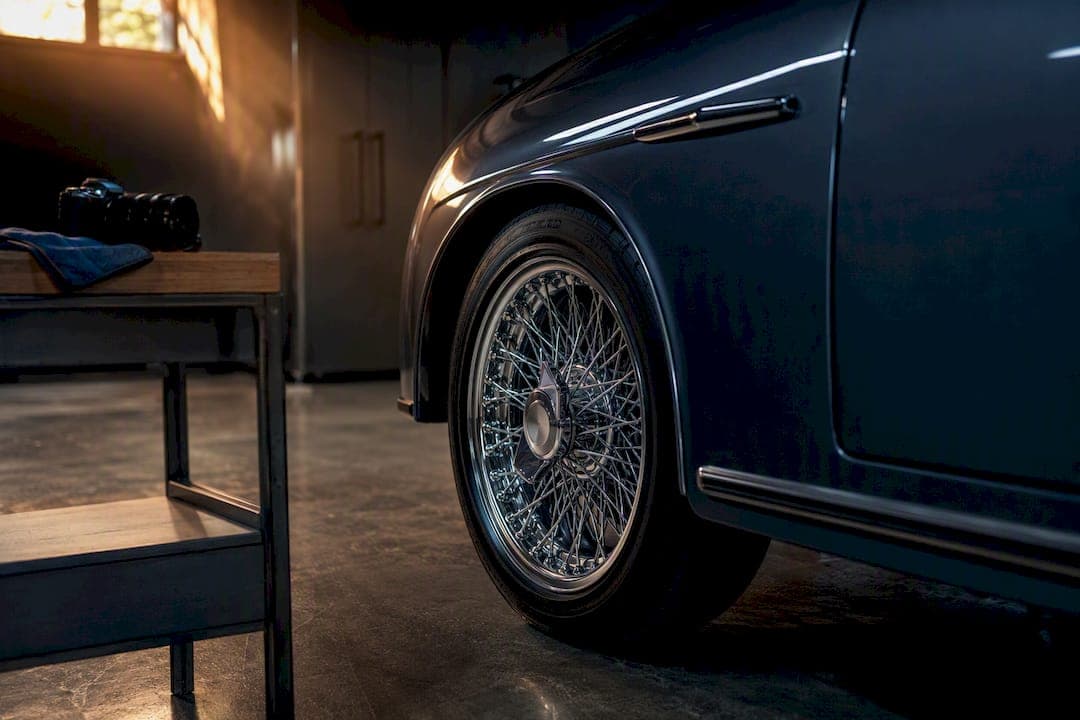
Full-coverage luxury car insurance typically costs a moderate to high amount monthly, or roughly a few thousand dollars annually, depending on the model and driver profile. The main reason luxury premiums outpace standard vehicles is simple economics: higher replacement value, pricier OEM parts, and specialized repair labor push insurer risk exposure up, not just the badge on the hood.
TL;DR:
- Luxury car insurance costs around $209 per month on average, which is about 40% higher than standard vehicle premiums.
- Replacement costs, expensive OEM parts, and limited repair networks significantly drive up premiums for luxury models.
- Model choice greatly influences rates, with compact SUVs like the BMW X3 and Lexus RX being among the cheapest to insure.
- Coverages such as gap insurance, OEM parts endorsements, and higher liability limits are crucial for protecting high-value vehicles.
- Installing anti-theft devices and maintaining low annual mileage can help reduce premium costs on luxury cars.
Table of Contents
- How Much Is Luxury Car Insurance on Average?
- Why Do Luxury Cars Cost More to Insure?
- Which Luxury Models Are Cheapest and Most Expensive to Insure?
- What Coverage Should You Carry on a Luxury Car?
- What Factors Actually Move Your Premium?
- How Can You Lower Your Luxury Car Insurance Bill?
- How Do You Compare Luxury Car Insurance Quotes?
- What Are Your Options for Insuring a Collector or Classic Luxury Car?
- How Do Insurers Handle Depreciation on Luxury Vehicles?
- What Luxury-Specific Discounts Can You Actually Get?
- What Liability Minimums Apply to Luxury Car Owners?
- Buying Smart Starts Before You Insure
- Get Insurance-Ready Before You Buy Your Next Luxury Car
- Sources
How Much Is Luxury Car Insurance on Average?
The numbers back up what most shoppers suspect: luxury badges carry a real premium beyond the sticker price. MoneyGeek's analysis puts the average full-coverage cost for luxury vehicles at $209 a month, or about $2,508 a year, roughly 40% above the national average for mainstream cars. MarketWatch's data lands in the same neighborhood, showing luxury full-coverage rates running about 39% higher than standard vehicles.
"Full coverage" here means comprehensive and collision layered on top of state-required liability, which is the baseline most lenders and leases demand anyway. The spread between models is wide. That gap alone shows why generic averages only get you so far.
These figures reflect industry-wide averages, not a quote for any single driver. Your actual number depends heavily on where you live, your driving record, and which insurer you approach first.
Why Do Luxury Cars Cost More to Insure?
Insurers price risk, not prestige. A luxury vehicle's premium reflects what it would cost the company if that car were totaled, stolen, or wrecked next month, and every factor below pushes that number higher.
- Replacement value and total-loss exposure: a $70,000 SUV costs insurers far more to pay out than a $30,000 sedan, even with identical accident rates.
- Expensive OEM parts and specialized labor: MarketWatch's repair-cost comparisons show a BMW X5 body panel or sensor array costs multiples of what a Toyota Camry equivalent runs, and technicians certified to install them charge accordingly.
- Restricted repair networks: brands like Tesla and several European manufacturers limit certified body shops, which can extend repair timelines and rental car costs, both of which insurers price in.
- Theft frequency and ADAS complexity: models with high theft rates or dense driver-assist sensor packages cost more to repair or replace after even minor incidents.
Pro Tip: Before you buy, ask your prospective insurer whether your target model requires a certified repair shop in your area. A car with excellent reliability can still carry a high premium if the nearest certified body shop is two hours away.
Which Luxury Models Are Cheapest and Most Expensive to Insure?
Model choice moves your premium more than almost any other single decision besides your driving record. Here's how the range typically breaks down, based on aggregated industry data.
- BMW X3 ($164/month, per MoneyGeek): moderate MSRP, wide dealer network, and mainstream parts availability keep this compact luxury SUV near the bottom of the luxury cost curve.
- Lexus RX and Acura MDX: both benefit from Toyota and Honda-adjacent parts networks and strong reliability scores, which keeps repair costs, and premiums, more contained than European rivals.
- Tesla Model Y: pricing sits in the middle, but Tesla's factory-controlled repair network can create wide regional variation.
- Mercedes-Benz S-Class and Cadillac Escalade: high MSRP, complex electronics, and costly OEM parts push these into the upper tier.
- BMW X7 ($321/month): the priciest example in MoneyGeek's data, driven by size, replacement cost, and repair complexity.
- Ultra-luxury outliers like the Maserati Quattroporte: The Zebra's research flags these among the most expensive vehicles to insure in the country, with carrier price spreads that can reach thousands of dollars a year for the identical model.
Rankings shift by ZIP code and insurer, so treat this order as a starting point, not gospel. Get quotes before you assume any model is automatically cheap or expensive.
What Coverage Should You Carry on a Luxury Car?
Most national carriers don't sell a separate "luxury policy." Instead, as Liberty Mutual explains, they layer endorsements onto a standard auto policy to match your car's actual exposure. Knowing which ones to ask for matters more than the base policy name.
- Comprehensive and collision: nearly mandatory once your car is worth more than a few thousand dollars, and required by almost every lienholder.
- New car replacement: pays for a brand-new equivalent model instead of depreciated value if your car is totaled in the first year or two.
- Gap insurance: covers the difference between what you owe and what the car is worth, critical for financed or leased luxury vehicles that depreciate fast.
- Agreed or stated value: locks in a pre-negotiated payout instead of leaving depreciation up to an adjuster, useful for limited-production or appreciating models.
- OEM parts endorsement: guarantees manufacturer parts in a repair instead of aftermarket substitutes, which matters more on precision-engineered luxury vehicles.
- Higher liability limits: protects your net worth if you're at fault in a serious accident, something most luxury owners have more of to lose.
Lenders on financed or leased vehicles typically require full coverage plus gap insurance as a condition of the loan, so read your finance agreement closely before you shop.
What Factors Actually Move Your Premium?
Insurers weigh dozens of inputs, but they fall into four practical buckets you can actually think through before you buy or renew.
- Driver factors: age, driving record, claims history, and, in states that allow it, credit-based insurance scores all shift your rate significantly.
- Usage factors: annual mileage, who's listed as the primary driver, and your garaging ZIP code all factor into risk models, since urban ZIP codes with higher theft or accident density cost more.
- Vehicle factors: make, model, theft statistics, and repair network access, exactly the drivers covered above, all layer directly into base rates.
- Policy choices: your deductible, coverage limits, whether you bundle with home or umbrella policies, and certified-shop requirements all move the final number up or down.
Experian's marketplace data shows just how much state and regulatory differences alone can swing full-coverage averages, which means the exact same luxury car can cost meaningfully more to insure in one state than another. Business use versus personal use also matters: a luxury vehicle used for client meetings or rideshare work typically requires a commercial or business-use endorsement, since personal policies often exclude claims tied to income-generating trips.
How Can You Lower Your Luxury Car Insurance Bill?
You can't change your car's MSRP, but you have more control over the final premium than most buyers realize. Start with the highest-impact levers first.
- Get model-specific quotes from at least three insurers. Rank order varies by model, so the carrier that's cheapest for a Cadillac Escalade may not be cheapest for a Tesla Model Y.
- Bundle your auto policy with home or umbrella coverage. Bundling is one of the most consistently cited ways to reduce premiums without dropping protection.
- Raise your deductible if you have the cash cushion to cover it. Moving from a $500 to a $1,000 deductible often produces a noticeable monthly discount.
- Enroll in a telematics or usage-based program if your insurer offers one and your driving habits are genuinely low-risk.
- Install an approved anti-theft or tracking device. A system like the S5 Plus ULTRA tracker and immobilizer can qualify certain models for theft-deterrent discounts, particularly on brands with elevated theft rates.
- Limit young or inexperienced drivers on the policy, since adding a teen driver to a high-value vehicle can spike your premium disproportionately.
Pro Tip: If your luxury car is a limited-production model or an appreciating classic, ask specifically about agreed-value policies before you accept a standard quote. Standard depreciation schedules can badly undervalue a car that's actually gaining value.
How Do You Compare Luxury Car Insurance Quotes?
Getting comparable quotes takes a bit of prep work, but it saves you from comparing apples to oranges across carriers.
- Gather your details first: VIN, annual mileage, financing or lease status, and any installed anti-theft or safety equipment.
- Request identical coverage limits and deductibles from every insurer so the dollar figures you get back actually mean something side by side.
- Check for OEM-parts clauses and certified-shop requirements buried in the fine print, since these change your real-world claims experience even when premiums look similar.
- Ask your agent directly: Which endorsements do you recommend for this specific model? How do you handle a total-loss claim on a leased vehicle? What discounts apply beyond the standard multi-policy and safe-driver options?
A 15-minute call answering these questions upfront can save you from a coverage gap discovered only after an accident.
What Are Your Options for Insuring a Collector or Classic Luxury Car?
Standard personal auto policies often undervalue classic and collector luxury vehicles, since they're built around depreciation curves that don't apply to appreciating assets. That's where specialty insurers step in with a different underwriting model entirely.
Agreed-value or stated-value policies, typically available once a vehicle's worth clears roughly $75,000, guarantee a pre-negotiated payout in a total loss instead of leaving the number to a claims adjuster's depreciation math. Specialty exotic-car brokers also apply usage-based limits, often capping annual mileage in exchange for lower rates, on the assumption that a collector vehicle sees weekend drives rather than daily commutes.
Underwriting for these policies weighs different inputs than a standard policy. Garaging conditions matter, since a climate-controlled garage lowers perceived risk. Driver experience with high-performance vehicles carries real weight, and insurers may ask about your history with manual transmissions, track days, or prior ownership of comparable models. Documentation matters too. Photos, appraisals, and maintenance records all support a stronger agreed-value case.
If you're eyeing a classic Mercedes-Benz or a limited-run luxury coupe as an investment as much as a driver, a standard policy is usually the wrong tool. Ask specifically for agreed-value coverage and expect the underwriting process to take longer than a routine quote, since the insurer is essentially appraising an asset, not just insuring a commuter car.
How Do Insurers Handle Depreciation on Luxury Vehicles?
Depreciation math is where luxury car owners get the most unpleasant surprises after a total loss, and it's worth understanding before you sign a policy, not after a claim.
Standard policies pay actual cash value, meaning the car's market value at the moment of loss, after depreciation. Luxury vehicles depreciate fast in the first two to three years, so a car you financed at full price could be worth thousands less by the time it's totaled, leaving you to cover the difference out of pocket unless you added gap insurance.
Agreed value works differently. You and the insurer negotiate a fixed payout amount when you write the policy, and that number holds regardless of what the market does afterward. This matters most for limited-production models, modified vehicles, or classics where you expect the car to hold or gain value rather than lose it.
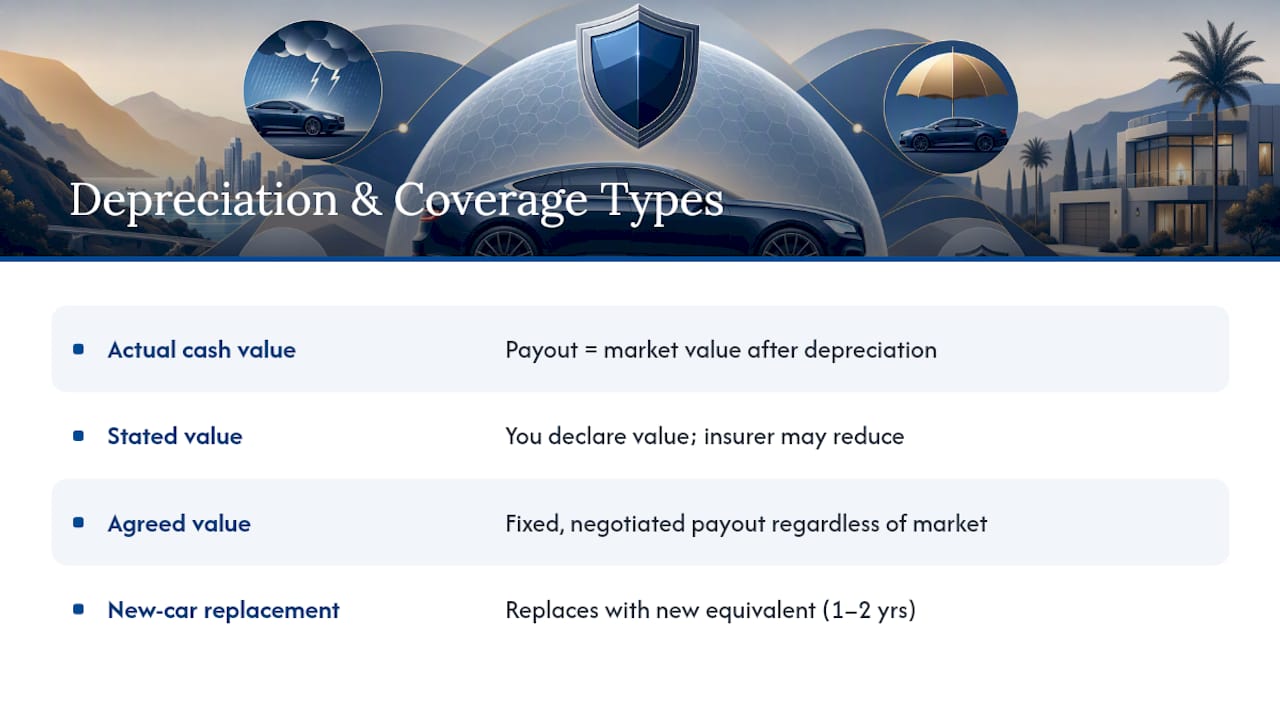
Stated value sits in between: you declare a value, but the insurer can still argue for a lower payout at claim time if they believe the market has shifted. It's cheaper than agreed value but carries more risk of a dispute.
For a newer luxury lease or finance purchase, new car replacement coverage solves a similar problem from a different angle: instead of negotiating a fixed number upfront, it simply replaces a totaled car with a brand-new equivalent for a set period, typically the first one to two years of ownership.
What Luxury-Specific Discounts Can You Actually Get?
Beyond the standard safe-driver and multi-policy discounts every insurer advertises, several savings opportunities apply specifically to higher-value vehicles.
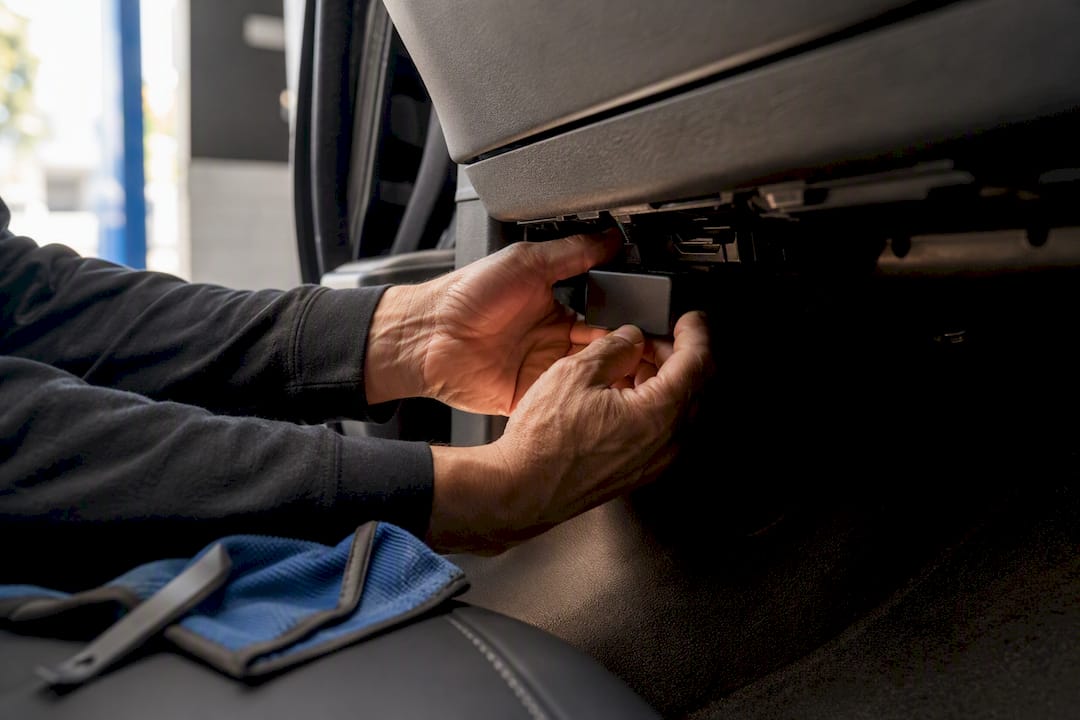
Anti-theft and tracking-device discounts tend to be more generous on luxury models, since insurers have real loss data showing which models get stolen most often. A verified GPS tracker or immobilizer system can shave a meaningful percentage off comprehensive premiums on models with elevated theft rates.
Low-mileage discounts carry outsized value for luxury owners because many luxury vehicles serve as a second or weekend car rather than a daily driver. If you're putting fewer than 7,500 miles a year on the odometer, say so, since most insurers have a specific low-mileage tier that standard quotes don't automatically apply.
Garaging discounts reward keeping the car in an enclosed garage overnight rather than on the street, a factor insurers weight more heavily for theft-prone models. Advanced safety and driver-assist package discounts also apply on newer models equipped with automatic emergency braking, lane-keep assist, and adaptive cruise control, since these systems measurably reduce claim frequency.
Finally, loyalty and long-tenure discounts compound over time. Luxury buyers who stay with one carrier across multiple vehicle purchases often unlock tiered discounts unavailable to new customers, another reason it pays to ask your agent directly what you might be missing rather than assuming your quote already reflects every available break.
What Liability Minimums Apply to Luxury Car Owners?
Every state sets its own minimum liability requirements, and those minimums apply to your luxury vehicle exactly the same as any other car on the road. The catch is that minimums were never designed with a six-figure vehicle, or the lawsuit exposure of a driver who owns one, in mind.
State-required minimums typically cover bodily injury per person, bodily injury per accident, and property damage, but the actual dollar figures vary widely by state, and some states use different limit structures entirely. Experian's state-by-state data shows how much these regulatory differences alone shift full-coverage costs, since states with higher mandated minimums or no-fault requirements tend to carry higher base premiums across the board.
For luxury car owners specifically, state minimums are usually inadequate protection, not because the law treats you differently, but because your net worth and the cost of the vehicles involved in a serious accident both tend to be higher. Most agents recommend liability limits well above your state's floor, often paired with a personal umbrella policy, once your assets exceed what a minimum policy would cover in a lawsuit. Check your state's specific requirements before you assume a national average applies to you, since limit structures and required coverages differ enough that a policy compliant in one state can fall short in another.
Buying Smart Starts Before You Insure
The insurance conversation should start at the dealership, not after you've already signed. Choosing a trim with fewer aftermarket modifications, documented service history, and factory-installed theft deterrents gives you a stronger position when you request quotes, since insurers price uncertainty as much as risk. A vehicle with clean, verifiable documentation is simply easier and often cheaper to insure than one with unknown modification history.
Buyers who work with a dealer offering personalized vehicle-finding assistance and thorough pre-purchase inspection documentation tend to walk into insurance conversations with fewer unknowns and, often, fewer surprises on their first quote.
— Allen
Get Insurance-Ready Before You Buy Your Next Luxury Car
Shopping for insurance quotes is only half the equation. What you buy, and how well it's documented, shapes every quote you'll ever get on that car. Autovendorsfl gives Fort Lauderdale buyers something most listings don't: verified condition reports and personalized vehicle-finding help that puts real documentation in your hands before you ever call an insurer.
That paperwork trail, service records, inspection reports, confirmed trim details, is exactly what agents ask for when pricing a policy, and walking in prepared can mean a faster, cleaner quote instead of guesswork on both ends. Whether you're eyeing a Cadillac or comparing SUV options like the Lexus GX 460, Autovendorsfl's team can help you weigh how trim level and options affect your future premium before you sign anything. Browse current inventory at Autovendorsfl and ask about vehicle history documentation on any model you're considering.
This article is general information, not a substitute for advice from a qualified financial advisor. Consult a qualified financial professional about your own circumstances before acting on anything here.
Sources
- Best Cheap Car Insurance for Luxury Vehicles (2026)
- Luxury Car Insurance Rates: Cost Guide
- Insuring your high-end or luxury car
- Average cost of car insurance (Experian analysis)
- Most expensive cars to insure (The Zebra)