When you can find one, a manufacturer certified pre-owned (CPO) program is the strongest choice, since it backs the car with factory support and a real dealer network. When CPO isn't available on your model, an exclusionary third-party service contract that names electronics, suspension, and hybrid or EV systems as covered items is the next-best move, but only after you check the provider's claim record. Either way, run the same checklist: deductible, exclusions, repair network, transferability, and the provider's financial stability.
TL;DR:
- Choosing a manufacturer certified pre-owned program ensures factory-backed repairs with broader coverage and roadside assistance, but it comes with a higher upfront cost.
- Extended warranties should cover key systems like air suspension, turbochargers, electronics, and hybrid components, as most plans limit coverage to the powertrain or basic parts.
- Coverage quality varies greatly between named-component and exclusionary plans, and verification of provider reputation is crucial before purchasing third-party contracts.
- Self-insuring can be cost-effective for owners who plan long-term use, have reliable models, and maintain discipline in saving for potential repairs.
- Carefully reviewing claim procedures, maintenance requirements, and transferability rules prevents costly surprises during warranty claims.
Table of Contents
- Types of Used Luxury Car Warranties You'll Actually Encounter
- The Systems a Real Luxury Warranty Has to Cover
- CPO vs. Extended Warranty vs. Self-Insuring: Which Wins?
- How to Evaluate a Warranty Offer Before You Sign
- What a Used Luxury Warranty Actually Costs
- How Claims and Repairs Actually Play Out
- How Auto Vendors Inc Handles Warranties for Buyers
- The One Rule Worth Remembering
- Find Your Next Luxury Car with Warranty Support Built In
- Where to Verify the Details Yourself
- Sources
Types of Used Luxury Car Warranties You'll Actually Encounter
Every used luxury car comes with some combination of four warranty types, and mixing them up is the fastest way to overpay or get surprised at a repair shop.
Factory remaining warranty is whatever's left of the original manufacturer coverage. It's tied to the vehicle's in-service date, not the date you buy it, so a car sold new three years ago with a four-year/50,000-mile warranty has roughly one year left, assuming mileage hasn't run out first. Always ask the seller or dealer for the original in-service date rather than trusting the sale date on a listing.
Certified pre-owned (CPO) programs sit on top of that factory warranty. Manufacturers inspect the car against a detailed checklist, then extend coverage, often to around seven years and 100,000 miles from the original in-service date, according to Consumer Reports. CPO cars typically carry a premium of 2% to 5% over comparable non-certified used cars, and eligibility usually caps out around 6 to 10 years of age and 80,000 to 100,000 miles. Only a manufacturer's franchised dealer can sell an authentic CPO vehicle for that brand, which is why Edmunds treats CPO as the gold standard when it's on the table.
Dealer limited or "as-is" warranties are a different animal entirely, and they're where a lot of buyers get burned. These are short-term promises, sometimes 30 to 90 days or a set number of miles, offered by an independent lot rather than the manufacturer. Read the fine print: many exclude the exact systems most likely to fail on a luxury car.
Third-party extended service contracts fill the gap when factory and CPO coverage run out. They come in two structures:
- Named-component contracts list exactly what's covered, and anything not on the list is excluded by default.
- Exclusionary contracts cover everything except what's specifically excluded, which tends to protect you better on complex vehicles.
Third-party contracts also involve waiting periods, an inspection before the policy activates, and rules about whether coverage transfers if you sell the car.
The Systems a Real Luxury Warranty Has to Cover
A warranty that only protects the engine and transmission is a warranty built for a Camry, not a car with air suspension and a dozen control modules. Luxury vehicles concentrate their most expensive failures outside the traditional powertrain, so the coverage checklist has to expand accordingly.
Here's the priority order for what to verify before you sign anything:
- Powertrain core — engine, transmission, driveline, and differential. This is baseline coverage on nearly every plan, but "powertrain-only" contracts stop here, which is the problem.
- Air suspension and adaptive dampers — common on German and British luxury sedans and SUVs, and a compressor or strut failure can run well into four figures.
- Turbochargers and forced-induction components — standard on most modern luxury engines, and a turbo replacement is rarely cheap.
- Climate and seat systems — multi-zone climate control, heated and cooled seats, and massage functions all rely on modules that named-component plans frequently skip.
- Infotainment, telematics, and electronics — the large center screens, driver assistance software, and connectivity hardware that define the modern luxury experience.
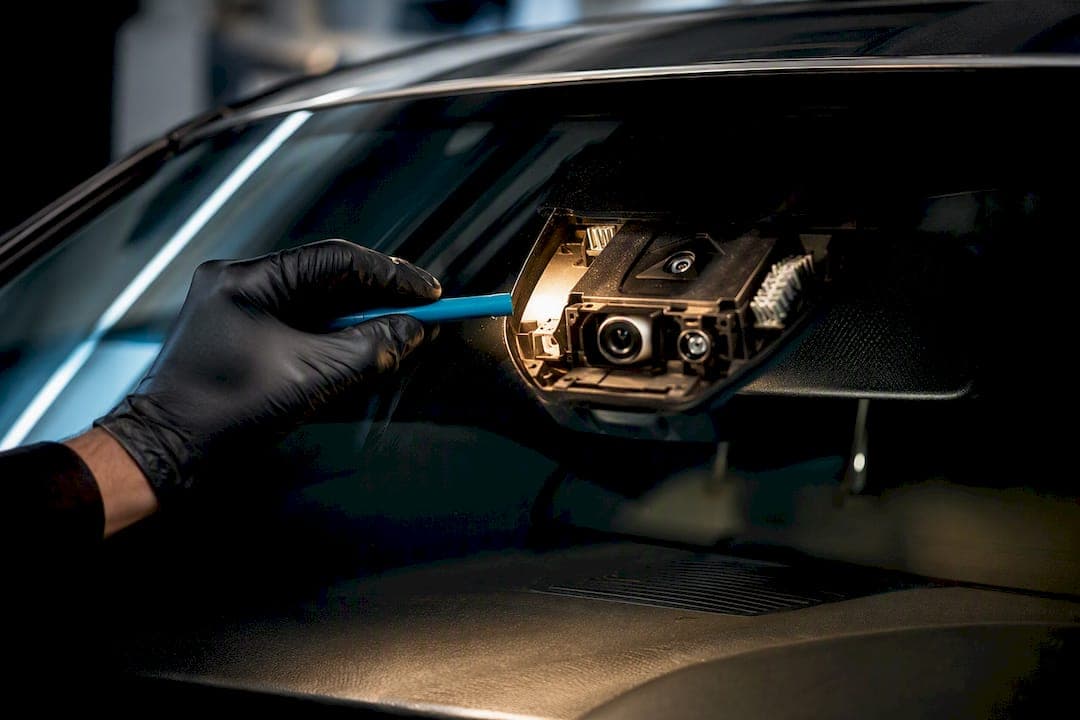
- ADAS sensors and calibration systems — radar, cameras, and the calibration work needed after any glass or bumper repair.
- Hybrid and EV components — high-voltage batteries, inverters, and charging electronics, which sit outside standard powertrain definitions entirely.
Extended warranty pricing in 2026 commonly runs $900 to $2,000 per year, and coverage tier explains most of that spread. A named-component plan at the low end almost never touches items five through seven above.
That's the core argument for exclusionary coverage on any complex luxury model: named-component lists routinely omit sensors, seals, gaskets, and the electronic modules that fail most often, leaving you to discover the gap exactly when you need the coverage. Watch also for "betterment" deductions, where the provider reduces your payout based on the part's wear, and standard depreciation clauses that shrink reimbursement as the car ages.
CPO vs. Extended Warranty vs. Self-Insuring: Which Wins?
The honest answer depends on how long you plan to keep the car and how much repair-cost risk you're willing to carry yourself. Three paths lead to three very different ownership experiences.
Buying manufacturer CPO costs more upfront, but that premium buys factory-backed repairs at any franchised dealer in the network, plus perks like roadside assistance and rental car reimbursement during covered repairs, per Consumer Reports. The tradeoff is flexibility: repairs generally have to happen at approved dealers, and if you finance the car, that CPO premium gets rolled into the loan and accrues interest for years.
Buying a non-CPO luxury car and adding a third-party extended plan usually costs less than the CPO premium, and you can shop the contract separately from the vehicle purchase. But you lose the manufacturer's backing, and coverage quality varies enormously by provider, which is exactly why Usedcars flags provider reputation as a top evaluation criterion.
Self-insuring means skipping formal coverage and setting aside cash for repairs instead. It tends to work best for buyers who plan to keep the car for years, know the specific model's reliability history, and have the discipline to actually fund the account rather than spend it.
A few rules of thumb make the choice easier:
- Short ownership horizon (under three years) plus a reliable model often favors self-insuring.
- Long ownership horizon plus a model with known electronic or air suspension issues favors CPO or an exclusionary VSC.
- Cash buyers benefit more from self-insuring since they avoid financing interest entirely.
- Financed buyers should compare the total financed cost of CPO against a standalone VSC bought with cash.
How to Evaluate a Warranty Offer Before You Sign
Every warranty document uses reassuring language. The actual protection lives in specific clauses, and finding them takes a checklist, not a skim.
- Confirm the coverage model. Ask directly: is this exclusionary or named-component? Get the answer in writing, not verbally from a sales rep.
- Check the deductible structure. Some plans charge per repair visit, others per covered part on that visit, and the difference matters if multiple systems fail together.
- Read the claim-notice window. Some contracts require you to report a problem within 24 to 72 hours of noticing it, which is an easy trap if you're traveling.
- Verify maintenance requirements. Missed oil changes or software updates can void coverage entirely, especially on hybrid and EV models where Lucid's CPO documentation ties coverage explicitly to service and update compliance.
- Ask about the repair network. Can you use any licensed shop, or only specific dealers? Does the plan require OEM parts?
- Confirm transferability and fees. If you sell the car before the contract expires, can the buyer inherit it, and what does that transfer cost?
- Request the provider's name and financial backing. A contract is only as good as the company behind it. Ask whether claims are insurance-backed and look up complaint histories before paying anything.
Pro Tip: Ask the provider for a sample denied claim, not just a sample contract. How they describe a real denial tells you more about betterment deductions and exclusions than the marketing brochure ever will.
Red flags worth walking away from: a "certified" sticker with no manufacturer paperwork behind it, claim-notice windows under 48 hours, heavy betterment deductions buried in the fine print, and contracts that are nontransferable or charge steep transfer fees. UsedCars.com treats provider reputation as a make-or-break factor for exactly this reason.
What a Used Luxury Warranty Actually Costs
Price swings widely based on a handful of variables you can control or at least anticipate. Vehicle age and mileage drive the base rate, since older, higher-mileage cars carry more failure risk. Coverage tier matters just as much: an exclusionary bumper-to-bumper plan costs meaningfully more than a named-component powertrain plan, and it should, given what it protects.
Extended service contracts on used cars generally run $900 to $2,000 per year, with luxury models often landing at the higher end because parts and labor cost more across the board.
- Financing the contract into your auto loan spreads the cost but adds interest over the loan term, sometimes turning a $1,500 plan into closer to $1,800 or more by the time it's paid off.
- Paying cash upfront avoids that interest entirely and gives you more leverage to negotiate the price down.
- Self-insuring by setting aside $100 to $150 a month into a dedicated repair fund can outperform a paid plan if the car stays reliable, but it requires real discipline to avoid raiding the account for something else.
Budgeting for your first luxury car should include this warranty decision from day one, not as an afterthought once you're already at the finance desk.
How Claims and Repairs Actually Play Out
Filing a claim looks straightforward on paper and gets complicated fast when a shop and a provider disagree about what's covered. Knowing the sequence in advance keeps you from losing time or money.
- Manufacturer and CPO claims typically route through any franchised dealer for that brand. The dealer diagnoses the issue, contacts the warranty administrator for approval, and uses OEM parts by default.
- Third-party VSC claims usually require you to call the provider before repairs begin, get pre-authorization, and sometimes use a shop from an approved list rather than your preferred mechanic.
- ADAS-equipped repairs often need sensor recalibration after bodywork or glass replacement, which adds time and cost that some older contracts don't anticipate well.
The most common reasons claims get denied: missing maintenance records, inability to confirm the vehicle's in-service date, and disputes over whether a failure was a pre-existing condition. Keep every service receipt, and if you're buying from a dealer, ask whether they document pre-owned luxury vehicle inspections at the point of sale, since that paperwork becomes your best defense against a pre-existing condition dispute later.
How Auto Vendors Inc Handles Warranties for Buyers
At Autovendorsfl, every used luxury vehicle goes through inspection before it reaches the lot, and that process directly informs whether a car is a strong CPO candidate or better suited to an exclusionary extended plan. Suspension wear, electronic module health, and maintenance history all factor into that recommendation.
We document service history and in-service dates so warranty transfers go smoothly, whether that's a manufacturer CPO transfer or a third-party contract. For buyers who want to shop extended coverage independently, we help vet provider reputation and gather the paperwork, inspection checklist records, and maintenance proof, that make claims go through cleanly instead of getting denied over a missing receipt.
The One Rule Worth Remembering
Strip away the fine print and the decision reduces to a single rule: take manufacturer CPO when it's available on the model you want, and if it isn't, buy an exclusionary contract built for the electronics, suspension, and hybrid or EV systems that actually break on luxury cars. Self-insuring only makes sense if you genuinely fund the account and know the model's reliability history cold.
Whatever you choose, get every promise in writing and hold onto every maintenance receipt. Warranty disputes are rarely about whether coverage exists. They're about whether you can prove you're entitled to use it.
— Allen
Find Your Next Luxury Car with Warranty Support Built In
Shopping for a warranty is only half the equation. The other half is buying a car whose condition actually supports the coverage you pick, and that's where a curated dealership beats a random private-party listing or an unverified online marketplace. Autovendorsfl inspects every luxury vehicle before it hits our lot, documents that inspection, and keeps maintenance records organized so your CPO transfer or extended contract claim doesn't stall on missing paperwork.
Our team also offers personalized vehicle finding assistance if you're hunting for a specific make or model with strong CPO eligibility left on the clock, along with trade-in valuation and financing options to make the numbers work. If you're ready to see what's on the lot or want to talk through warranty options on a specific vehicle, browse our current inventory and book an inspection or consultation with our team today.
Where to Verify the Details Yourself
Before you sign anything, check the manufacturer's own CPO page, since terms and mileage caps vary by brand and change over time. Mercedes-Benz's extended limited warranty program and Acura's, Lucid's, and Maserati's CPO documentation all spell out exact coverage windows. For a broader view on how warranty transferability and insurer backing work across luxury asset classes, Baranof Yachts' warranty guide offers a useful comparison point.
Sources
- Certified Pre-Owned vs Used (CarSaver)
- What do certified pre-owned car programs cover? (Consumer Reports)
- Usedcars
- Cars
- Certified pre-owned vs extended service contract (Edmunds)