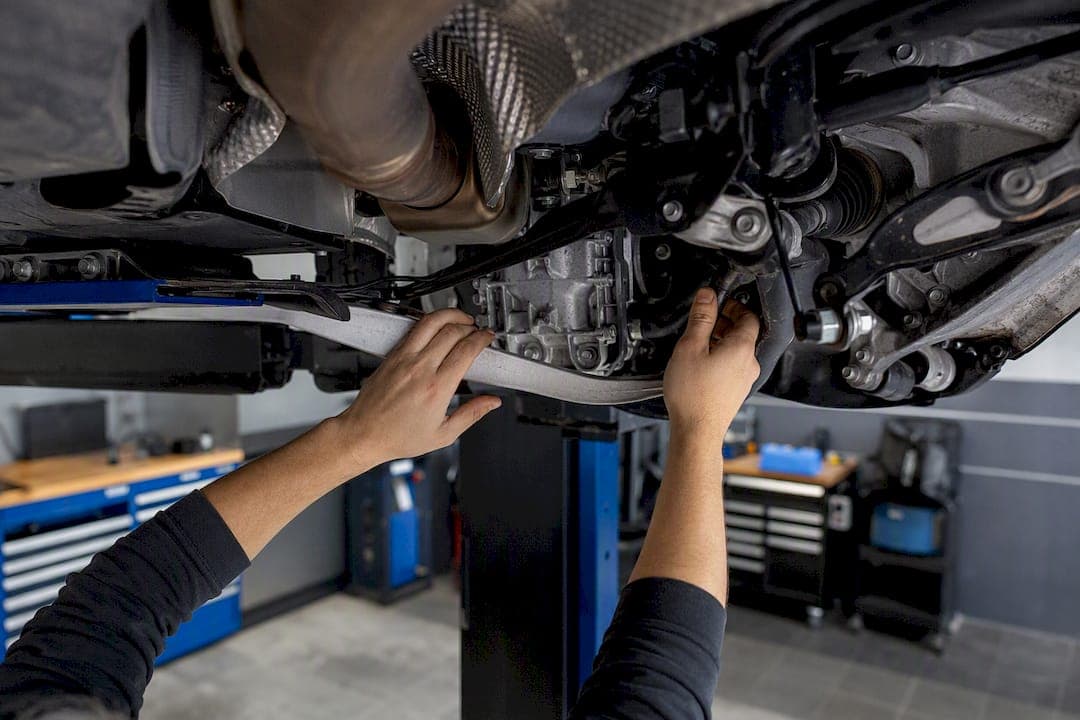
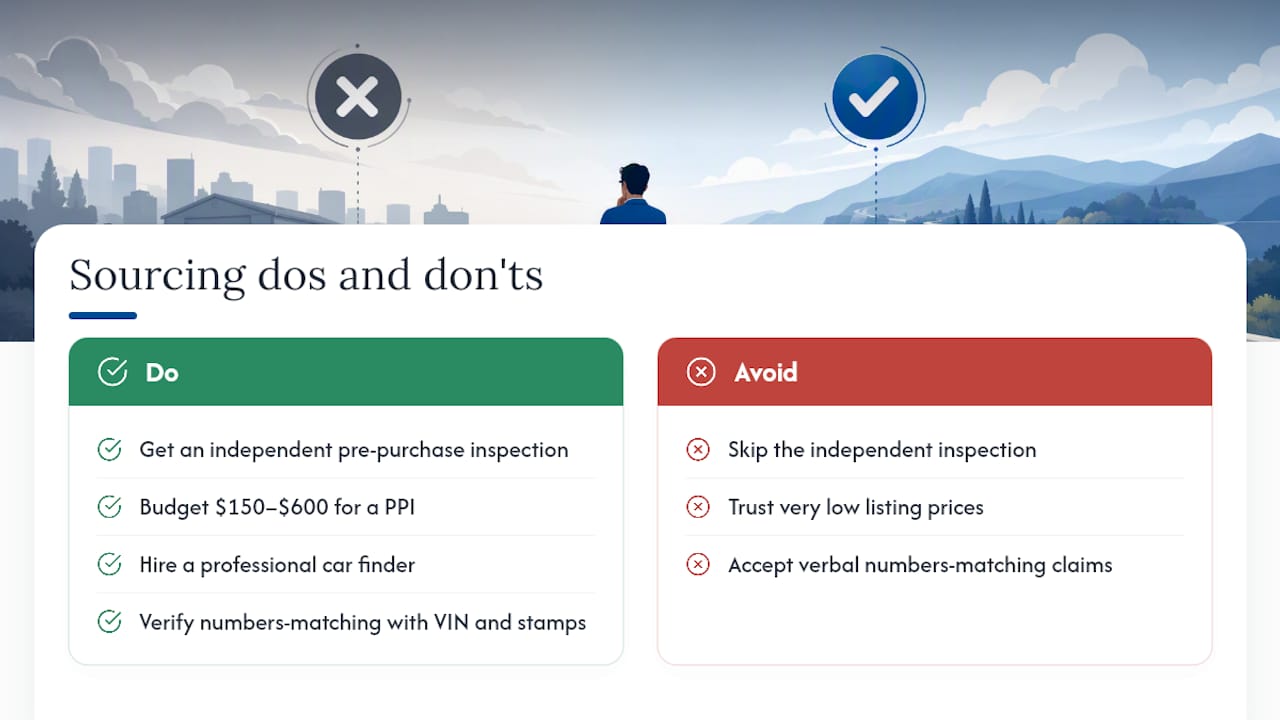
Most expensive sourcing mistakes come down to skipping three checks: verifying provenance and VIN history, getting an independent, marque-aware pre-purchase inspection, and budgeting realistically for parts and logistics. Missing documentation alone can knock 30 to 50 percent off a car's value when a claimed numbers-matching status turns out to be false, and inspection costs that run $150 to $600 are cheap insurance against a five-figure surprise.
- Verify the VIN, title, and provenance paperwork before wiring a dollar.
- Hire an independent, marque-aware inspector, not the seller's mechanic.
- Budget parts, shipping, and labor at realistic market rates rather than relying on optimistic guesses.
Pro Tip: Ask the seller to photograph the VIN plate, door jamb sticker, and engine stamp before you book travel. A seller who hesitates just answered your biggest question.
Key Takeaways
Verified provenance, an independent marque-aware inspection, and realistic parts and logistics budgeting together prevent most costly sourcing mistakes.
| Point | Details |
|---|---|
| Verify before you pay | Check VIN stampings, title brands, and provenance paperwork before any deposit changes hands. |
| Get an independent PPI | Budget $150 to $600 for inspection to catch hidden rust, filler, or mechanical faults. |
| Don't trust bargain pricing | A price far below comparable sales, the "$3,000 rule," usually signals a hidden problem. |
| Budget parts and lead times | NOS parts can take a year to source; add contingency for repro and fabrication delays. |
| Consider a professional finder | Autovendorsfl offers provenance research, inspection coordination, and escrow handling for buyers who want the risk outsourced. |
Table of Contents
- The Quick-Reference Checklist for Common Enthusiast Car Sourcing Mistakes
- How Do You Verify Title, VIN, and Provenance?
- What Should a Mechanical Inspection Actually Cover?
- How Do You Value a Collector Car Without Overpaying?
- What Do Parts and Logistics Really Cost?
- How Do You Pay Safely and Avoid Scams?
- When Should You Hire a Professional Car Finder?
- What a Near-Miss Purchase Taught Me About Trust
- Let a Professional Handle the Sourcing Risk for You
- Frequently Asked Questions
- Sources
The Quick-Reference Checklist for Common Enthusiast Car Sourcing Mistakes
Print this list before your next viewing. It covers the mistakes that drain the most money and time.
- Trusting seller claims without proof — request receipts, titles, and VIN photos, not verbal assurances.
- Skipping the pre-purchase inspection — a $150 to $400 PPI can save thousands.
- Ignoring rust behind panels — check rocker panels, floor pans, and trunk drop-offs with a flashlight and mirror.
- Assuming "numbers matching" is true — confirm stampings yourself or through your inspector.
- Underbudgeting for parts — NOS and reproduction parts can take weeks or months to arrive.
- Falling for urgency tactics — "three other buyers are coming today" is a pressure script, not a fact.
- Wiring a full deposit sight-unseen — never pay in full before an inspection contingency clears.
- Overlooking title brands — salvage or flood titles change insurability and resale value.
- Skipping a test drive on the lift — ground-level walk-arounds miss frame and suspension damage.
- Ignoring service records — a car with no paper trail is a bigger gamble than the price suggests.
Pro Tip: When time or budget is tight, prioritize the title/VIN check and the PPI first. Cosmetic issues are negotiable; a bad title or hidden frame damage is not.
How Do You Verify Title, VIN, and Provenance?
Authenticity checks are where enthusiasts lose the most money, because a clean-looking car can hide a compromised paper trail. Start with the basics before you even discuss price.
- Pull a title history and run the VIN through a national title database to catch salvage, flood, or lien brands.
- Compare the VIN on the dash, door jamb, and engine block against the title. Mismatched stampings are a documented reason to walk.
- Ask for a broadcast sheet or data plate where the model supports one, plus any restoration or service receipts.
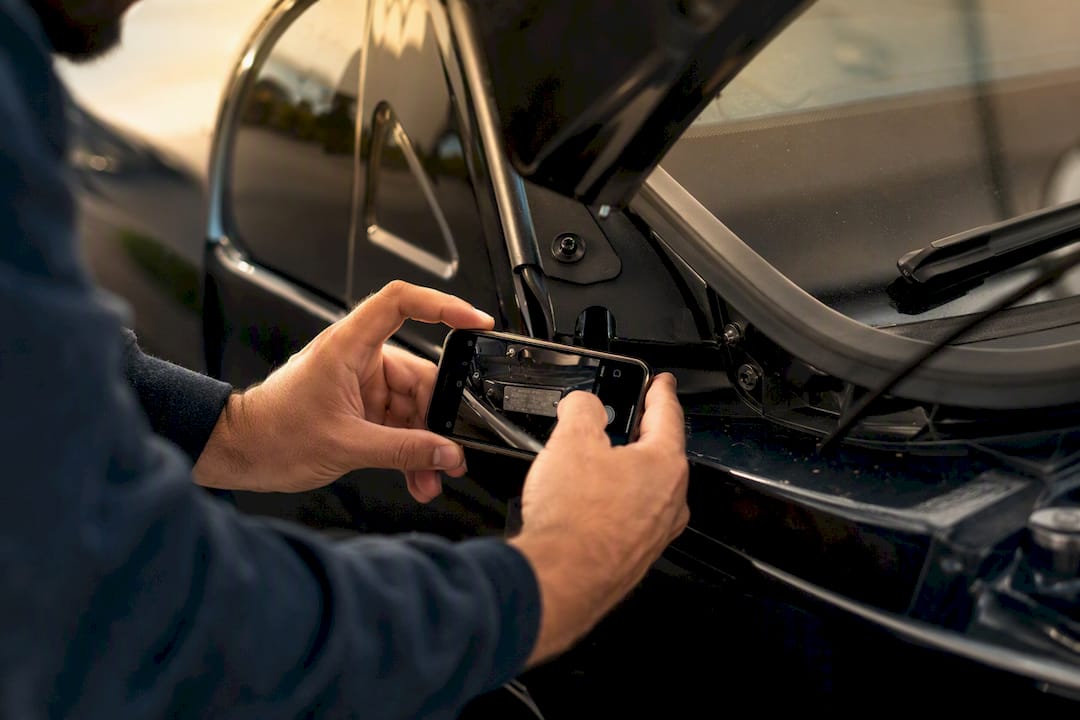
- Request close-up photos of every stamped VIN location before you travel to see the car in person.
A salvage or rebuilt title doesn't always mean stay away, but it does mean the car will be harder to insure and worth noticeably less at resale. Provenance documentation reduces buyer uncertainty enough that a car with complete records regularly commands a premium over an otherwise identical car without them.
- Red flag: seller can't produce a title at all, or the name on it doesn't match the seller.
- Red flag: VIN stampings show tool marks, re-stamping, or inconsistent fonts.
- Red flag: seller gets vague or defensive when you ask for documentation.
Pro Tip: Ask for a vehicle provenance report before you negotiate price. It's the cheapest due diligence step in the entire process.
What Should a Mechanical Inspection Actually Cover?
An independent, marque-aware pre-purchase inspection isn't optional once you're spending real money. It's the single check that prevents the most expensive mistakes, and that holds for any collector purchase above roughly $10,000.
- Get the car on a lift. Ground-level looks miss frame rails, suspension mounts, and floor pan corrosion.
- Run a cloth-wrapped magnet over quarter panels and fenders to detect body filler.
- For cars above roughly $50,000, use a paint-thickness gauge instead of just a magnet, since a thin skim coat can fool a magnet test.
- Check rocker panels, trunk drop-offs, and door bottoms for structural rust, not just surface scale.
- Inspect fluid condition, listen for compression issues, and note any wiring modifications during the test drive.
Surface rust is cosmetic and fixable. Structural rust in frame rails or floor pans is often a deal-breaker, since repairing it can cost more than the car is worth. Our own pre-owned luxury inspection checklist walks through exactly what a thorough PPI should document.
Pro Tip: A written inspection report with photos is worth more at the negotiating table than a verbal "it's mostly fine." Insist on paper.
How Do You Value a Collector Car Without Overpaying?
Value comes from documented originality, verified condition, and comparable sales, not from a seller's asking price. Provenance raises the ceiling; missing proof lowers it fast, sometimes by 30 to 50 percent when a numbers-matching claim doesn't hold up under inspection.
Enthusiasts often invoke an informal "$3,000 rule": when a listed price sits thousands below comparable, documented sales, that gap usually signals a hidden mechanical, title, or provenance problem rather than a bargain. If three verified comparables sold for $45,000 to $52,000 and a listing shows $38,000, that $7,000 to $14,000 gap needs an explanation before you get excited.
- Gather three to five comparable sales with documented, verified condition and provenance.
- Subtract value for any non-matching components or unverifiable history.
- Add expected repair, parts, and transport costs to your real offer price.
- Leave a negotiation margin of 5 to 10 percent below your ceiling.
Pro Tip: A below-market price can make sense for a declared parts car or a full restoration project where you've already priced the repair work. Otherwise, treat a steep discount as a warning, not a win.
What Do Parts and Logistics Really Cost?
Parts availability and shipping lead times decide whether a project stays on budget or doubles in cost. Barn finds are especially deceptive here. Restorers commonly recommend adding roughly 40 percent to your initial mechanical estimate on any car described as "ran when parked."
| Part Category | Typical Lead Time | Cost Expectation |
|---|---|---|
| NOS (new old stock) | Weeks to over a year | Premium pricing, limited stock |
| Reproduction parts | Days to a few weeks | Moderate, varies by fit quality |
| Custom fabrication | Weeks to months | Highest cost, depends on shop backlog |
- Budget separately for mechanical, body/metalwork, trim and fasteners, and transport.
- Cross-border imports add customs delays and fees most first-time buyers forget to price in.
- Specialist labor for rare marques often has its own waiting list, independent of parts.
How Do You Pay Safely and Avoid Scams?
Never send full payment sight-unseen. Use escrow or a refundable, capped deposit tied to an inspection contingency, and never wire the remaining balance until the car and title are verified in hand.
- Do: use escrow services or in-person cashier's checks after inspection.
- Don't: wire funds to an unverified account or accept a "deposit holds the price" pressure line.
- Do: confirm the seller's identity matches the title before any deposit changes hands.
- Don't: skip a documented chain-of-custody record for photos, receipts, and signed inspection reports.
- Written contract with a clear ownership-transfer date and condition-as-inspected language.
- Inspection contingency that lets you exit the deal if the PPI turns up major issues.
- Refundable deposit terms spelled out in writing, not implied verbally.
- Clear transportation responsibility and a dispute-resolution clause.
Pressure to wire funds fast, refusal of an independent inspection, and evasive answers about the title are the three clearest signs a seller is hiding something.
When Should You Hire a Professional Car Finder?
Hire a finder when you lack the time, the provenance network access, or the import experience the purchase demands, especially on investment-grade cars where vetting requires specialist resources. Professional sourcing relies on private owner databases and cross-referenced VIN histories that most individual buyers simply can't reach on their own.
- Access to a shadow market of cars that never hit public listings.
- Negotiated inspection and transport packages instead of piecing together vendors yourself.
- Verified provenance research done before you ever see the car.
- Escrow handling that removes the wire-fraud risk entirely.
A finder should give you a written scope of work, a documented verification process, a formal inspection report, and clear escrow or payment-handling terms before you agree to anything.
Pro Tip: If a finder can't explain their inspection and escrow process in one clear paragraph, that's a sign to keep looking.
What a Near-Miss Purchase Taught Me About Trust
A buyer I worked with once nearly bought a "numbers-matching" muscle car based on a seller's word alone. Insisting on a lift inspection turned up a re-stamped engine pad, something no ground-level walk-around would have caught. The lesson stuck: ask sellers exactly which VIN locations they'll let you photograph before you travel. Hesitation on that one question tells you almost everything you need to know.
Let a Professional Handle the Sourcing Risk for You
Autovendorsfl exists for enthusiasts who want the collector-grade vetting this article just walked through, without personally chasing VIN reports, inspection schedules, and escrow paperwork across state lines.
Our process starts with your specification, then moves through provenance research, VIN and title verification, inspection coordination with a marque-aware specialist, and escrow-backed payment handling before the car ever reaches you. It's the same checklist covered above, run by people who do it for a living instead of once every few years. If you're ready to see what's currently available, browse our pickups for sale in Fort Lauderdale and request a personalized vehicle search to start the process today.
Frequently Asked Questions
What is the single biggest sourcing mistake enthusiasts make? Skipping an independent pre-purchase inspection is the costliest mistake, since it's the one check that catches structural rust, filler, and mechanical faults before you commit money.
How much does a pre-purchase inspection typically cost? Most independent PPIs run $150 to $600 depending on inspection depth and marque expertise, which is minor compared to the repair costs it can prevent.
What does the "$3,000 rule" mean when sourcing a classic car? It's an informal warning sign: when a listing price sits well below verified comparable sales, that gap usually points to a hidden title, mechanical, or provenance problem rather than a genuine bargain.
When should I hire a professional car finder instead of sourcing myself? Hire a finder when you lack time, provenance network access, or import experience, particularly for investment-grade cars where verification requires specialist resources and escrow handling.
How do I know if a numbers-matching claim is real? Compare the VIN against engine, transmission, and body stampings in person or through your inspector. Never accept a seller's verbal claim, since an unverified mismatch can cut value by 30 to 50 percent.
Sources
- Classic Car Pre-Purchase Inspection: What the Experts Actually Say in 2026 - Garage Lore
- Automobilist
- What are the Biggest Mistakes People Make When Buying a Muscle Car? | Muscle Car Fan