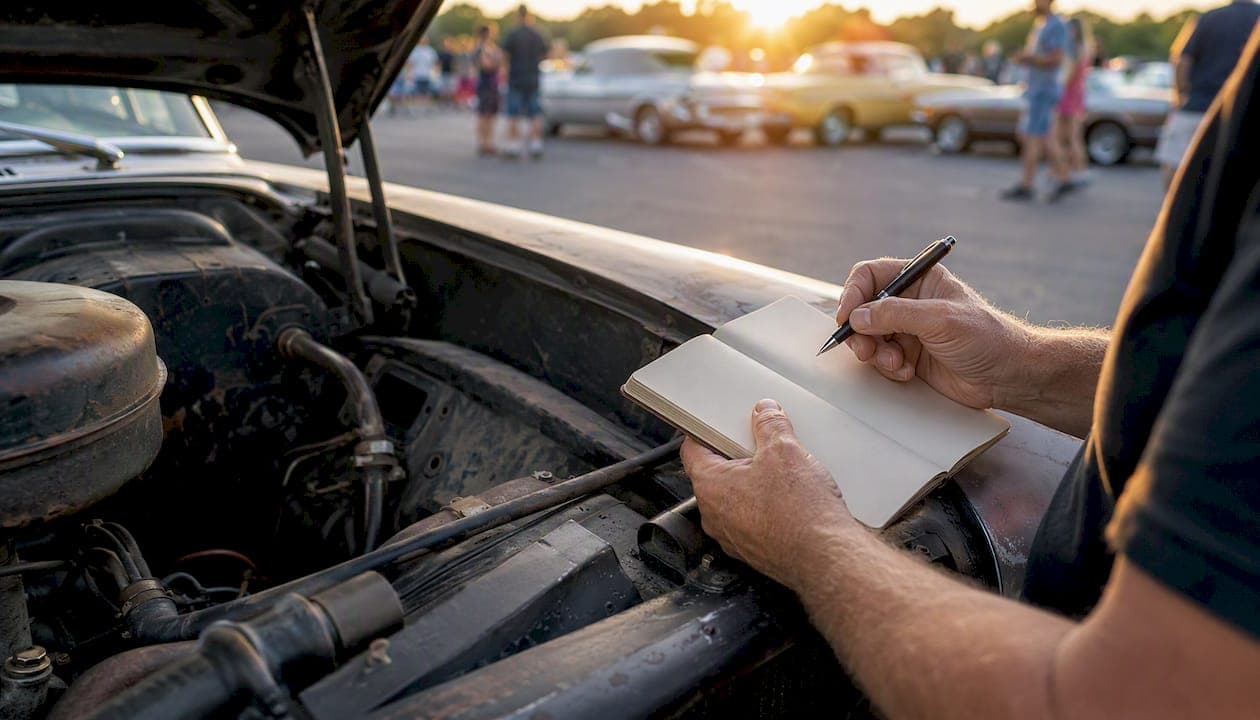
Before you hand over a single dollar on a rare vehicle purchase, you need seven documents in hand: a properly assigned certificate of title, a signed bill of sale, a VIN or factory build sheet confirming chassis and engine identity, a lien release or payoff letter, government-issued ID for both parties, an odometer disclosure where required, and provenance records such as service history, auction receipts, or factory documentation. Missing even one of these can stall registration, expose you to fraud, or erase the investment value you paid for.
Your immediate next step before any funds move: run the VIN through the NHTSA VIN lookup and the NICB VINCheck tool, which flags vehicles reported stolen or declared a total loss by participating insurers. For an imported vehicle, contact U.S. Customs and Border Protection (CBP) and the EPA before the car reaches port. Your state DMV is the governing authority for title transfer, and Autovendorsfl is a trusted local resource for buyers navigating complex rare-car transactions in South Florida.
Quick pre-payment document checklist:
- Signed, assigned certificate of title (seller's signature in the assignment block)
- Signed bill of sale with VIN, sale price, date, and both parties' contact information
- Factory build sheet or VIN-matched engine/chassis documentation (if available)
- Lien release or payoff letter from any lienholder
- Government-issued photo ID for buyer and seller
- Odometer disclosure statement (required for most vehicles under 20 years old)
- Proof of insurance and registration evidence to legally drive the vehicle
- Provenance file: service records, auction receipts, past appraisals, factory documents
Pro Tip: Photograph every document front and back before you leave the seller's location. A timestamped photo set is your first line of defense if a dispute arises later.
Key Takeaways
Properly documenting a rare vehicle acquisition requires assembling a complete legal and provenance file before payment, verifying the VIN against federal records, clearing any liens, and using escrow or notarized closings for remote transactions.
| Point | Details |
|---|---|
| Assemble documents before payment | Collect the signed title, bill of sale, lien release, ID, odometer disclosure, and provenance records before funds transfer. |
| Verify VIN through federal tools | Run every VIN through the NHTSA VIN lookup and NICB VINCheck to confirm identity and flag theft or total-loss records. |
| Clear liens before closing | Require a dated, signed lien release on lender letterhead; never accept a photocopied "paid" stamp as proof. |
| Use escrow for remote purchases | A licensed escrow agent with conditional release language tied to title receipt protects buyers in auction and remote deals. |
| Treat provenance as a value driver | Missing factory records, service history, or appraisals is a valid reason to renegotiate price or walk away. |
Table of Contents
- Core legal documents you need to verify before signing
- Provenance and authentication documents that protect your investment
- How to clear liens and handle bank-held titles safely
- Title brands, salvage histories, and VIN-cloning red flags to catch early
- Registration, taxes, fees, and title-transfer timelines for U.S. buyers
- Import paperwork and federal compliance for foreign or exotic vehicles
- How to buy safely at auction or from a remote seller
- Your pre-signing checklist and document storage guide
- What dealers who handle rare vehicles know that most buyers don't
- Authoritative resources for rare vehicle documentation
- Sources
Core legal documents you need to verify before signing
The certificate of title is the single most important piece of paper in any vehicle acquisition. For a rare car, it carries even more weight because title brands, lienholder names, and odometer readings are permanent legal records. When you receive the title, confirm the seller's name matches the registered owner exactly, check that the assignment block is fully completed with the seller's signature, the sale date, and the buyer's name, and look for any title brands printed in the header. A brand reading "salvage," "rebuilt," or "flood" changes the vehicle's insurability, safety status, and resale value immediately.
The bill of sale is a legally binding contract that records the transfer terms and is often required for registration and tax calculation, as Progressive explains in its car purchase agreement guide. At minimum, the document should include the full VIN, the agreed sale price, the sale date, the odometer reading at transfer, and complete contact information for both parties. For a collectible, add a condition clause and a list of included accessories or documentation. That detail matters when the buyer later registers the vehicle and the DMV calculates sales tax based on the stated purchase price.
Federal law under the Truth in Mileage Act requires an odometer disclosure for most vehicles under 20 model years old. Some states extend that requirement or use a separate state-specific form. When the title itself includes an odometer disclosure block, both parties must complete it. If the state requires a standalone odometer statement, request it before closing. For vehicles over 20 years old, the federal requirement does not apply, but documenting the known mileage in the bill of sale is still good practice.
Pro Tip: Ask the seller for a copy of their government-issued ID and write down the ID number on your copy of the bill of sale. If a title dispute surfaces months later, having that record makes tracing the seller far easier.
Key fields to verify on every document:
- VIN on the title matches the VIN plate on the dashboard and the door jamb
- Engine number and chassis stamp match factory records or build sheet
- Title brand field is blank or shows "clean" (no salvage, rebuilt, or flood notation)
- Lienholder field is blank or shows a completed lien release
- Seller's signature is present in the assignment block, not just on the bill of sale
- Odometer reading is consistent across title, bill of sale, and any service records
- Both buyer and seller names are spelled correctly and match their IDs
The FTC's plain-language buyer guide outlines seller disclosure responsibilities and buyer protections that apply to used vehicle transactions. Reviewing it before a purchase gives you a clear picture of what sellers are legally obligated to disclose and what recourse you have if they don't.
Provenance and authentication documents that protect your investment
For a rare or collectible vehicle, the provenance file is what separates an investment-grade asset from an expensive gamble. Well-documented ownership and maintenance records increase resale trust and reduce disputes, and appraisals and restoration records are frequently used as definitive provenance evidence, according to Auto Appraisal Group. Rarity alone does not guarantee value. Condition, provable demand, and a complete paper trail determine whether a car commands a premium at resale or sits unsold.
The provenance file for a serious collector acquisition should include:
- Factory build sheet: The original document printed at the assembly plant listing every option, color code, and drivetrain specification for that specific VIN
- Original dealer invoice or window sticker: Confirms factory-ordered options and original retail price
- Ownership history letters or title chain: Prior registrations or notarized statements from previous owners
- Service and maintenance records: Dated receipts from dealerships or marque specialists showing mileage at each visit
- Restoration receipts: Invoices from body shops, engine rebuilders, or upholstery specialists with part numbers and labor descriptions
- Past appraisals: Dated appraisal reports from certified classic car appraisers
- Competition or event records: Logbooks, entry forms, or results sheets if the vehicle has a racing or show history
- Auction receipts: Hammer price confirmation, lot description, and condition report from any auction house sale
- Original owner's manual and supplemental booklets: Factory-issued materials specific to the model year and trim
To verify factory records, contact the manufacturer's heritage or archive department directly. Many marques maintain dedicated historian programs. Porsche, Ferrari, and Ford, for example, offer certificate-of-authenticity services that confirm factory specifications against the VIN. Recognized marque registries and clubs often maintain independent databases that cross-reference production records.
When provenance claims are central to the price, schedule an independent forensic authentication before closing. A qualified classic car appraiser can verify engine and chassis stamps, analyze paint layers for evidence of resprays, and confirm that major components match the production date. The Autovendorsfl guide to exotic car provenance covers the specific documentation patterns collectors should expect for high-value acquisitions.
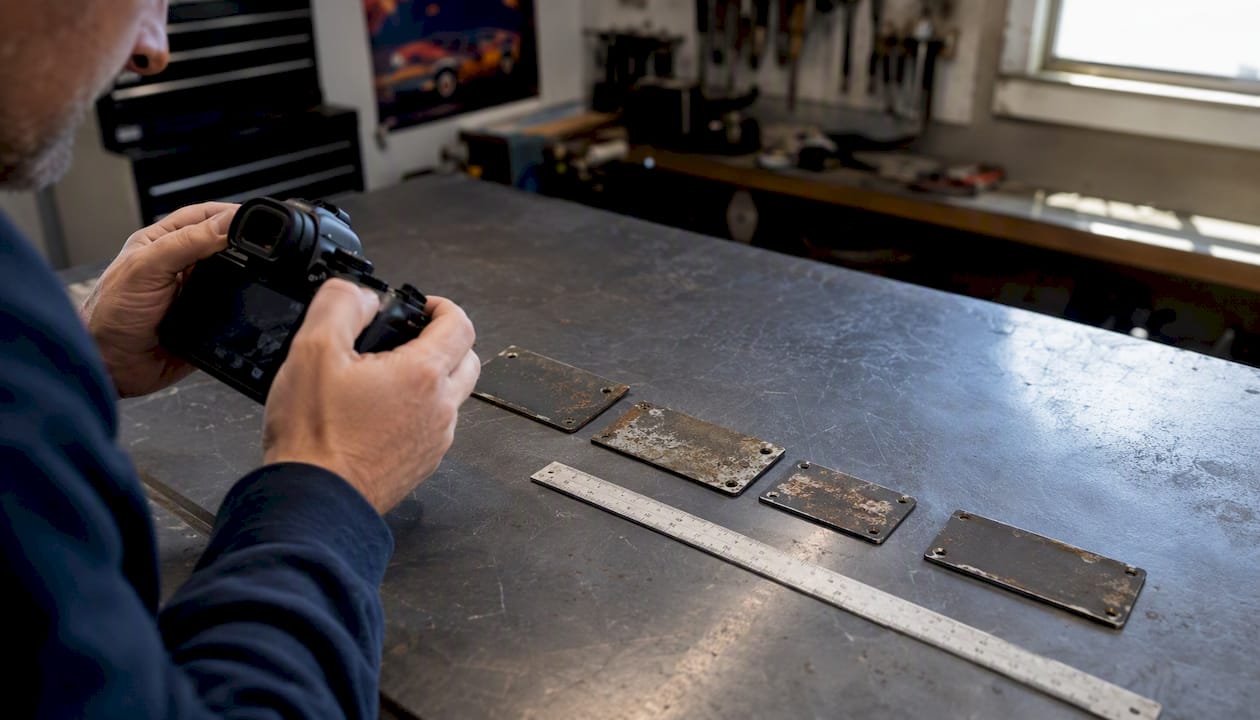
Pro Tip: Photograph the VIN plate, engine stamp, chassis stamp, and build tag in a single session with a ruler in frame for scale. Date-stamp the images and store them with the provenance file. That photo set can resolve authenticity disputes without a full re-inspection.
How to clear liens and handle bank-held titles safely
An active lien on a title means a lender has a legal claim to the vehicle. Buying a car with an undisclosed lien can result in the lender repossessing the vehicle even after you've paid the seller in full. The lien holder's name appears on the face of the title; if that field is not blank, the lien must be resolved before or at closing.
Documents to request when a lien exists:
- Payoff letter from the lender: On official letterhead, stating the exact payoff amount, the per-diem interest rate, the payoff-good-through date, and wire instructions
- Signed lien release document: The lender's formal release of its security interest, which the DMV requires to issue a clean title
- Escrow instructions: If funds will be wired directly to the lender, the escrow agent needs written confirmation of the lender's account details and the release conditions
The safest workflow is a simultaneous closing: the buyer's funds go to an escrow agent, the escrow agent pays the lender's payoff amount directly, and the lender sends the original title or a signed lien release to the buyer or the DMV. This structure prevents a scenario where the seller receives the full purchase price but delays or fails to pay off the loan.
Pro Tip: Never accept a photocopied title with a "paid" stamp as proof that a lien is cleared. Insist on a dated, signed lien release on the lender's letterhead or a DMV-issued clear title. A photocopy proves nothing a court would accept.
Title brands, salvage histories, and VIN-cloning red flags to catch early
Title brands are permanent notations that follow a vehicle through every subsequent transfer. Common brands in the U.S. include salvage, rebuilt, flood, junk, and lemon law buyback. A salvage brand means an insurer declared the vehicle a total loss. A rebuilt brand means it was repaired and passed a state inspection, but the salvage history remains on record. For a rare vehicle, either brand significantly affects insurability, financing eligibility, and auction acceptance.
NMVTIS aggregates title and brand data from state DMVs and insurance carriers, making it one of the most reliable tools for flagging salvage or branded-title histories before purchase. Run every VIN through NMVTIS records and cross-reference with the NICB VINCheck before committing to a price.
VIN cloning is a more serious fraud pattern. A thief takes the VIN from a legitimately registered vehicle and attaches it to a stolen car of the same make, model, and color. Warning signs include:
- VIN plate rivets that appear disturbed, replaced, or mismatched in finish
- A VIN stamped or etched inconsistently compared to factory standards for that marque
- Short ownership cycles with no logical geographic pattern
- Engine or chassis stamps that don't match the VIN's production sequence
- Mismatched door jamb VIN stickers versus the dashboard plate
- Service records that reference a different vehicle description than the one you're inspecting
- A seller who is reluctant to allow a pre-purchase inspection by an independent mechanic
The NHTSA VIN lookup decodes the VIN against federal production records, confirming the make, model, year, plant, and sequence number. If the decoded data doesn't match the physical vehicle, stop the transaction. A pre-purchase inspection report from a marque specialist is the document that resolves most physical discrepancy concerns. The Autovendorsfl pre-owned luxury vehicle inspection guide walks through the specific checks that matter most for high-value cars.
Pro Tip: Short ownership cycles are one of the most overlooked red flags. If a vehicle has changed hands three times in 18 months with no clear explanation, treat that as a provenance gap that requires resolution before payment.
Registration, taxes, fees, and title-transfer timelines for U.S. buyers
Title transfer processing times can take several weeks, and financing records may take even longer to update, as Kelley Blue Book's car title guide notes. Plan for that window before you commit to selling or insuring the vehicle under the new title. Most states require the buyer to submit the assigned title, bill of sale, proof of insurance, and applicable fees to the DMV within a set number of days of purchase, typically 10–30 days depending on the state.
The bill of sale purchase price is the primary document the DMV uses to calculate sales and use tax. State rates vary considerably. Some states also assess a separate use tax when a vehicle purchased out of state is registered locally. Title fees, registration fees, and any emissions or smog certificate fees are additional line items. For a high-value rare vehicle, the tax exposure alone can represent a significant cost, so confirm the applicable rate with your state DMV before closing.
Out-of-state purchases add a layer of complexity. The buyer typically needs:
- A temporary operating permit or transit tag from the selling state to drive the vehicle home
- A notarized title assignment or power of attorney if the seller cannot be present at the buyer's DMV
- An emissions or smog certificate if the buyer's home state requires one for registration
- Proof that the vehicle meets the buyer's state's safety standards
Pro Tip: Call your home state's DMV before you finalize payment on an out-of-state purchase. Confirm which forms they require, whether they accept the selling state's title format, and whether an emissions test is mandatory. A five-minute call can prevent a weeks-long registration delay.
Import paperwork and federal compliance for foreign or exotic vehicles
Importing a rare vehicle into the United States requires clearance from three federal agencies: U.S. Customs and Border Protection, the EPA, and the DOT/NHTSA. Missing documentation at the port can result in the vehicle being held, modified at the importer's expense, or refused entry entirely.
Key documents and steps for an import:
- CBP entry documents: A formal entry package including the commercial invoice, bill of lading, and packing list filed with CBP at the port of entry
- DOT/NHTSA Form HS-7: The importer's declaration confirming the vehicle meets Federal Motor Vehicle Safety Standards or qualifies for an exemption
- EPA Form 3520-1: The importer's declaration confirming emissions compliance or claiming an applicable exemption (such as the 25-year rule for vehicles manufactured before 2001)
- Original foreign title and bill of sale: Required to establish ownership and value for customs purposes
- Manufacturer compliance letters: If the vehicle was built to U.S. specifications, a letter from the manufacturer confirming conformance can simplify the EPA and DOT review
The 25-year exemption under EPA and DOT rules allows vehicles manufactured 25 or more years ago to be imported without meeting current emissions or safety standards, making it a common pathway for classic and vintage imports. Vehicles that don't qualify for an exemption must be brought into conformance by a Registered Importer (RI) recognized by NHTSA, a process that can take months and cost tens of thousands of dollars.
The Autovendorsfl guide to importing foreign model vehicles covers the documentation workflow specific to South Florida port entries, which is one of the busiest import corridors for exotic vehicles in the country.
Pro Tip: If the vehicle is a non-U.S. model or has been modified from factory specification, engage a Registered Importer before the vehicle ships. Attempting to resolve nonconformance issues after the car arrives at port is significantly more expensive and time-consuming than planning for them in advance.
How to buy safely at auction or from a remote seller
Remote and auction purchases introduce title-transfer delays and payment risks that don't exist in a face-to-face transaction. Auction and remote sales often require notarized documents, powers of attorney, and escrow arrangements to protect both buyer and seller during those delays, as Customs and Hot Rods of Andice notes in its auction buying guide.
Follow this workflow for any remote or auction acquisition:
- Confirm sale terms in writing. A signed purchase contract with the final price, VIN, condition description, and delivery timeline before any funds move.
- Require notarized signatures or a limited power of attorney when the seller cannot physically sign the title in your presence. A limited POA for title transfer should specify the vehicle by VIN, the authorized transaction, and an expiration date.
- Use a licensed escrow agent for all funds. The escrow agent holds the purchase price until the buyer receives the original title and signed bill of sale in acceptable condition.
- Require original documents delivered to escrow or directly to the buyer. Photocopies are not acceptable for title transfer at any state DMV.
- Coordinate shipping with a documented chain of custody. The shipping company should provide a bill of lading that lists the vehicle's condition at pickup and delivery, and the buyer should photograph the vehicle at both points.
For the escrow agreement itself, insist on conditional release language: funds are released to the seller only when the buyer confirms receipt of a clean, lien-free original title and a signed bill of sale. That condition should be written into the escrow instructions, not left as a verbal understanding.
Pro Tip: Insist that the escrow agreement includes documented conditional release language tied explicitly to title receipt and lien release confirmation. Verbal agreements about release conditions are unenforceable once the money has moved.
Your pre-signing checklist and document storage guide
A complete rare car buying process comes down to having the right documents assembled before the transaction closes, not after. Use this checklist at every acquisition.
Documents to collect before payment:
- Signed, assigned certificate of title (original, not a copy)
- Signed bill of sale with VIN, price, date, odometer, and both parties' full contact information
- Odometer disclosure statement (separate form if required by state)
- Lien release or payoff confirmation from any lienholder
- Government-issued photo ID for both buyer and seller (record the ID number)
- Proof of insurance effective on or before the transfer date
- Factory build sheet or VIN-matched chassis/engine documentation
- Service records and maintenance receipts
- Past appraisals and restoration invoices
- Auction receipts or prior sale documentation
- Import clearance documents (CBP entry, EPA Form 3520-1, DOT Form HS-7) if applicable
- Shipping bill of lading and condition report for remote purchases
Document storage and archiving:
Store originals in a dedicated provenance binder organized chronologically. Include a cover sheet listing the VIN, make, model, year, and acquisition date. Scan every document at 300 DPI or higher and save the files in a password-protected folder with date-stamped filenames. A cloud backup with a second local copy on an encrypted drive provides redundancy if the physical binder is lost or damaged.
For timeline and cost planning: expect DMV title processing to take several weeks in most states. Notarization and lien payoff coordination can add several additional business days. Budget for title fees, registration fees, and state sales or use tax based on the purchase price. For high-value vehicles, the tax line item alone warrants a conversation with a tax advisor before closing.
Pro Tip: Build a single "provenance binder" that holds original documents and a printed index, and maintain a password-protected digital backup with date-stamped scans. Future buyers, insurers, and auction houses will treat a well-organized provenance file as evidence of a serious, trustworthy seller.
What dealers who handle rare vehicles know that most buyers don't
The paperwork around a rare vehicle acquisition is not a formality. It is the transaction. At Autovendorsfl, documentation and provenance review are treated as foundational steps in every rare or collectible vehicle sale, not optional add-ons. The reason is straightforward: a vehicle without a clean, traceable paper trail is a liability, regardless of how good it looks in person.
The checklist in this guide reflects the same standards Autovendorsfl applies when sourcing and presenting vehicles to buyers. For buyers navigating complex cases, such as imports, estate sales, or vehicles with incomplete provenance, consulting an independent appraiser and a classic car attorney before closing is the most reliable way to protect the investment. The vehicle provenance report guide on the Autovendorsfl blog explains what a formal provenance report covers and when commissioning one is worth the cost.
Treat the provenance dossier as a value driver from day one. Missing documentation is a legitimate reason to walk away or renegotiate the price downward. Buyers who assemble the full file before closing are in a stronger position at every future transaction, whether that's resale, insurance, or auction consignment.
Autovendorsfl's team in Fort Lauderdale is available to assist buyers with personalized vehicle finding, documentation review, and connecting clients with trusted appraisers and registrars. Explore available Cadillac inventory in Fort Lauderdale or contact Autovendorsfl directly for guidance on acquiring a specific rare or luxury model.
Authoritative resources for rare vehicle documentation
These primary sources cover the specific checks and forms referenced throughout this guide. Save any confirmation receipts or search results each tool generates.
- NHTSA VIN Lookup: Decodes any VIN against federal production records to confirm make, model, year, plant, and sequence. Use this first to verify vehicle identity before any other check.
- NICB VINCheck: Free tool that flags vehicles reported stolen or declared a total loss by participating insurers. Run this alongside the NHTSA decode for a complete preliminary screen.
- NMVTIS Buying Tips: The National Motor Vehicle Title Information System aggregates title, brand, and odometer data from state DMVs and insurers. Use it to check for salvage brands, title washing, and ownership gaps.
- FTC Buyer's Guide (PDF): Plain-language summary of seller disclosure obligations and buyer protections under federal used-vehicle rules. Review before any private-party or dealer transaction.
- KBB Car Title Guide: Explains title types, transfer steps, and processing timelines by state. Useful for planning DMV submission timing and understanding what a clean title should look like.
- Progressive Car Purchase Agreement Guide: Covers the required components of a legally binding bill of sale and how the purchase price affects registration and tax calculations.
- U.S. Customs and Border Protection (CBP): Visit Cbp for current entry requirements, commercial invoice formats, and port-of-entry procedures for imported vehicles.
- EPA Vehicle Imports: The EPA's Office of Transportation and Air Quality publishes current Form 3520-1 and exemption guidance at Epa. Confirm the 25-year exemption eligibility for your specific vehicle before shipping.
- State DMV portals: Each state's DMV publishes its own title transfer forms, fee schedules, and emissions requirements. Search "[your state] DMV title transfer" to find the current forms and processing timelines for your registration jurisdiction.
This article is general information, not a substitute for advice from a qualified lawyer. Consult a qualified legal professional about your own circumstances before acting on anything here.
Sources
- What Is a Car Purchase Agreement? - Progressive
- NMVTIS — Buying tips
- FTC — Buyers guides (plain-language PDF)
- NHTSA — VIN lookup
- NICB — VINCheck