
Hagerty estimates there are more than 28 million collector-worthy vehicles manufactured in 1990 or later in the United States — proof that the collector car world has shifted decisively toward modern machines. The best examples of collector-worthy modern cars right now are the Honda Civic Type R (2018–present), BMW 1-Series M (2011), Honda S2000 (1999–2009), Porsche 911 GT3 (various generations), Ford Mustang Shelby GT350/GT350R (2015–2020), Dodge Viper (2013–2017), Nissan GT-R R35 (2007–2022), Chevrolet Camaro Z/28 (2014–2015), Ford F-150 SVT Raptor, Mazda RX-8 (2004–2011), Subaru WRX STI, and Porsche 718 Spyder/Spyder RS. Each one qualifies on at least one of three grounds: a limited production run, a unique drivetrain or engineering story, or a clear position at the top of its manufacturer's performance hierarchy.
Market signal: Younger buyers who grew up admiring these cars are now reaching peak earning years, creating a demand surge at exactly the moment used-car depreciation bottoms out. That demographic shift is the single most reliable predictor of which modern models will appreciate.
The detailed entries below cover each model's collectible rationale, production context, current price band, and a short buying checklist. The "how to spot" section that follows gives you a repeatable framework for evaluating any candidate beyond this list.
Table of Contents
- 1. These are the top examples of collector-worthy modern cars
- How to spot a collectible modern car before the market does
- Price ranges and timing: when to buy and what to expect
- How experienced collectors and dealers source and verify modern collector cars
- Key Takeaways
- Why these picks hold up under scrutiny
- Find your next collector car with Autovendorsfl
- Useful sources and further reading
1. These are the top examples of collector-worthy modern cars
1. Honda Civic Type R (2018–present)
The FK8 and FL5 generations of the Civic Type R represent Honda's most focused performance effort in decades. It is a front-wheel-drive car known for strong performance metrics including fast lap times relative to many more expensive sports cars, it carries genuine motorsport DNA and a manual-only gearbox at a time when manuals are disappearing. Manual transmission cars are increasingly prized by collectors, and the Type R's stick-shift exclusivity is a direct value driver.
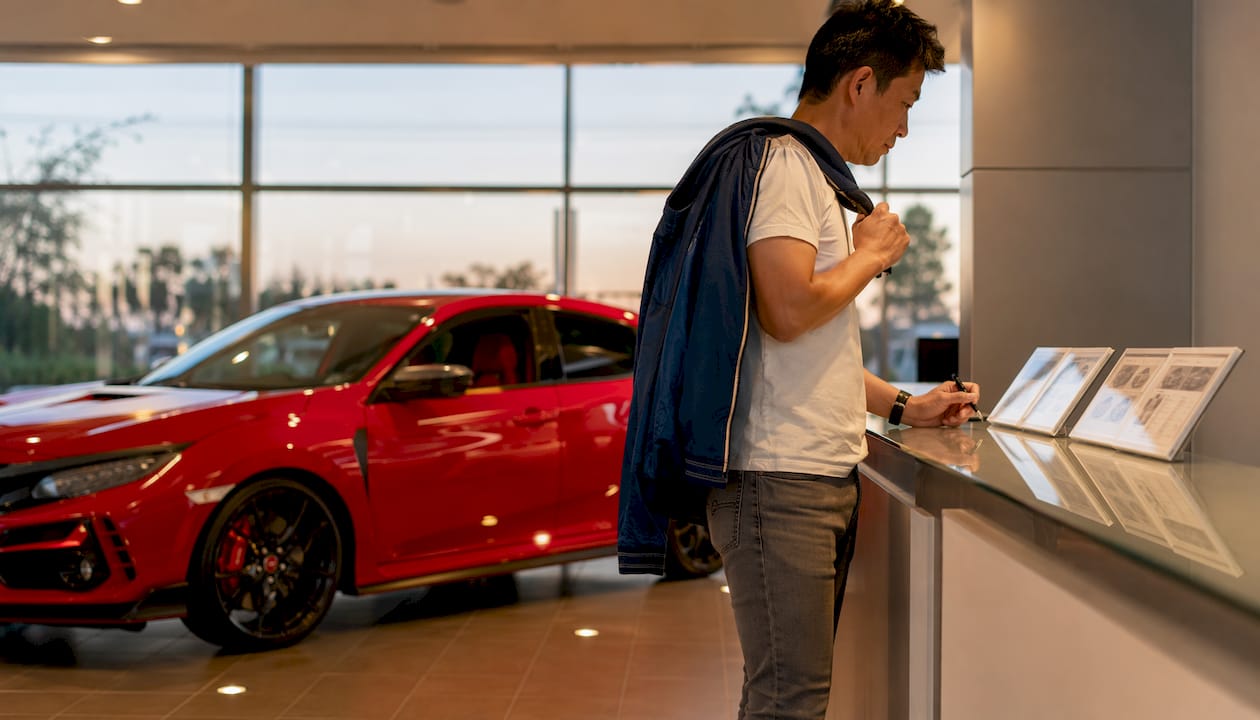
Why collectible: Top of Honda's performance hierarchy; manual-only; limited Championship White examples with red interior command premiums. Current price band: $38,000–$55,000 for clean, low-mileage examples. Buying checks: Confirm no track abuse (brake dust buildup, worn pads), verify original Michelin Pilot Sport Cup 2 tires are present or accounted for, check for aftermarket ECU tunes that void warranty history.
2. BMW 1-Series M (2011)
BMW built a limited number of 1-Series M cars globally, making it one of the rarest M cars of the modern era. It uses the S65-derived N54 twin-turbo straight-six, a manual gearbox, and a body narrow enough to feel like a proper driver's car. Prices have climbed steadily because supply is genuinely constrained.
Why collectible: Extremely limited global production; last narrow-body M car before the platform grew; manual-only. Current price band: $55,000–$90,000 depending on mileage and condition. Buying checks: Inspect for rod bearing wear (a known N54 concern), confirm original Valencia Orange or Sapphire Black paint (repainted cars lose value fast), and verify the build sheet matches the VIN.
3. Honda S2000 (1999–2009)
The S2000 was Honda's 50th-anniversary halo car, built around a 9,000-rpm naturally aspirated four-cylinder that remains one of the highest-revving production engines ever fitted to a road car. Road & Track consistently names it among modern cars destined for classic status, citing drivability and engineering purity as the decisive factors.
Why collectible: Record-setting specific output for a naturally aspirated engine at launch; pure roadster format; strong enthusiast community sustaining demand. Current price band: $25,000–$50,000 for stock, low-mileage AP1 and AP2 examples; pristine examples with under 30,000 miles push higher. Buying checks: Look for rust at the frame rails and rocker panels, confirm the soft top mechanism operates correctly, and avoid any example with a modified ECU or non-stock exhaust that affects emissions compliance.
4. Porsche 911 GT3 (various modern generations)
Every generation of the 991 and 992 GT3 has appreciated from its list price within a few years of production ending. The GT3 sits at the apex of the naturally aspirated 911 lineup, and Porsche's decision to keep the flat-six screamer in an era of turbocharged everything has only deepened its appeal. Limited production combined with a position at the top of the manufacturer's hierarchy is the textbook formula for long-term value.
Why collectible: Naturally aspirated flat-six in a turbocharged era; motorsport-derived suspension; allocation-controlled supply. Current price band: $180,000–$250,000 for recent 992 GT3 examples; 991.2 GT3 RS models trade higher. Buying checks: Verify PDK vs. manual (manuals carry a premium), confirm no track-day incidents via Carfax and PPI, and check that the original Porsche Ceramic Composite Brake option is intact if listed.
5. Ford Mustang Shelby GT350 / GT350R (2015–2020)
The GT350's flat-plane-crank 5.2-liter Voodoo V8 is the engineering story that makes this car special. Ford built it specifically to rev to 8,250 rpm, a figure no other American production V8 has matched. The GT350R, with its carbon fiber wheels and stripped-out track focus, is the rarer and more collectible variant.
Why collectible: Unique flat-plane V8 architecture; GT350R carbon wheels are a one-of-a-kind American production first; strong motorsport heritage. Current price band: $55,000–$75,000 for GT350; GT350R examples in excellent condition regularly exceed $85,000. Buying checks: Confirm the Voodoo engine has no oil consumption issues (a documented early concern), verify carbon fiber wheels are undamaged (replacement cost is significant), and check for track use via brake rotor condition and tire wear patterns.
Pro Tip: GT350R examples in Avalanche Gray or Liquid Gray with the full Shelby documentation package consistently attract the strongest bids at auction. Option codes and color rarity move value more than mileage alone on this model.
6. Dodge Viper (2013–2017)
The fifth-generation Viper is the last of a dying breed: an 8.4-liter V10, no stability control on early models, and a manual gearbox as the only option. Dodge ended production in 2017, and the ACR (American Club Racer) variant set multiple lap records at tracks including Laguna Seca and Road Atlanta. Total production across the final generation was limited, and the ACR's track-record pedigree gives it a provenance story few modern American cars can match.
Why collectible: Final generation of an iconic nameplate; V10 manual with no electronic safety net; ACR variant holds production-car lap records. Current price band: $70,000–$120,000 for ACR and GTC editions; standard models start lower. Buying checks: Inspect for clutch wear (the heavy V10 is hard on clutches), verify the original Extreme Aero Package is intact on ACR models, and confirm no salvage or rebuilt title history.
7. Nissan GT-R R35 (2007–2022)
When the R35 GT-R launched, its twin-turbo 3.8-liter V6 and dual-clutch all-wheel-drive system delivered supercar performance at a fraction of the price. Early 2008–2009 models are now the most sought-after because they represent the original, uncompromised engineering intent before successive updates softened the car's character. The GT-R Nismo and Track Edition variants carry additional premiums.
Why collectible: Landmark performance-per-dollar at launch; Nismo and Track Edition variants are genuinely scarce; 15-year production run ended in 2022. Current price band: $80,000–$130,000 for clean early examples; Nismo variants trade significantly higher. Buying checks: Pull a full service history for the dual-clutch transmission (fluid changes are critical and often skipped), verify the engine has not been modified beyond factory spec, and confirm the original Brembo brake system is intact.
8. Chevrolet Camaro Z/28 (2014–2015)
Chevrolet built the fifth-generation Z/28 for exactly two model years, fitting it with the 7.0-liter LS7 V8 from the C6 Corvette Z06, carbon ceramic brakes, and a suspension tuned specifically for track use. It was never meant to be a daily driver, and that single-minded focus is precisely what makes it collectible. Hagerty's Bull Market analysis has shown that performance-focused, limited-production American cars with documented track credentials tend to appreciate once the enthusiast community fully recognizes their significance.
Why collectible: Two-year production run; LS7 V8 in a Camaro body; carbon ceramic brakes standard; track-focused pedigree. Current price band: $55,000–$80,000 for low-mileage examples. Buying checks: Verify the carbon ceramic rotors are not cracked (replacement cost is substantial), confirm original Recaro seats are present, and check for any dealer-added modifications that reduce originality.
9. Ford F-150 SVT Raptor (late-model)
Performance trucks are one of the fastest-growing segments in the collector market, and the Raptor is the model that created the category. The first-generation Raptor (2010–2014) with the naturally aspirated 6.2-liter V8 is the version collectors are watching most closely, though the second-generation twin-turbo EcoBoost models are also gaining traction. Hagerty's Bull Market reporting has documented that niche vehicles with strong enthusiast communities, like the Hummer H1 with its ~20% annualized return, can appreciate sharply once supply tightens.
Why collectible: Created the performance truck segment; V8 first-gen models are increasingly scarce; strong off-road and enthusiast community. Current price band: $35,000–$65,000 for clean, low-mileage first-generation V8 examples. Buying checks: Inspect the Fox Racing suspension for wear and leaks, confirm the skid plates and bash guards are original and undamaged, and verify no serious off-road damage to the frame.
10. Mazda RX-8 (2004–2011)
The RX-8 is the last rotary-powered production car Mazda built, and that distinction alone guarantees its place in automotive history. The Renesis engine's 9,000-rpm ceiling and the car's near-perfect 50/50 weight distribution made it a driver's car in the purest sense. Values have been climbing as the enthusiast community recognizes that a clean, unmolested example is increasingly hard to find.
Why collectible: Last production rotary engine; unique engineering legacy; 9,000-rpm naturally aspirated character. Current price band: $12,000–$25,000 for well-maintained, low-mileage examples with documented apex seal service. Buying checks: Compression test the rotary engine before purchase (apex seal wear is the critical failure point), confirm the catalytic converter is original, and verify no flooding damage from cold-start neglect.
11. Subaru WRX STI (various modern generations)
The STI's appeal is built on rally heritage, a symmetrical all-wheel-drive system, and a turbocharged flat-four that enthusiasts have admired since the GC8 era. The final-generation STI (2018–2021) is the most collectible of the modern variants because Subaru ended the nameplate without a direct successor, making clean, stock examples increasingly scarce. The S209, a U.S.-market-only limited edition, is the most desirable variant.
Why collectible: Final generation of a legendary nameplate; S209 is U.S.-exclusive and limited to 209 units; strong rally heritage. Current price band: $35,000–$55,000 for standard final-gen STI; S209 examples trade from $65,000 upward. Buying checks: Inspect for signs of track or autocross use, confirm the original Brembo brakes are present on S209 models, and verify the EJ25 engine has no head gasket history (a well-documented concern on this platform).
12. Porsche 718 Spyder / 718 Spyder RS (2020s)
The 718 Spyder and its more focused sibling, the Spyder RS, represent Porsche's commitment to naturally aspirated performance in the mid-engine roadster format. The Spyder RS, in particular, uses the GT4 RS's 4.0-liter flat-six and is allocation-controlled in the same way as the GT3. Hagerty's valuation tracking has shown that limited-run Porsches with GT-derived powertrains tend to command premiums over list price within months of delivery.
Why collectible: GT4 RS engine in a roadster body; allocation-controlled supply; naturally aspirated in a turbocharged era. Current price band: $120,000–$180,000 for Spyder RS; standard Spyder trades lower. Buying checks: Confirm the Weissach Package is documented if listed (it adds significant value), verify no track incidents, and check that the PDK or manual transmission matches the original build sheet.
How to spot a collectible modern car before the market does
The criteria collectors and professional appraisers use are consistent across models. Understanding them lets you evaluate any candidate, not just the ones on this list.
The core checklist
- Limited production or allocation control. Cars built in small numbers or distributed through dealer allocation create genuine scarcity. Factory build counts matter more than marketing claims.
- Position in the manufacturer's performance hierarchy. The top-of-range model in a performance lineup (GT3, not Carrera; Z/28, not SS) carries the strongest long-term signal.
- Drivetrain novelty or engineering significance. A flat-plane V8, a rotary engine, or a naturally aspirated flat-six in a turbocharged era all represent engineering decisions that won't be repeated.
- Manual transmission availability. As automatics and dual-clutch units dominate, manual-equipped variants of performance cars are commanding growing premiums. This trend is well-documented and accelerating.
- Motorsport ties or homologation purpose. Cars built to satisfy racing regulations or carrying genuine track-record pedigree have a provenance story that sustains value independently of market trends.
- Special options and factory color combinations. Rare factory colors, track packages, and documented option codes move auction results meaningfully. A GT350R in Avalanche Gray with full Shelby documentation is not the same car as a base GT350 in white.
- Originality and documented ownership history. Unmodified examples with complete service records and original equipment consistently outperform modified or undocumented cars at auction. Provenance documentation is not optional for serious collector purchases.
Comparative criteria at a glance
| Criterion | What to look for | Red flag |
|---|---|---|
| Rarity / production numbers | Factory build count limited globally | "Limited edition" with no documented count |
| Performance hierarchy | Top-spec model in manufacturer's lineup | Mid-range trim with cosmetic upgrades |
| Tech significance | Unique engine, drivetrain, or chassis tech | Shared platform with no distinguishing feature |
| Motorsport connection | Lap records, homologation, factory racing | Marketing tie-in with no on-track results |
| Manual transmission | Original factory manual gearbox present | Converted or swapped transmission |
| Provenance | Build sheet, service stamps, single owner | Gaps in service history, multiple owners |
| Condition | Original paint, original equipment, low mileage | Repaint, aftermarket wheels, modified ECU |
Red flags that kill collector value
Heavy modification is the single biggest value destroyer. Aftermarket turbos, suspension swaps, and ECU tunes make a car faster but remove the factory-spec originality that collectors pay for. Salvage or rebuilt titles are disqualifying for most serious buyers. Undocumented maintenance on a high-performance engine (particularly rotary or high-revving naturally aspirated units) creates uncertainty that suppresses bids.
Pro Tip: A lightly modified example can still hold collector interest if the modifications are period-correct, reversible, and documented. A GT-R with a factory-spec ECU tune from a Nissan dealer, for instance, is a different proposition from one with an anonymous tune and no paperwork. Reversibility and documentation are the two tests.
Price ranges and timing: when to buy and what to expect
Not every collectible modern car follows the same appreciation curve. Understanding the difference between an instant collectible and a long-term future classic changes how you approach the buy-in decision.
Instant collectibles command premiums over list price almost immediately after delivery. The Porsche 992 S/T is the clearest recent example: condition #1 values rose dramatically within months of release, driven by allocation scarcity and enthusiast demand. The Corvette C8 ZR1 followed a similar pattern. These cars require fast action and often a dealer relationship to acquire at or near list price.
Long-term future classics follow a different path. They depreciate initially, reach an affordable plateau, and then appreciate as the generation that grew up with them enters peak earning years. The Honda S2000, the Shelby GT350, and the Camaro Z/28 all fit this profile. Buyers who purchased these at their depreciation floor have seen meaningful gains.
- Entry band ($12,000–$40,000): Mazda RX-8, early WRX STI, first-gen Raptor V8. These are long-horizon plays where patience and originality matter most.
- Mid band ($40,000–$90,000): Honda Civic Type R, BMW 1-Series M, GT350, Camaro Z/28, Dodge Viper standard models. The sweet spot for buyers who want a collectible they can still use occasionally.
- High band ($90,000 and above): Nissan GT-R Nismo, Porsche 911 GT3, 718 Spyder RS, Viper ACR. These are already recognized by the market; appreciation from here is slower but more stable.
The "$3,000 rule" is a practical screening heuristic used by experienced collectors: if a car's current market price is within $3,000 of its depreciation floor (the lowest it has traded in recent years), it is likely at or near the inflection point between depreciation and appreciation. Tracking auction results on platforms like Hagerty's valuation tool and timing your sale or purchase around that floor is the most disciplined way to enter the market.
Appreciation horizons vary. Instant collectibles can cool if a manufacturer releases a too-similar successor, so provenance and documented ownership history help insulate value over time. Long-term plays typically require a five-to-ten-year horizon before meaningful appreciation materializes.
How experienced collectors and dealers source and verify modern collector cars
Sourcing a clean, provenance-verified modern collector car is harder than it looks. The best examples rarely appear on general used-car platforms; they move through specialist channels.
Sourcing channels that matter
- Concierge and vehicle-finding services. Dealers with collector-market expertise maintain networks of private sellers and auction consignors. A sourcing consultation with a specialist dealer often surfaces cars that never reach public listings.
- Specialist auctions. Mecum, Barrett-Jackson, and Bring a Trailer all handle modern performance cars, and early auction results are the most reliable real-time valuation data available. Hagerty's valuation tools incorporate these results to track condition-specific price trends.
- Factory-order records and build sheets. For allocation-controlled models like the GT3 or 718 Spyder RS, the original factory order documentation confirms spec authenticity and is worth requesting from any seller.
- Owner communities and registries. Model-specific clubs (Viper Club of America, GT350 Registry) maintain records of known examples and can flag cars with problematic histories before you spend money on a pre-purchase inspection.
Provenance verification checklist
- VIN decoding against the factory build sheet to confirm original engine, transmission, and option codes.
- Service stamp continuity: every major service interval documented at a franchised dealer or recognized specialist.
- Original equipment confirmation: wheels, brakes, exhaust, and interior components matching the factory spec.
- Title history check via Carfax or AutoCheck for salvage, flood, or rebuilt designations.
- Pre-purchase inspection (PPI) by a marque specialist, not a general mechanic. A Porsche PPI by an independent Porsche specialist costs a few hundred dollars and can save tens of thousands.
Low-mileage examples with unbroken service records consistently command the strongest prices at auction and in private sales. Mileage alone is less important than the quality and completeness of documentation.
Collector insurance is a practical consideration from the moment of purchase. Policies from specialists typically require secure garage storage and limit annual mileage, commonly up to around 7,500 miles, with use restricted to collector events rather than daily driving. Factor those requirements into your ownership plan before you buy.
Key Takeaways
The strongest examples of collector-worthy modern cars share three traits: genuine scarcity, a clear position at the top of their manufacturer's performance hierarchy, and documented originality that survives the scrutiny of a professional appraisal.
| Point | Details |
|---|---|
| Top shortlist models | Honda S2000, BMW 1-Series M, Shelby GT350R, Porsche 911 GT3, Dodge Viper ACR, and Camaro Z/28 lead the field on scarcity and pedigree. |
| Three selection criteria | Limited production, top-of-hierarchy performance spec, and drivetrain novelty are the most reliable predictors of long-term collector value. |
| Buying priority | Originality and complete service documentation outweigh low mileage alone; unmodified examples consistently outperform modified ones at auction. |
| Timing strategy | Long-term plays (S2000, GT350, RX-8) reward patience at the depreciation floor; instant collectibles (GT3, 718 Spyder RS) require fast action near list price. |
| Autovendorsfl sourcing | Autovendorsfl offers personalized vehicle-finding and provenance verification services for buyers seeking specific collector models in the Fort Lauderdale area. |
Next actions:
- Track valuations monthly on Hagerty's valuation tool for your target model.
- Secure a full build sheet and service history before any offer.
- Arrange a marque-specialist PPI before closing.
- Confirm collector insurance eligibility and storage requirements.
Why these picks hold up under scrutiny
The conventional wisdom in collector car circles is that you should buy what you love and the money will follow. That's half right. Emotional connection matters, but it's not sufficient. The models on this list were chosen because they satisfy both conditions: they are genuinely desirable to drive, and they have concrete market signals, limited production, engineering distinction, or documented auction premiums, that support the collectibility case independently of sentiment.
What most enthusiast guides underestimate is the role of the manufacturer's own hierarchy in protecting value. A GT350R is not just a fast Mustang; it is the car Ford built to prove what the Voodoo engine could do at the absolute limit. That positioning is baked into the car's identity in a way that no aftermarket modification can replicate or enhance. The same logic applies to the 1-Series M, the Z/28, and the 718 Spyder RS. Each one sits at the top of a lineup that no longer exists in the same form, which means supply is permanently fixed.
The caution worth carrying into any collector purchase: appreciation is not guaranteed, and the timeline is rarely short. A five-to-ten-year ownership horizon, combined with disciplined attention to originality and documentation, is the realistic framework. Anyone expecting a quick flip should look elsewhere.
Find your next collector car with Autovendorsfl
Knowing which cars to target is only half the challenge. Finding a clean, provenance-verified example at a fair price is where most buyers lose time and money. Autovendorsfl, based in Fort Lauderdale, specializes in sourcing premium and collector-grade vehicles with the kind of hands-on attention that general used-car platforms cannot offer.
The dealership's services cover the full acquisition process:
- Personalized vehicle finding: Tell the team which model, year range, and spec you're targeting, and they will search their network to locate matching inventory.
- Provenance and condition review: Every vehicle is assessed for documentation quality, original equipment, and title history before it reaches a buyer.
- Trade-in valuation and financing: Existing vehicles can be appraised and applied toward a purchase, with financing options available for qualified buyers.
Whether you're looking for a Cadillac for sale in Fort Lauderdale or tracking down a specific performance model, Autovendorsfl's team can help you move from shortlist to keys in hand. Contact the dealership directly to request a sourcing consultation.
Useful sources and further reading
These are the primary sources behind this article, selected for their authority on collector-car valuation and market trends. Valuations change; check these resources regularly to track current market conditions.
- Hagerty Modern Classics overview: The definitive source for understanding how collector insurance, valuation methodology, and demographic trends apply to post-1990 vehicles. Essential reading for anyone new to modern collector cars.
- Hagerty Bull Market List 2023: Annual ranking of the collector vehicles showing the strongest appreciation signals, including the AM General Hummer H1's ~20% annualized return. Useful for identifying which modern models are gaining momentum.
- Hagerty Bull Market Report Card: Follow-up analysis on how Bull Market picks performed, including the C5 Corvette Z06. Valuable for understanding how performance and usability interact with collector demand.
- Hagerty Instant Collectibles analysis: Examines the Porsche 992 S/T, Corvette C8 ZR1, and other models that commanded premiums immediately after delivery. The best available explanation of how instant-collectible dynamics differ from long-term appreciation.
- Road & Track future classics roundup: Editorial list of modern cars likely to become collector cars, with emphasis on drivability and manufacturer pedigree. A useful cross-reference for the models covered here.
- Bloomberg classic car market 2023: Broader market context on collector car values in a year of cooling prices, useful for understanding where the high end of the market sits and how economic conditions affect collector demand.
Valuations shift with auction results, manufacturer announcements, and broader economic conditions. Monitor Hagerty's valuation tool and major auction results at Mecum and Bring a Trailer regularly to stay current on the models you are tracking.