
Limited edition vehicles are defined as automobiles produced in restricted quantities or with unique specifications that distinguish them from standard production models. The types of limited edition vehicles range from performance-focused track editions to cosmetic appearance packages, ultra-rare hypercars, and emotionally charged end-of-era models. Each category carries a different investment profile, and collectors prioritize mechanical upgrades over cosmetic changes when assessing long-term value. Understanding these distinctions is the single most important skill a serious collector can develop before spending significant money.
1. Types of limited edition vehicles: the four core categories
The collector car market organizes special automobiles into four recognized categories: performance editions, appearance packages, hyper-limited hypercars, and end-of-era models. Each category differs in production volume, the nature of its unique features, and its behavior in the resale market. Knowing which category a vehicle falls into tells you more about its future value than any dealer pitch ever will.
Performance editions and end-of-era models consistently attract the strongest collector demand. Appearance packages and some hypercar releases carry more risk. The category a vehicle belongs to is the starting point for every sound investment decision.
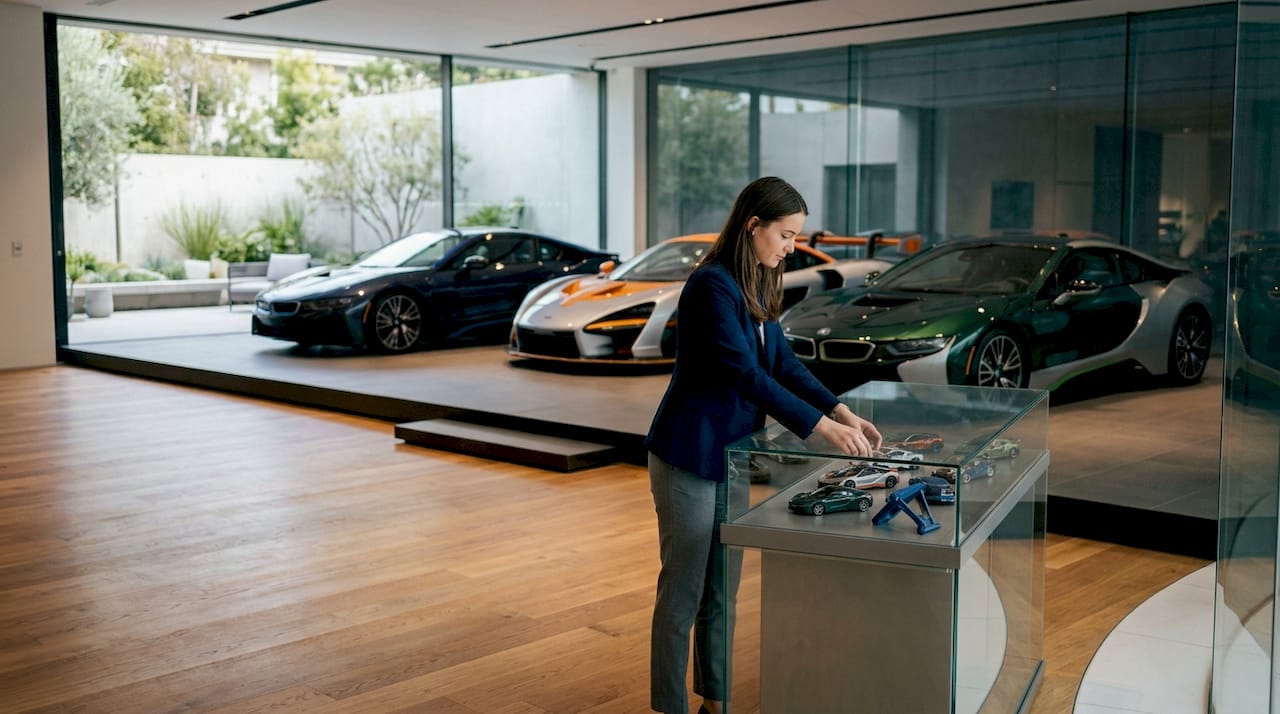
2. Performance-focused limited editions
Performance editions are the most collector-friendly category of special edition automobiles. They include meaningful mechanical upgrades: revised suspension tuning, upgraded brakes, higher-output powertrains, or motorsport homologation hardware. These changes create a genuinely different driving experience, not just a different badge.
Motorsport homologation models are the clearest example. Manufacturers build a minimum number of road cars to qualify a race version for competition. The road car inherits race-derived components, which gives it both a technical story and a direct link to motorsport history. That combination drives long-term collector demand.
Key characteristics that define a true performance edition:
- Factory-installed suspension or powertrain modifications documented in the manufacturer's press release
- Upgraded braking systems beyond the standard specification
- Weight reduction measures such as deleted rear seats or carbon fiber body panels
- Motorsport certification or homologation documentation
- Unique VIN sequences or build plates confirming factory origin
Pro Tip: Always request the original manufacturer brochure and build sheet before purchase. If the performance upgrades do not appear in official factory documentation, the vehicle may be a dealer-installed package with no lasting collectible value.
Collectors who understand vehicle pedigree consistently pay premiums for verified performance editions. The mechanical significance is what separates these cars from the broader pool of special edition automobiles.
3. Appearance package limited editions
Appearance packages are the most common and most misunderstood category of rare car types. These editions feature unique paint colors, badging, interior trim, or wheel designs, but carry no mechanical changes from the base model. They look different. They do not drive differently.
Mass-market limited trims with no performance hardware changes tend to price similarly to base cars for value retention over time. That is a critical fact for collectors to absorb. A unique color does not create a collectible. It creates a used car with a story.
Characteristics of appearance-only editions:
- Exclusive exterior paint or two-tone color combinations
- Special badging, decals, or commemorative plaques
- Unique interior materials such as Alcantara or contrast stitching
- Branded floor mats, key fobs, or accessories
- No changes to engine, transmission, suspension, or brakes
Pro Tip: For appearance package editions, condition and mileage are the primary value drivers. A low-mileage example in original, unmodified condition will always outperform a higher-mileage version regardless of how rare the color is.
The resale risk is real. Dealer-installed appearance packages not listed in official manufacturer brochures carry almost no lasting collectible value. Always verify whether the package is factory-authorized before paying a premium. A pre-owned luxury car inspection can confirm whether the features are original factory fitments or aftermarket additions.
4. Ultra-limited hypercars: exclusivity and economics
Hypercars represent the most extreme end of collectible vehicle variations. Production runs often fall under 50 units, and manufacturers control the buying process as tightly as the engineering. Buyers are vetted for brand loyalty, financial standing, and sometimes their existing collection. Owning one is as much a social credential as a driving experience.
The economics are complex. Hypercar ownership includes strict maintenance requirements, expensive upkeep, and in many cases, resale restrictions enforced by the manufacturer. Some buyers have been blacklisted for flipping cars too quickly. The manufacturer's goal is to protect the brand's exclusivity, not the buyer's profit margin.
Market data shows the volatility clearly. The 2017–22 Ford GT peaked in value initially but declined to $958,000 as supply increased and initial hype faded. That pattern repeats across ultra-limited releases when the story does not sustain long-term demand.
Hypercars with runs of fewer than 50 units often appreciate quickly, but carry real risk. Hype fades, supply increases through estate sales and forced liquidations, and prices can decline sharply after initial peaks. The cars that hold value are those with mechanical significance and a story that outlasts the launch press cycle.
Collectors entering this category need to assess whether the car's story will remain compelling in 10 years, not just 10 months.
5. End-of-era models that drive lasting collector interest
End-of-era models are among the most emotionally and financially compelling limited edition car models available. These are vehicles that mark the final production of a significant technology, configuration, or model generation. The "last manual transmission" version of a beloved sports car. The final naturally aspirated engine in a lineage switching to forced induction. The closing chapter of a platform with decades of motorsport history.
Collectors value these editions for specific, documented reasons:
- They represent a technological endpoint that cannot be recreated once the platform ends.
- They carry a narrative that grows stronger as time passes and the technology becomes rarer.
- Motorsport links or racing heritage amplify their story beyond the road car itself.
- Low take-rate options within high-volume models make certain configurations genuinely scarce.
- The emotional resonance of "the last one" creates sustained demand across multiple collector generations.
Scarcity types that matter most in driving collector desirability include end-of-era status, track focus, and motorsport trims. These are not marketing constructs. They are structural features of the vehicle's place in automotive history.
The narrative weight of an end-of-era model affects pricing in measurable ways. Collectors pay premiums for documented "last of" status because the story is verifiable and permanent. No future model can claim the same position. That irreversibility is what makes these cars worth studying carefully before the market prices them out of reach.
Assessing the narrative requires research. Confirm the claim through manufacturer announcements, automotive press coverage, and production records. A genuine end-of-era model will have a paper trail. A marketing-driven "final edition" of a model that continues under a different name will not hold the same value.
6. Comparing limited edition types: features, scarcity, and market trends
The four categories differ significantly across the factors that matter most to collectors: production volume, mechanical changes, collector appeal, and price stability.
| Category | Production volume | Mechanical changes | Collector appeal | Price stability |
|---|---|---|---|---|
| Performance editions | Moderate (100–1,000 units) | Yes, factory-documented | High | Strong long-term |
| Appearance packages | Varies widely | None | Low to moderate | Weak, condition-dependent |
| Ultra-limited hypercars | Extreme (under 50 units) | Yes, bespoke engineering | Very high initially | Volatile, hype-sensitive |
| End-of-era models | Low to moderate | Often yes | Very high, sustained | Strong and growing |
Dealer markups on instant collectibles can distort entry pricing significantly. Paying a large markup at launch increases the risk of short-term loss if the market cools. Collectors with a long-term horizon generally fare better buying performance editions and end-of-era models at or near MSRP rather than chasing hypercar allocations at inflated prices.
Budget and goals determine the right category. Collectors focused on driving experience and moderate appreciation should prioritize performance editions. Those building a prestige collection with a long time horizon should study end-of-era models carefully. Appearance packages suit buyers who want a unique vehicle for personal enjoyment without expecting significant financial return.
Key takeaways
Mechanical significance and narrative coherence are the two factors that most reliably predict long-term collectible value across all limited edition vehicle categories.
| Point | Details |
|---|---|
| Performance editions lead in stability | Factory-documented mechanical upgrades create verifiable value that cosmetic changes cannot replicate. |
| Appearance packages carry resale risk | Without mechanical changes, condition and mileage become the only real value drivers. |
| Hypercars are volatile investments | Sub-50-unit runs appreciate fast but can decline sharply when hype fades or supply increases. |
| End-of-era models offer sustained demand | Irreversible technological endpoints create permanent narratives that grow stronger over time. |
| Verify factory authorization always | Dealer-installed packages not in manufacturer brochures carry almost no lasting collectible value. |
What I've learned about spotting a true collectible
The collector car world has a marketing problem. Automakers have learned that scarcity sells, and the result is a flood of "limited editions" that are really just inventory management tools. Small themed batches with unique colors are designed to move stock quickly, not build lasting value. The sneaker-drop model works for footwear. It rarely works for cars.
My honest view is that the word "limited" means almost nothing on its own. What matters is why it is limited and what makes it different. A car built in small numbers because the engineering required it, or because a platform was ending, carries real weight. A car built in small numbers because the marketing team wanted a launch event does not.
Successful collector cars exist at the intersection of mechanical significance, aesthetic coherence, and a compelling story. All three need to be present. One or two out of three produces a nice car. All three produces a collectible.
The advice I give to every enthusiast who asks: read the manufacturer's press release, not the dealer's pitch. If the mechanical upgrades are not documented in the factory literature, they may not exist. And if the "story" is just a color name and a numbered plaque, the market will figure that out faster than you expect.
— Allen
Autovendorsfl's approach to rare and collectible vehicles
Collectors who want to source limited edition vehicles with confidence need more than an inventory list. They need expert assessment of mechanical significance, factory authorization, and narrative strength.

Autovendorsfl specializes in curating premium and rare vehicle inventory with a focus on exactly those factors. The team at Autovendorsfl evaluates each vehicle's factory documentation, condition, and market position before it enters the inventory. Collectors working with Autovendorsfl get personalized guidance on which editions carry genuine long-term value and which are marketing-driven releases. Contact Autovendorsfl directly at autovendorsfl.com for current inventory and expert appraisal support tailored to your collection goals.
FAQ
What makes a limited edition vehicle collectible?
True collectible status requires mechanical significance, a compelling narrative, and genuine scarcity. Rarity alone does not guarantee value.
How do I verify if a special edition is factory-authorized?
Check the original manufacturer brochure and official press release. Packages not listed in factory documentation are typically dealer-installed and carry no lasting collectible value.
Do appearance package editions appreciate in value?
Appearance-only editions rarely appreciate beyond base model values. Condition and mileage are the primary value drivers for these cars, not the cosmetic features.
Are hypercars a safe investment?
Hypercars carry significant market volatility. Sub-50-unit runs can appreciate quickly but prices can decline as initial hype fades and supply enters the market through resales.
What is an end-of-era model and why do collectors prize it?
An end-of-era model marks the final production of a significant technology or configuration, such as the last manual transmission in a sports car lineage. Its value grows over time because the technological endpoint is permanent and the story becomes more compelling as the technology disappears from new production.