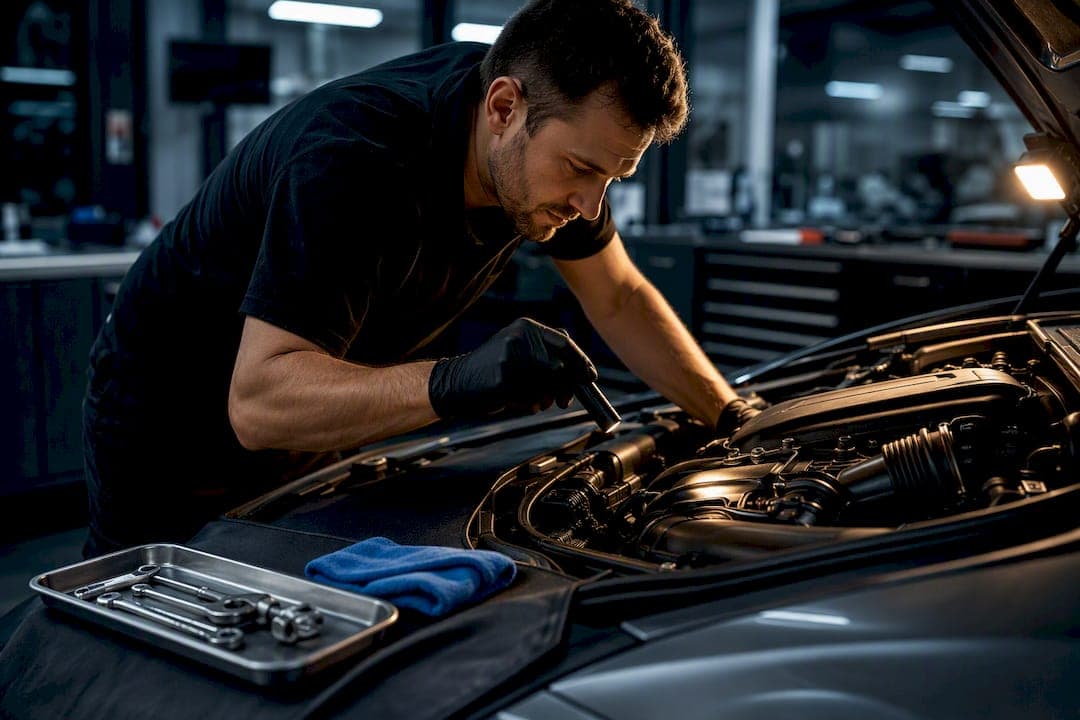
Budget $1,000 to $2,500 for a routine service year and $2,000 to $4,500 for a year that includes a major service, with the final figure swinging on your specific model and whether you use a dealer or an independent shop. A Porsche Scheduled Maintenance Plan can lock those numbers in for up to six years. The simplest planning rule: set aside $150 to $300 a month, and adjust up if you track the car or drive a GT variant.
TL;DR:
- Major service costs can reach up to $4,500 for high-mileage or track-oriented models like the 911 GT3 and Turbo variants.
- Labor-intensive jobs, such as water pump or PDK transmission repairs, significantly inflate maintenance bills due to complex access requirements.
- Model-specific expenses include air suspension replacements for Cayenne, Macan, and Panamera or hybrid cooling systems for Panamera E-Hybrid and Taycan.
- Maintaining scheduled services, especially brake fluid and PDK fluid changes, is essential to avoid costly transmission or brake failures.
- Prepaying for a Porsche Scheduled Maintenance Plan provides cost predictability for low-mileage, newer cars, but independent specialists can save money on older or higher-mileage vehicles.
Table of Contents
- What Does Porsche Maintenance Cost by Model?
- Why Does Porsche Cost So Much to Maintain?
- How Often Does a Porsche Need Service?
- Dealer, Independent, or PSMP: Which Saves You More?
- How Should You Budget for Porsche Ownership?
- Considerations on Reducing Ownership Risk
- My Take on the Real Cost Conversation
- Sources
What Does Porsche Maintenance Cost by Model?
Every Porsche model carries a different maintenance personality, and that shapes the annual number more than most buyers expect. A base Cayenne and a GT3 share a badge but not a budget.
RepairPal puts the average annual repair cost across the Porsche lineup near $1,192, which already sits above the industry average for mainstream brands. That figure is a floor, not a ceiling, once you factor in tires, brake wear, and the occasional major service.
| Model | Routine-year range | Major-service-year range | Biggest cost drivers |
|---|---|---|---|
| 911 | $1,000–$2,500 | $2,500–$4,500 | Tires, brakes, PDK service, rear-heavy tire wear |
| 718 Boxster/Cayman | maintenance costs vary considerably. |
Costs increase during major service years | Water pump access, clutch or PDK fluid, brakes | | Cayenne | maintenance costs vary considerably.
Costs increase during major service years | Air suspension components, larger brake sets, oil capacity | | Macan | $1,000 to $2,500 | $2,000 to $4,500 | Suspension bushings, brake wear from added weight | | Panamera | maintenance costs vary considerably.
Costs increase during major service years | Air suspension, hybrid battery and cooling systems on E-Hybrid trims | | Taycan | maintenance costs vary considerably.
Costs increase during major service years | Tire wear, brake fluid, no engine oil or spark plugs | | GT models (GT3, GT4, Turbo variants) | maintenance costs vary considerably with track use | costs increase significantly during major service years | Track-spec brakes, PCCB, carbon components, aggressive tire cycles |
A few patterns stand out once you line the models up side by side:
- The 911 and 718 lean on tires and brakes as their steadiest expense, especially with wider rear rubber wearing faster than most drivers assume.
- Cayenne, Macan, and Panamera all carry air suspension components that eventually need replacement, and that job is rarely cheap.
- The Panamera's hybrid variants add cooling and battery-system checks that gas-only Porsches never see.
- The Taycan skips oil changes and spark plugs entirely, but its instant torque chews through tires faster than most owners expect.
- GT and track-focused models are true outliers. Carbon ceramic brakes, aggressive tire compounds, and track use can push annual costs well past $5,000.
Why Does Porsche Cost So Much to Maintain?
Parts pricing and labor packaging explain most of the sticker shock, not exotic engineering alone. A water pump replacement on some models requires stripping down components that were never designed for quick access, and that labor time adds up fast.
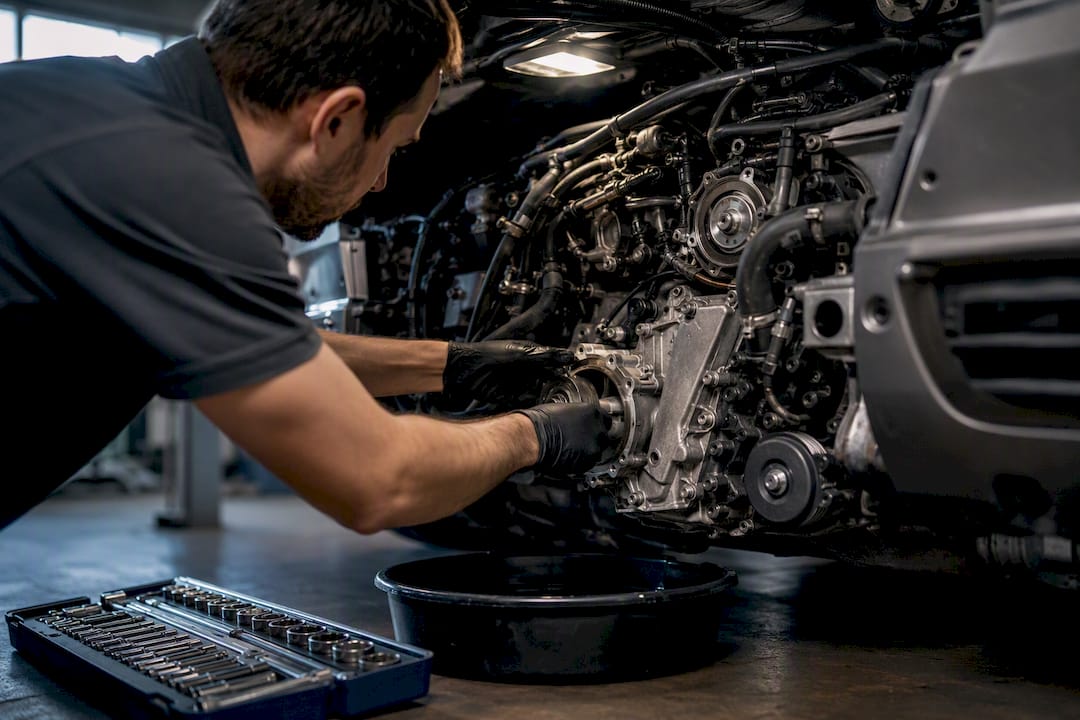
Reporting on Porsche's service pricing points to labor hours, not just parts markup, as the real driver behind many high invoices. A job that takes 45 minutes on a mainstream sedan can take three hours on a 911 because of how tightly the engine bay is packaged.
A few specific factors push bills higher:
- OEM parts carry a premium over aftermarket equivalents, and some components are only available through Porsche's supply chain.
- Spark-plug and air-filter changes on certain models require partial engine disassembly, turning a routine job into a half-day project.
- High-performance options like Porsche Ceramic Composite Brakes (PCCB), carbon-fiber trim, and hybrid components cost dramatically more to replace than standard parts.
- Track driving accelerates wear on tires, brakes, and fluids far faster than street-only use, sometimes cutting service intervals in half.
Pro Tip: Ask your shop for a combined-job estimate before authorizing work. Technicians often find "while you're there" issues once a car is already disassembled, and bundling those repairs into one labor session saves you a second teardown fee.
How Often Does a Porsche Need Service?
Porsche structures its maintenance around three tiers, as detailed in how auto service intervals are determined for your car, and knowing which one you're due for helps you predict the bill before it arrives.
- Minor service (roughly every 10,000 miles or one year): oil and filter change, multi-point inspection, fluid top-offs. Typically $200 to $400 at an independent shop, $300 to $600 at a dealer.
- Intermediate service (roughly every 20,000 miles or two years): everything in the minor service plus brake fluid flush, cabin filter, and a closer inspection of suspension and drivetrain components. Expect $500 to $900 independently, $700 to $1,200 at a dealer.
- Major service (roughly every 40,000 miles or four years): spark plugs, coolant, drive belts, and a full inspection of the PDK transmission and cooling systems. This is where costs jump to $1,500 to $3,000 or more.
Brake fluid deserves its own mention because it's time-based, not mileage-based. Porsche calls for a change every two years regardless of how far you've driven, since fluid absorbs moisture over time and that reduces braking performance. Skipping it is one of the cheapest mistakes to avoid and one of the most expensive to ignore.
PDK service also runs on its own clock, and neglecting it is a common source of catastrophic repair bills. Owners who skip scheduled PDK fluid changes risk transmission damage that can run into five figures.
Dealer, Independent, or PSMP: Which Saves You More?
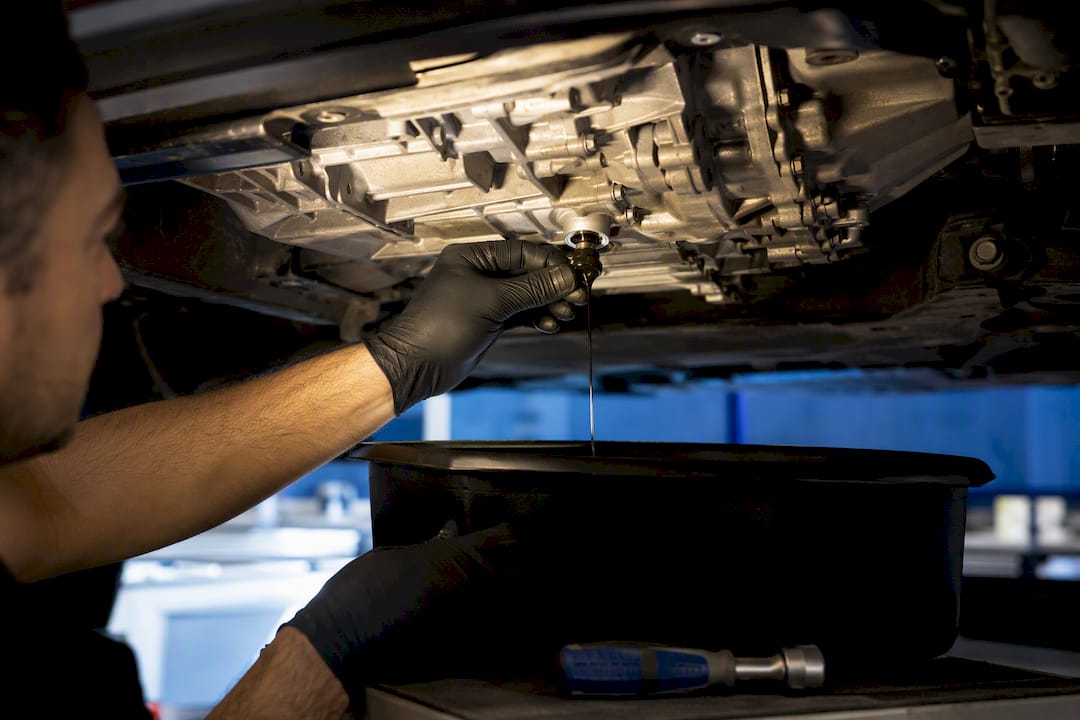
Dealer pricing and independent-specialist pricing rarely match, and the gap widens as the job gets bigger. A basic oil service might run $150 more at a dealer, but a major service or PDK fluid change can carry a $500 to $1,000 premium over a reputable independent shop.
Porsche's own Scheduled Maintenance Plan sidesteps that comparison entirely by letting you prepay and lock in current labor and parts rates for up to six years. That's most valuable for buyers who plan to keep a low-mileage car on a predictable schedule and want factory-documented service history for resale.
- PSMP tends to pay off for new-car buyers who drive consistent annual mileage and want price certainty.
- Independent specialists tend to win for used-car buyers, especially once the factory warranty has expired and mileage climbs.
- Vetted independents often charge less for the same parts and labor, provided they carry Porsche-specific training and use OEM or OEM-equivalent components.
| Decision factor | Favors PSMP | Favors independent specialist |
|---|---|---|
| Car age/mileage | New or low-mileage | Higher mileage, out of warranty |
| Priority | Cost predictability | Lower per-job cost |
| Resale plans | Factory-documented history | Less concern about factory paperwork |
Before trusting an independent shop, check their credentials, ask for references, and cross-check their reputation on Porsche-specialist owner forums.
How Should You Budget for Porsche Ownership?
A flat monthly reserve beats scrambling for a surprise invoice. Owner-reported estimates suggest $150 to $300 a month, or roughly $1,800 to $3,600 a year, is a realistic baseline depending on model and driving style. Track-driven cars and GT variants should push toward the higher end or beyond.
Before buying, verify a few specific items that predict future costs:
- PDK service history, including exact intervals and whether any were skipped.
- Water pump replacement records, since packaging makes this job expensive to redo.
- Whether the car has PCCB, since replacement brakes on those systems cost far more than standard steel rotors.
- Brake fluid change dates, given the two-year mandatory interval.
Pro Tip: Request the option codes sticker or build sheet before purchase. It confirms exactly which high-cost systems, like PCCB or air suspension, the car actually has, so you're not guessing at future repair exposure.
Track use changes this math entirely. A car driven hard on weekends needs tighter reserve targets and more frequent brake and tire budgeting than a garage-kept commuter.
Considerations on Reducing Ownership Risk
Buying the right Porsche matters as much as budgeting for it. A luxury car purchase benefits from a hands-on inspection process and personalized vehicle finding assistance, so buyers can consider service history, option codes, and known wear points before committing.
A pre-owned luxury car inspection checklist catches the same red flags this article covers: skipped PDK intervals, unverified water pump work, and undocumented PCCB replacements. Pairing that diligence with flexible financing options and warranty support helps buyers control the ownership costs that catch most new Porsche owners off guard. Explore current inventory at Autovendorsfl to start with a vehicle that's already been vetted for the issues that drive repair bills.
My Take on the Real Cost Conversation
Most Porsche cost articles treat every model as interchangeable, and that's the biggest disservice to buyers. A Taycan owner worrying about spark plugs is wasting energy on a problem that doesn't exist for them, while a Cayenne owner ignoring air suspension wear is setting up a bill that could hit four figures in one shot.
The PSMP conversation also gets oversimplified. Prepaid plans get pitched as a universal smart move, but they're really a tool for a specific buyer: someone driving predictable mileage on a car young enough that six years of coverage still means something. Buy a ten-year-old 911 with unknown service history, and a vetted independent specialist who can actually inspect the car's real condition will likely save more money than any prepaid plan ever could.
What gets underestimated most is packaging. People assume high maintenance costs trace back to exotic engineering, when in reality a lot of it comes down to how tightly Porsche fits components into the engine bay. That's a design choice, not an inevitability, and it's exactly why labor hours, not just parts, dominate so many invoices.
— Allen
Sources
- Porsche Scheduled Maintenance Plans
- Why Porsche maintenance tends to be pricey — Jalopnik
- Porsche Maintenance Costs 2026 Guide | HOUSE Automotive
- Porsche 911 maintenance cost guide — LuxuryCarsGuide