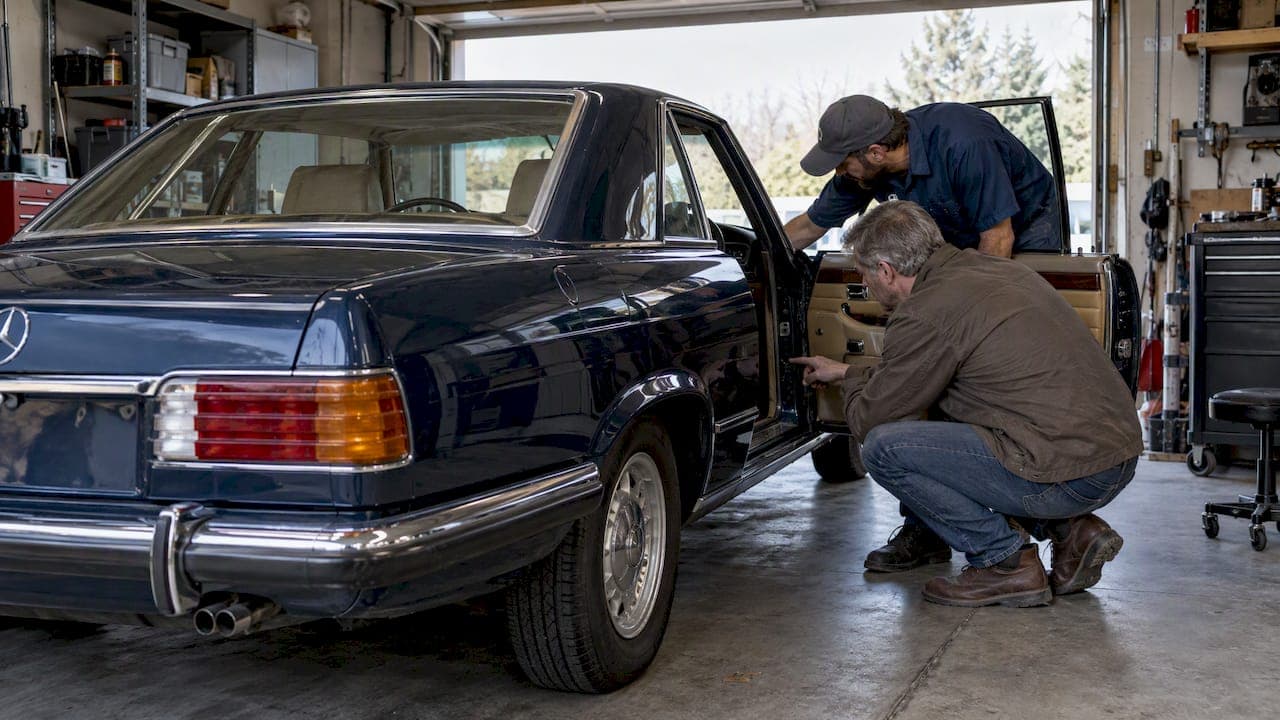
For rare, classic, or exotic cars, your fastest safe route is a specialist locator or broker that combines aggregator search, auction monitoring, and provenance checks. Start by submitting a detailed written brief covering exact specifications and budget, then require a VIN and title check plus an independent mechanical inspection before any money changes hands. Those two steps protect you from the two most common rare-car mistakes: chasing a vague lead and skipping verification on a car you have already fallen in love with.
TL;DR:
- Using aggregator tools, auction monitoring, and dealer networks increases the chances of finding rare cars before they appear on public listings.
- A detailed, specific request including VIN, target price range, and provenance helps locate realistic leads and shortens search timelines.
- Inspection reports tied to the VIN, including mechanical and provenance checks, are essential to avoid overpaying or acquiring cars with hidden issues.
- Search timelines can vary from days to months, depending on how narrow the specifications are and the availability of matching cars.
- Cross-border buyers must verify import regulations, customs duties, and compliance standards early to prevent costly legal issues after purchase.
Table of Contents
- How a rare-car locator engagement works, step-by-step
- What to include in your locator request (a checklist that gets results)
- Where professional locators search for off-market cars
- Verification and due diligence you must insist on before committing
- Typical timeline and fee models for a rare-car search
- Legal considerations and import regulations for cross-border purchases
- Insurance options and recommendations during search and transport
- Common challenges and risks in locating rare cars and how to mitigate them
- How to evaluate and select a reputable rare car locator service
- Post-locator engagement steps: negotiation and purchase finalization
- What sourcing a rare car actually looks like on the ground
- Auto Vendors Inc's Car Finder service: how to start
- FAQ
- Sources
How a rare-car locator engagement works, step-by-step
A locator service turns a vague wish into an active search through a predictable sequence. Understanding each stage helps you set expectations and spot a sourcing partner who knows what they are doing.
- Intake and agreement. You describe the car and your terms; the locator confirms scope, fees, and communication cadence before searching begins.
- Active monitoring. The locator watches auction calendars, dealer inventory, and private channels daily rather than checking occasionally like a casual buyer would.
- Candidate vetting. Each potential match gets a first pass on title status, mileage consistency, and visible condition before it reaches you.
- Reporting and decision. You receive photos, a condition summary, and provenance notes so you can decide whether to pursue a deeper inspection.
- Closing support. The locator coordinates transport, paperwork, and sometimes financing once you commit to a vehicle.
Deliverables vary by provider, but a competent one gives you more than a listing link: a verified vehicle report, honest photos of flaws, and a clear paper trail on ownership history. Some dealerships fold this service into the purchase at no separate charge, treating it as part of helping you find the right car. Independent brokers, by contrast, typically charge a standalone fee regardless of whether you buy anything, so it pays to know which model you are entering before you sign anything.
What to include in your locator request (a checklist that gets results)
A locator can only move as fast as the information you give them. Vague requests produce vague results, while specific ones let a sourcing team prioritize real leads over long shots.
- Year, make, model, and trim, plus VIN or chassis numbers if you already know of specific cars.
- Target price and the maximum mileage or condition grade you will accept.
- Required documentation or provenance, such as original window sticker, service records, or matching-numbers confirmation.
- Non-negotiable specs: color, factory options, and whether aftermarket modifications are acceptable.
- Timeline for delivery and your preference for shipping versus personal collection.
Pro Tip: State your budget as a range tied to condition ("up to this figure for a numbers-matching car, less for a driver-quality example") so the locator can prioritize realistic leads instead of guessing your flexibility.
Where professional locators search for off-market cars
Consumer classifieds only show a fraction of what is actually available. Professional locators pull from several layers of the market that most buyers never see directly.
- Specialist aggregators such as Classic index auction results, dealer inventory, and private listings across many platforms at once, giving a locator far broader visibility than any single site.
- Major auction houses and consignment platforms list upcoming and past sales, and monitoring them closely matters because rare cars often surface there before anywhere else.
- Broker and dealer networks built over years of transactions, where a phone call can surface a car that was never publicly advertised.
- Enthusiast clubs and private collector circles, where owners sometimes sell quietly to known buyers rather than listing publicly.
- Automated monitoring tools that flag new listings instantly, which beats manual browsing when a rare example can sell within hours of appearing.
Verification and due diligence you must insist on before committing
Enthusiasm moves fast on rare cars; verification should move just as deliberately. Skipping these checks is how buyers end up overpaying for a car with a hidden title problem or a replaced engine block.
- Run a VIN and title history check. Cross-reference the NHTSA's VIN decoding resources against the factory-reported specifications on the car, and confirm odometer disclosure compliance for model years the rule covers.
- Commission an independent mechanical inspection. A written report tied to the VIN and supported by photos gives you leverage in negotiation and protects you from cosmetic restorations hiding mechanical problems.
- Verify provenance. Matching numbers, original service records, and factory paperwork separate a documented example from a car with an uncertain history.
- Request the dealer's Buyer's Guide. Federal guidance requires dealers to post a Buyer's Guide on used cars disclosing warranty terms, and recommends an independent inspection and vehicle history review before you commit.
A written inspection report tied to the VIN is one of the most reliable tools for reducing risk in a high-value purchase, according to FTC guidance on used car buying, because it gives you documented leverage rather than a verbal assurance. Provenance carries similar weight on value: Hagerty notes that two visually similar collector cars can differ substantially in market value when one has verified matching components and complete documentation and the other does not.
Typical timeline and fee models for a rare-car search
Some searches resolve in days when a locator already has a lead; others stretch for months when the specification is tight or the car is genuinely scarce. Expect timeline to track directly with how narrow your requirements are.
- Complimentary locator-with-purchase: often bundled into a dealership's service, with no separate search fee, but it typically draws from that dealer's own networks.
- Flat sourcing fee: a set charge regardless of outcome, useful when you want a defined cost upfront.
- Retainer plus success fee: lower upfront cost with a payment due only when a car is found and purchased.
- Percentage-based fee: calculated against the final purchase price, which rewards the locator for finding a better deal but can also scale costs on expensive finds.
Before signing, confirm refund terms if no match is found, whether the engagement is exclusive, and who handles shipping arrangements and escrow for the deposit.
Legal considerations and import regulations for cross-border purchases
Buying a rare car from another country adds a layer of paperwork that a domestic purchase never touches. Import rules vary significantly depending on the vehicle's age, origin, and whether it meets local safety and emissions standards, so confirm eligibility before you commit to a purchase rather than after the car has shipped.
Title and registration requirements differ by jurisdiction, and a car that is perfectly legal to drive in its country of origin may need modifications or exemptions to be registered where you live. Many markets allow simplified import for vehicles above a certain age under classic or antique exemptions, but the threshold and process vary, so verify the specific rule that applies to your location through your own country's transportation authority rather than relying on general forum advice.
Duties, taxes, and compliance inspections add cost and time that should be built into your budget from the start. A specialist locator with import experience can flag these requirements early, but the responsibility for confirming legal compliance ultimately sits with the buyer. For readers considering a foreign-market model, it is worth reviewing guidance on importing unique foreign-spec vehicles before making an offer, since unwinding a non-compliant import after purchase is far more expensive than confirming the rules beforehand.

Insurance options and recommendations during search and transport
A rare car needs different coverage than your daily driver, and the gap matters most during the vulnerable window between purchase and delivery. Standard auto policies often undervalue collector vehicles because they calculate payouts on depreciated market value rather than agreed value.
Agreed-value policies, offered by specialist collector car insurers, lock in a set payout amount that both you and the insurer accept upfront, which matters enormously if the car appreciates or if replacement parts are scarce. Confirm coverage is active before the car leaves the seller's possession, not after it arrives at your home, since transport is one of the highest-risk periods for damage.
Transport-specific coverage is worth confirming separately from the shipping company's own liability terms, since carrier liability limits are often lower than a rare car's actual value. Ask your locator or broker whether they coordinate with a transport company experienced in enclosed, insured shipping for high-value vehicles, and get the coverage terms in writing before the car is loaded.
Common challenges and risks in locating rare cars and how to mitigate them
The same scarcity that makes a car desirable also makes the search harder. A handful of recurring problems account for most of the frustration buyers report, and each has a practical countermeasure.
Misrepresented condition is the most common issue: photos flatter a car, and written descriptions gloss over rust, accident history, or non-original parts. Counter this by requiring an independent inspection report before committing, not after a deposit is already down.
Title and lien problems surface more often on older or imported cars, where paperwork gaps accumulate over decades of ownership changes. A VIN and title history check closes most of that gap before you negotiate price.
Emotional overpaying happens when a buyer finally finds the exact spec they wanted after months of searching and loses negotiating discipline as a result. Setting a firm maximum price before you start looking, and sticking to it, protects you from your own enthusiasm.
Finally, in private sales specifically, never accept a bill of sale alone as proof of ownership. Confirm the VIN on the title matches the car and check for liens before any funds change hands, since a clean-looking private sale can still carry unresolved debt against the vehicle.
How to evaluate and select a reputable rare car locator service
Not every locator operates the same way, and the right choice depends on how much control you want over the process. A few signals separate a dependable service from one that will waste your time.
Ask how they monitor the market: a locator relying only on manual browsing of public listings offers little advantage over doing it yourself, while one using aggregator tools and auction monitoring reaches inventory you would not find alone. Ask for examples of the kind of reports they produce once a candidate is found, since a locator who cannot describe their verification process in detail likely does not have one.
Clarify the fee structure before you commit, and get it in writing: flat fee, retainer plus success fee, or percentage of purchase price each carry different incentives, and you want to understand which one applies to your search. Confirm whether the engagement is exclusive and what happens if no suitable car turns up within your timeline.
Finally, ask who performs the inspection and provenance checks, and whether that step is included in their fee or billed separately. A locator who treats verification as optional, rather than a built-in part of the process, is not the right partner for a high-value purchase.
Post-locator engagement steps: negotiation and purchase finalization
Finding the right car is only half the job. Once a candidate clears inspection and provenance checks, the negotiation and closing process determines whether the deal actually protects you.
Use the inspection report as your primary negotiating tool rather than a generic lowball offer. Specific findings, such as a worn component documented in the written report, carry far more weight with a seller than a vague request for a discount.
Confirm the full paperwork trail before finalizing: title transfer, bill of sale, any outstanding liens released, and documentation matching the VIN on the title to the VIN on the car itself. For a rare vehicle, keeping a complete record of this process matters beyond the transaction itself, since future buyers and insurers will want the same proof you required. A documentation checklist for collector vehicle acquisitions is worth following here.
Arrange payment through an escrow service or your lender's standard process rather than a direct wire with no protection, particularly on cross-border or long-distance deals. Once the sale closes, schedule your independent inspection findings into your maintenance plan immediately, and consider protective aftermarket work such as paint protection film or window tinting before the car goes into regular use.

What sourcing a rare car actually looks like on the ground
Sourcing teams learn quickly that an algorithm's price estimate means little next to a car's actual condition and paperwork. Two vehicles with identical listings can be worlds apart once you check matching numbers and service history, and that gap is where real value or real risk hides.
The most common client mistake is a vague brief: "find me something fast and old" produces weeks of dead ends that a specific year, trim, and budget range would have avoided. The second is skipping the inspection because the seller "seems trustworthy." A seller's confidence is not a substitute for a written report. The third is an unrealistic budget that ignores the premium rare examples command; adjusting expectations early saves months of frustration later.
— Allen
Auto Vendors Inc's Car Finder service: how to start
A Car Finder service applies the same sourcing discipline described above through a curated selection of premium and luxury vehicles and the kind of personalized attention a rare-car search demands. Rather than browsing listings alone, you work directly with a team that focuses on craftsmanship and elegance in the vehicles it sources, matched to your specifications.
- Share your target make, model, trim, budget, and any required documentation or provenance details to start your search.
- Expect personalized follow-up as candidates are identified, with support coordinating logistics and paperwork once you choose a car.
- Review current curated inventory, including Sedans and SUVs, while your custom search is underway.
Fees and timelines depend on the specific vehicle and search scope, so details are available on request. Start your search directly through the Car Finder page to get the process moving.
FAQ
How to find how rare your car is?
Check production numbers through the manufacturer or an owners' club, and compare your VIN and options against documented examples to see how many were built with the same specification. A rare-car locator or specialist appraiser can confirm this faster than independent research.
What is the $3000 rule for buying cars?
This is not a recognized industry or regulatory standard, and no government or valuation authority defines a fixed dollar threshold by that name. Treat any repair-cost rule of thumb you encounter online with caution and rely instead on an independent inspection report to judge whether a specific car's condition justifies its price.
What is the most rare car to find?
There is no single official ranking of the rarest car, since rarity depends on production numbers, surviving examples, and market visibility, all of which shift over time. Specialist aggregators like CLASSIC.COM and valuation resources such as Hagerty track how scarce specific models are within the collector market.
Where is the best place to find old cars?
Specialist aggregators, major auction houses, and broker networks typically surface more inventory, including off-market cars, than general consumer classifieds. A dealership offering a personalized Car Finder service, such as Auto Vendors Inc, can also search on your behalf using these same channels.
How long does a rare car search typically take?
Searches can resolve in days when a locator already has an active lead, or stretch for months when your specification is narrow and the car is genuinely scarce. Fee structure and timeline usually correlate, since percentage-based and retainer arrangements tend to reward faster, prioritized searches.
Sources
- Classic
- How the Hagerty Price Guide is made - Hagerty Media
- Buying a Used Car From a Dealer | Consumer Advice
- NHTSA press release on odometer disclosures / VIN verification