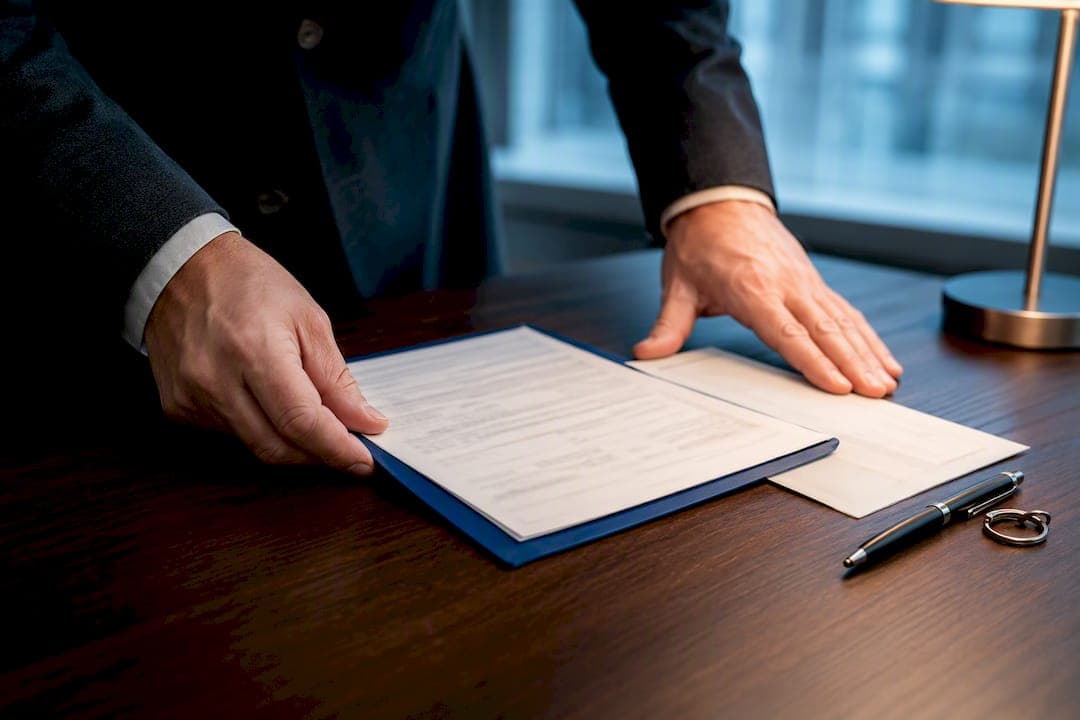
To finish a used car purchase in the United States, you need a valid driver's license, proof of active auto insurance, a properly signed certificate of title (or dealer-issued paperwork that stands in for it), and a confirmed payment method. Financed deals add proof of income to that list. Private-party deals add a bill of sale and an odometer disclosure. Some states also require notarization or extra DMV forms, so it pays to check before you show up with cash or a check in hand.
TL;DR:
- Bring a valid driver's license, proof of insurance, signed title or dealer paperwork, and confirmed payment method to prevent delays during purchase.
- Verify the VIN, title signatures, and get a bill of sale and odometer disclosure when buying from a private seller to avoid legal issues.
- Preapproval with proof of income and residence speeds up financing; avoid last-minute surprises by organizing these documents beforehand.
- Confirm all paperwork is complete and accurate, including title signatures, VIN match, and the Buyers Guide, to prevent registration and title disputes.
- Be wary of red flags such as mismatched VINs, unresolved liens, missing disclosures, or pressure for cash-only payments without proof.
Table of Contents
- What to Bring and Expect When Buying From a Dealer
- What You Must Collect When Buying From a Private Seller
- Financing Paperwork: What Lenders Expect Before You Sign
- Title Transfer, Registration, and Taxes: What Gets Filed and When
- Vehicle History, Recalls, and Inspection Records to Gather
- State Rules Vary. Here's Your Pre-Purchase Checklist
- Allen's Closing Checklist and the Red Flags That Cost Buyers Money
- An Editor's Note on Paperwork and Buyer Protection
- Let Auto Vendors Inc Handle the Paperwork While You Enjoy the Drive
- Where to Verify Forms, Recalls, and Buyer Protections
- Sources
- FAQ
What to Bring and Expect When Buying From a Dealer
Walking into a dealership without the right paperwork is the fastest way to turn a same-day purchase into a two-day errand. You'll need your driver's license, proof of insurance (the dealer may ask for the VIN once you've picked a car), your Social Security number if you're financing, and your payment method squared away, whether that's a cashier's check, a preapproved loan, or dealer financing.
The dealer, in turn, owes you paperwork too. Expect a buyer's order or sales contract spelling out the price and add-ons, the FTC Buyers Guide required on every used car, any warranty or service-contract documents, and temporary tag or registration paperwork to get you legally on the road while the title transfer at the dealership works its way through the system.
If you're trading in a vehicle, bring the current title (or your loan payoff information if it's still financed), your registration, both sets of keys, and service records if you have them. A clean trade-in history can even nudge your offer higher.
Before you sign anything, run through this short checklist:
- Read the Buyers Guide in full. It legally overrides anything a salesperson tells you that isn't written down, according to the FTC's guidance for used car buyers.
- Get every verbal promise added to the contract in writing.
- Confirm the title assignment section is filled out correctly, with no blank fields.
- Ask directly how and when any lien release happens if you're trading in a financed car.
Pro Tip: Call your insurance carrier with the VIN before you head to the dealership. Insurers typically need that number to issue a binder, and doing this ahead of time means you're not standing at the finance desk waiting on hold.
What You Must Collect When Buying From a Private Seller
Private-party purchases put more of the legal weight on your shoulders, since there's no dealer paperwork trail backing you up. The certificate of title is the document that actually transfers ownership, and it needs the seller's signature on the assignment section, with the VIN and seller identity matching what's printed on the title itself.
Four things need your attention before money changes hands:
- Verify the title. Confirm the seller's name matches their ID, and check that the VIN on the title matches the VIN on the dashboard and door jamb.
- Draft a bill of sale. Include the buyer's and seller's names, the VIN, the purchase price, and the date. A bill of sale is required or strongly recommended in many states, and some jurisdictions require it notarized.
- Get the odometer disclosure. Most states require this for vehicles under 10 years old, either printed on the title itself or on a separate state or federal form.
- Ask for proof of release-of-liability. Many states let sellers file a notice of sale to protect themselves from future tickets or tolls tied to the car, and a copy protects you too if a dispute ever comes up.
Pro Tip: Take a photo of the seller's ID and the signed title before you leave the meeting. If a title-fraud question ever surfaces, that timestamped record is worth more than your memory.
Financing Paperwork: What Lenders Expect Before You Sign
Getting preapproved before you shop puts you in a stronger negotiating position and shortens the paperwork at signing. Lenders typically want two or more recent pay stubs or W-2s, and self-employed buyers should bring recent tax returns or bank statements instead to bridge the income-verification gap.
Proof of residence matters too. A utility bill or bank statement dated within the last 30 to 60 days is usually accepted, though exact windows vary by lender.
Here's what to have ready before you walk in:
- Two recent pay stubs or W-2s (or tax returns if self-employed)
- A utility bill or bank statement showing your current address
- Your driver's license and Social Security number
- Trade-in loan payoff information, including your lender's contact and account number, if applicable
Lenders focus heavily on debt-to-income ratios and recent income history when deciding how much to approve. If you're financing through the dealer, they'll usually forward your application and documents to their lending partners directly, which can speed things up compared to arranging financing entirely on your own. If you're trading in a car with an active loan, request a payoff letter from your lender well ahead of time. Lien releases can take days to process, and a stale payoff figure can throw off your final numbers at signing.
Title Transfer, Registration, and Taxes: What Gets Filed and When
Once you've agreed on a price, the paperwork shifts from negotiation to filing. The certificate of title needs the seller's signature, your name and address as the buyer, and the purchase price where the form requires it. Some states, including Maryland, require notarization on title assignments or apply excise tax based on that notarized purchase price.
The bill of sale often does double duty here. Many DMVs use it to calculate sales tax when the title itself doesn't have a price field, which is one more reason to keep that document accurate and legible.
For registration, expect to handle:
- Temporary tags, issued by the dealer or DMV while permanent plates process
- Proof of insurance, required in nearly every state before plates get issued
- Emissions or safety inspection certificates, where your state or county requires them
If your title is delayed, most states offer a temporary registration or a dealer-issued affidavit that lets you drive legally while the paperwork catches up. Ask for this in writing rather than assuming it's automatic. Understanding the full out-the-door price before you sign also helps you spot which fees are taxes, which are titling costs, and which are optional add-ons you can decline.
Vehicle History, Recalls, and Inspection Records to Gather
A signed title tells you who owned the car. It doesn't tell you what happened to it. That's where a VIN-based vehicle history report comes in, flagging past accidents, salvage titles, and odometer inconsistencies you'd otherwise never see.
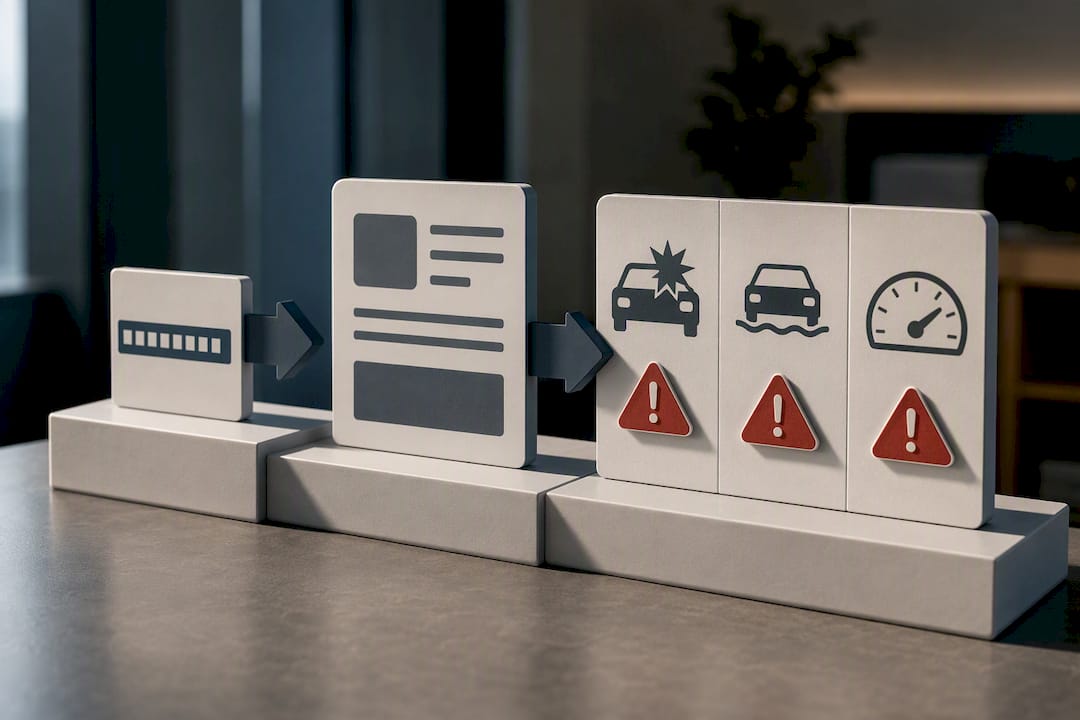
History reports have blind spots, though. The FTC recommends pairing one with an independent mechanic's inspection, since a report can miss mechanical issues that only a hands-on look catches, even on a certified pre-owned vehicle.
Before you commit, collect:
- A vehicle history report pulled with the VIN
- An open-recall check through NHTSA's safecar.gov, plus documentation of any completed recall repairs
- A written inspection report from an independent mechanic, not just a verbal "it's fine"
Pro Tip: Keep digital copies of every report you pull. If a dispute comes up later, dated documentation of the car's condition at purchase is your strongest evidence. A pre-owned inspection checklist gives you a solid framework for what a thorough report should cover.
State Rules Vary. Here's Your Pre-Purchase Checklist
Paperwork rules shift noticeably from state to state. Some require notarized titles, some make a bill of sale mandatory rather than optional, and inspection or emissions requirements swing widely depending on where you live.
Before you buy, confirm:
- Whether your state requires notarization on the title or bill of sale
- Whether a bill of sale is mandatory for registration, not just recommended
- What emissions or safety inspections apply, and where to get them done
- What payment methods your local DMV accepts for taxes and fees
A quick call to your local DMV office, plus downloading the actual forms in advance, saves a wasted trip when you're standing in line with the wrong paperwork.
Allen's Closing Checklist and the Red Flags That Cost Buyers Money
At Auto Vendors Inc, the deals that go sideways almost always trace back to the same handful of paperwork gaps. Before you hand over payment, confirm the title signatures, VIN match, bill of sale, Buyers Guide copy, warranty documents, insurance binder, and payment receipt are all in hand.
Watch for these red flags:
- Names or VINs that don't match across the title, ID, and vehicle
- An open lien showing on the title with no payoff documentation
- Pressure to pay cash only, with no traceable receipt offered
- A missing odometer disclosure on a vehicle under 10 years old
- Any seller or dealer who won't allow an independent inspection
| Checklist item | Why it matters |
|---|---|
| Title signatures match ID | Prevents fraud and registration rejection |
| VIN matches on title, dash, and door jamb | Confirms you're buying the actual vehicle described |
| Bill of sale completed | Needed for tax calculation and registration in many states |
| Buyers Guide received (dealer sales) | Legally overrides verbal promises |
| Insurance binder confirmed before driving off | Required in nearly every state |
An Editor's Note on Paperwork and Buyer Protection
Most buyer headaches trace back to a signature or a form skipped in the rush to drive off the lot. Follow the checklist, insist that verbal promises get written down, and you'll avoid the vast majority of DMV delays and title disputes. Some dealerships play a practical, hands-on role in this process, helping buyers walk through title and registration steps correctly rather than leaving them to guess at DMV language after the fact.
— Allen
Let Auto Vendors Inc Handle the Paperwork While You Enjoy the Drive
Some dealerships offer assistance with title transfer, temporary tag processing, and the Buyers Guide and warranty paperwork walkthrough as part of the purchase, so buyers are not left decoding lien-release timelines by themselves.
A hands-on approach can mean faster closings, fewer trips back to the DMV, and professional handling of trade-in payoff paperwork to help avoid registration delays. If you're browsing inventory, take a look at our current selection of pickups for sale in Fort Lauderdale and reach out to our team to get your paperwork started before you ever set foot on the lot.
Where to Verify Forms, Recalls, and Buyer Protections
- The FTC Buyers Guide explains dealer disclosure requirements in plain language.
- NHTSA's safecar.gov covers open recalls; your state DMV site has current forms.
- Review car loan documentation checklists before applying for financing.
Sources
- What To Bring When Buying a Car | Progressive
- Title | Colorado DMV
- Documents you need to apply for a car loan | Progressive
- FTC used car Buyers Guide (plain-language PDF)
- How to buy a car from a private seller | Nationwide
FAQ
What paperwork should you receive when buying a used car?
At minimum, expect a signed title (or dealer title paperwork), a bill of sale, the FTC Buyers Guide on dealer purchases, any warranty documents, and a payment receipt. Financed buyers also receive loan and lien paperwork from the lender.
What is the $3,000 rule for buying a car?
This isn't a formal legal rule; it's informal budgeting advice suggesting a down payment or trade-in value around that amount to reduce loan size and avoid being upside down on a car loan. It varies by lender and situation, so treat it as a guideline rather than a requirement.
What are the basic steps of the car buying process?
Generally: research and set a budget, get preapproved if financing, find the vehicle, inspect and review its history report, negotiate price, review the Buyers Guide and contract, sign the title and financing paperwork, then complete registration and title transfer at the DMV.
What are red flags to avoid when buying a used car?
Mismatched names or VINs on the title, an unresolved lien, pressure for cash-only payment without a receipt, a missing odometer disclosure, and any refusal to allow an independent inspection all signal you should walk away or dig deeper before signing.