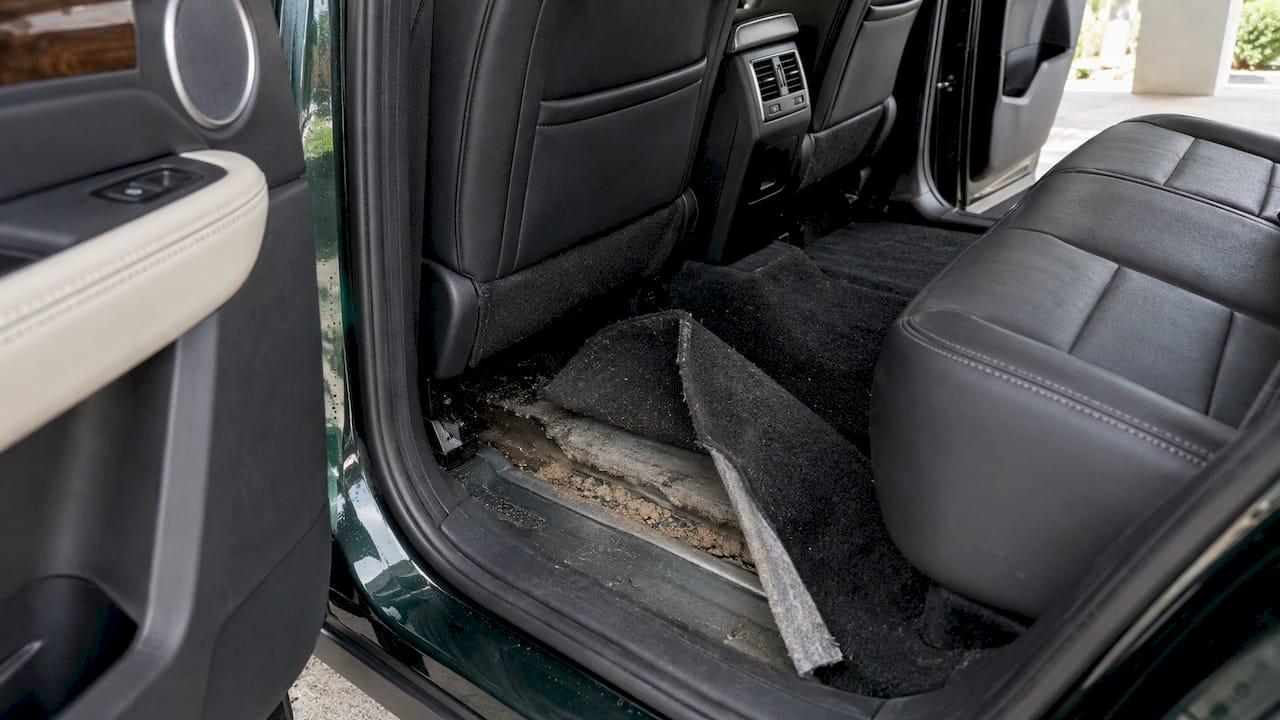
The surest way to spot a flood car in Florida is to combine three checks: a close look and sniff test of the cabin, trunk and engine bay, a VIN and title-history check, and an inspection by an independent technician before you sign. No single check is enough, because a flooded car can be cleaned up to look fine and can carry a clean title from another state. This guide shows what to look for, what each database can and cannot tell you, and how Florida law treats branded vehicles.
TL;DR
- Florida has an estimated 82,100 of the roughly 482,000 flood-damaged vehicles reported nationwide in a 2025 study, so every Florida used-car shopper should screen for it.
- Smell, look and feel first: musty odor or heavy air freshener, silt or waterlines in the glove box, under the dash and in the trunk, and unusual rust underneath.
- Run the VIN through the Florida motor vehicle check and NICB's free VINCheck, then get a full history report. A clean result is not a guarantee.
- Have an independent technician inspect the car before you complete the purchase.
- Florida dealers must disclose a branded vehicle in writing, but a flooded car from another state can arrive with a clean title.
Table of Contents
- Why flood cars are a Florida problem
- Step 1: Use your senses before you look at paperwork
- Step 2: Check the VIN and the title
- Step 3: Get an independent inspection
- What Florida law says about branded vehicles
- Is a flood car ever worth buying?
- Extra care when you cannot see the car in person
- A quick pre-purchase routine
- Promo: finding a clean, well-documented luxury car
- Our perspective
- FAQ
- Sources
Why flood cars are a Florida problem
Hurricanes, tropical storms and heavy summer rain put thousands of vehicles under water every year. Many are written off by insurers. Some are repaired and resold, and some are cleaned up and sold without anyone telling the next owner. The National Insurance Crime Bureau (NICB), a nonprofit funded by insurers, says dishonest sellers routinely hide flood history through superficial repairs and title washing, which means moving a car through states with different title rules until the brand disappears.
Why does this matter beyond a smelly carpet? Floodwater damages electrical systems, the engine, the transmission, brakes and safety features, according to the same NICB release. Consumer Reports notes that electrical problems from flooding might not emerge for months, as corrosion takes its toll. A car that starts and drives well on the test drive can still fail later, and the parts at risk include airbag and braking electronics.
For a luxury buyer the stakes are higher. Modern premium vehicles carry more control modules, sensors and wiring than a basic car, so water in the wrong place touches more systems. That is one reason a careful screen matters most on the vehicles you pay the most for.
Step 1: Use your senses before you look at paperwork
Start in person, and start with your nose. The Florida Department of Highway Safety and Motor Vehicles (FLHSMV) lists a musty smell, or a strong air freshener that may be masking mildew, as a warning sign. Sit in the car with the doors closed for a minute before you decide it smells normal.
Inside the cabin
The National Highway Traffic Safety Administration (NHTSA) advises looking for dirt and grime in hidden spots such as the trunk, the glove box and under the dashboard. Work through this list:
- Carpet and mats. Lift them. Look for mud, silt, stains or rust on the seat-rail bolts. Carpet that looks newer than the rest of the interior deserves a question.
- Upholstery. The NICB warns about mismatched upholstery and water stains. Check seat seams and door panels for tide lines.
- Seat belts. Pinellas County notes that belts that sound gritty or stick may have sand or mud inside the latch. Pull each belt all the way out and let it retract.
- Electronics. Run every window, the sunroof, the seat motors, the radio, the lights and the wipers. Intermittent faults are common after water exposure.
- Moisture. Look for fogging inside headlights and taillights, and for damp spots under the carpet padding.
Under the hood and under the car
NHTSA also recommends looking for unusual rust or corrosion under the vehicle. Florida's salt air and humidity leave some rust on older cars, so the test is whether the rust fits the age and history of the car. A three-year-old vehicle with heavily rusted undercarriage bolts is a mismatch.
The Texas Department of Motor Vehicles suggests checking the engine compartment for mud or water in alternator crevices, behind wiring harnesses and relays, and around the starter and power steering pump. It also suggests looking at drain plugs under the car and at the bottoms of the doors for signs they have been removed or replaced to drain floodwater. Pinellas County adds that a change in the color or viscosity of the engine oil can mean water has gotten in.

Step 2: Check the VIN and the title
Physical signs can be cleaned away. The vehicle identification number (VIN), the 17-character code on the dashboard and door jamb, is how you reach the record behind the car. Take a photo of it and run these checks at home before you spend time on a test drive.
Florida's own check
For Florida-titled vehicles, FLHSMV points buyers to its Motor Vehicle Information Check, where a VIN or title number confirms the vehicle description and shows whether a brand has been recorded. Under Section 319.14(1)(b) of the Florida Statutes, FLHSMV must indicate flood damage in a conspicuous place on the title, according to the same advisory.
NICB VINCheck
NICB's VINCheck is free and shows whether a vehicle has been reported stolen and unrecovered, or declared a salvage or total loss, by participating insurers. NICB limits searches to five per IP address in 24 hours. A clean result does not guarantee a clean history, because the results depend on what participating companies report.
A full vehicle history report
VINCheck does not cover title brands, odometer readings or accident history. For those, the NICB recommends obtaining a vehicle history report. Our guide to verifying a luxury vehicle history report walks through what to read in one, and our service-records checklist shows how to compare it with the maintenance paper trail. Look for odd gaps, a recent title issued in another state, or a short ownership chain after a storm season.
What the checks miss
The biggest gap is that title rules differ by state. FLHSMV warns that a flood-damaged vehicle from another state can be sold in Florida with a clean title. There is also no federal law governing what must appear on a title or which brands must carry over when a car is registered in a new state, which is what makes title washing possible.
In Florida, a vehicle is branded salvage when an insurer declares it a total loss, but the total-loss threshold varies from as low as 50 percent of the vehicle's value in some cases to as much as 95 percent in others, per the same Live Insurance News report. A car that was damaged but never declared a total loss may never get a brand. And a car that was never insured for flood, or whose owner paid out of pocket, leaves no insurer record at all.
| Check | What it can show | What it can miss |
|---|---|---|
| Your own inspection | Odor, silt, rust, mismatched carpet, fogged lights | Damage that was professionally cleaned or sits inside sealed parts |
| FLHSMV vehicle check | Florida brand and vehicle description | Out-of-state history and unbranded damage |
| NICB VINCheck | Total-loss or salvage declarations by participating insurers | Title brands, odometer, accident history, uninsured damage |
| Full history report | Title, odometer and brand history across states | Damage that was never reported |
| Independent technician | Mechanical, electrical and structural signs in person | Nothing replaces doing the earlier checks too |
Step 3: Get an independent inspection
If you do only one thing from this article beyond a VIN check, do this. The NICB recommends having the vehicle checked by a reputable technician or repair facility before completing any purchase. The Missouri Attorney General says to use an independent, trained technician with no relationship to the seller, and notes that databases may not be up to date, so a thorough examination may be the last resort. The same office says paying for an inspection can be a good investment because flood damage is sometimes hard to spot.
Tell the technician you suspect flood exposure. Ask for a scan of stored diagnostic codes, a look at the undercarriage on a lift, and a check of the electrical connectors. Our guide to why pre-inspection matters on used luxury cars explains what a strong inspection covers, and the pre-owned luxury inspection checklist gives you a list to hand over.
The timing of failures is the reason to be thorough. NHTSA says flood damage can affect a vehicle's mechanisms for years and may not show up right away. State Auto, an insurer, warns that days, weeks or even months later an airbag might deploy, the horn might start blowing, or the engine might stop. Safety systems are what is at risk, which is why a buyer should not rely on a short drive.
What Florida law says about branded vehicles
You do not need to read statutes to shop, but a few rules shape what a seller owes you.
- Florida dealers must disclose in writing if a vehicle has been branded, according to FLHSMV.
- FLHSMV also states that vehicles are not inspected before being branded as flood vehicles, and that insurance companies are required to brand flooded vehicles as salvage flood.
- Per LegalClarity, selling a branded vehicle without written disclosure under Section 319.14 is a second-degree misdemeanor, and Florida's Deceptive and Unfair Trade Practices Act (Section 501.976) lists misrepresenting a vehicle's previous usage as an actionable practice for dealers.
The practical point is that disclosure rules help only when the brand exists. A car with a clean Florida title and a hidden past will not trigger them, which is why your own checks matter.
Also read what you sign. Pinellas County explains that "as-is" means you buy the vehicle in its current condition despite verbal statements about it, and the dealer has no responsibility for repairs. So any promise about a car's history should be in writing. For what protections do and do not exist on used cars, see our Florida lemon law explainer.
Is a flood car ever worth buying?
For most buyers, no. Consumer Reports says it is usually not worth buying a car with a rebuilt title in terms of safety, value and avoiding hassles. Rebuilt-title vehicles typically sell for 20% to 40% less than identical clean-title models, and the same source notes that many major banks will not finance salvage or rebuilt titles, that insurers often offer only liability coverage, and that flood-damaged cars are among the riskiest salvage purchases because water corrodes wiring, sensors and structural components in ways that may take months or years to appear.
That is a bad trade for a family buying an SUV or minivan, or for a first-time luxury buyer stretching a budget. The lower price tends to disappear in financing costs, limited coverage and resale value. If you want to see how the savings compare, read our clean versus rebuilt title breakdown.
Extra care when you cannot see the car in person
Storm season is also when buyers shop remotely, and a flood car is hardest to catch through photos. If you are buying from a distance, the steps are the same, only harder: get the VIN first, run the checks, and arrange an inspection where the car is. Our sight-unseen guide lists three steps that should not be skipped.
Watch for the warning NICB gives: be cautious of deals that look too good to be true. A late-model luxury car priced well under comparable listings, with a fresh title and little history, is the pattern to slow down on.
A quick pre-purchase routine
- Get the VIN and run the FLHSMV check and NICB VINCheck.
- Pull a full history report and compare title states and dates.
- Inspect the cabin, trunk, glove box and under-dash areas in daylight.
- Check the engine bay, door drain plugs and undercarriage.
- Test every electrical function, including seat belts and lights.
- Book an independent technician before you commit.
- Get any statement about the car's history in writing.
Promo: finding a clean, well-documented luxury car
Auto Vendors Inc is a Fort Lauderdale dealership that sells used vehicles with a focus on luxury and premium models. You can browse by make, model, body style and price, including SUVs and sedans, or let our personalized Car Finder search for a specific vehicle on your behalf. Trade-in valuation and financing are part of the process, so one team handles the purchase from the first search to the paperwork.
Start with the Car Finder and tell us the make, model and budget you have in mind.
Our perspective
Buyers who come to us are usually weighing a significant purchase, and the best ones ask careful questions about history. We think that is exactly right. A luxury vehicle is bought for its craftsmanship, and that only means something if the car's past is as sound as its finish.
Our approach is hands-on. We curate a premium selection and help buyers find the specific model they want, rather than leaving them to sort through listings alone. We believe a personal relationship matters in a purchase like this: you should leave knowing what you bought and why.
Our advice for any Florida buyer is the same as the guidance in this article: check the VIN, read the history, get the car inspected independently, and keep what you are told in writing. Do that with any car, and you will buy with confidence.
Allen
FAQ
How can I tell if a car is a flood vehicle?
Start with smell and sight. A musty odor, silt or waterlines in the glove box, under the dash or in the trunk, and unusual rust under the car are the classic signs, according to FLHSMV and NHTSA. Then confirm with a VIN check and a technician's inspection.
Can a flood-damaged car have a clean title in Florida?
Yes. Title standards vary by state, so a flooded vehicle from elsewhere can be sold in Florida with a clean title, per FLHSMV. Damage that was never declared a total loss may never be branded either.
Is NICB's VINCheck enough on its own?
No. It is free and useful for salvage and total-loss reports from participating insurers, but it does not cover title brands, odometer readings or accident history, and a clean result is no guarantee. Pair it with a full history report and an inspection.
What should I do if the seller says the car is sold as-is?
Treat it as a reason to inspect more thoroughly. As-is means the dealer has no responsibility for repairs after the sale, according to Pinellas County. Have a technician look at the car first and get any history claims in writing.
Sources
- Flooded Vehicles consumer advisory, Florida Department of Highway Safety and Motor Vehicles
- Hurricane- and Flood-Damaged Vehicles, NHTSA
- NICB warns consumers to watch for flood-damaged vehicles
- VINCheck Lookup, National Insurance Crime Bureau
- Flood-Damaged Vehicles, Pinellas County
- TxDMV Smart Buyer Series: Checking for Flood Damage
- Tips to Avoid Flood Damaged Cars, Missouri Attorney General
- Five hidden ways flooding can damage your car, State Auto
- The Car Looks Clean. The Florida Title Looks Clean., Live Insurance News
- Florida Branded Title: Types, Rules, and Buying Tips, LegalClarity
- Is It Worth Buying a Salvage Car? Risks Explained, LegalClarity
- Should You Buy a Car With a Rebuilt Title? Consumer Reports