Yes, buying a car sight unseen can be done safely, but only if you enforce three non-negotiable steps before money changes hands: independent VIN and history verification, a professional pre-purchase inspection, and a written out-the-door quote with clear delivery terms. Skip any one of the three, and you're gambling. Treat this like due diligence on a real estate closing, not an eBay impulse buy.
TL;DR:
- Verifying the VIN through independent services and checking for title brands, odometer discrepancies, and recalls is essential before proceeding with any remote purchase.
- A professional pre-purchase inspection costing $150 to $400 should be conducted on vehicles over a few thousand dollars, private-party deals, or collector cars to avoid hidden issues.
- Requesting a comprehensive set of photos and a live, timestamped video walkthrough helps assess the vehicle's condition and reveals hidden defects or discrepancies.
- Always receive a detailed, written out-the-door quote covering all costs before transferring any funds, and use secure payment methods like verified bank checks or escrow services.
- Utilizing a dealer-backed Car Finder service can streamline searches, vet vehicles ahead of time, and coordinate inspections, reducing the risk of skipped verification steps.
Table of Contents
- Where to Search and How to Vet Sellers Fast
- How Do You Verify a VIN Before Buying?
- What Photos and Video Should You Demand?
- When Do You Need a Pre-Purchase Inspection?
- How Do You Handle Paperwork and Payment Safely?
- How Does Shipping and Delivery Inspection Work?
- What's Different About Buying a Classic Sight Unseen?
- What Are the Biggest Red Flags?
- How We Approach Sight-Unseen Sales at Auto Vendors Inc
- What the Conventional Advice Gets Wrong
- Let a Dealer-Backed Car Finder Do the Legwork
- Where to Verify Everything Yourself
- Sources
- FAQ
Where to Search and How to Vet Sellers Fast
Casting a wide net beats limiting yourself to local listings, especially if you're chasing a specific trim, color, or a low-mileage example of a discontinued model. National marketplaces surface more inventory, which matters most when you're buying a niche vehicle or a classic where local supply might be zero. For collector cars, narrow your search to marque-specific forums, registries, and specialist dealers who understand provenance and originality.
Before you engage a seller, do a quick credibility pass. Dealer legitimacy often shows up in small details like site quality and inventory consistency, according to buyer-advisory reporting.
- Consistent, professional inventory listings rather than one mysterious "too good" deal buried in a sea of unrelated cars
- High-resolution photos taken in daylight, not blurry stock shots or watermarked images pulled from elsewhere
- Willingness to share the VIN immediately, without hedging or delay
- A written price breakdown offered before you even ask for one
If vetting individual sellers feels like a second job, a dealer-run Car Finder service can do the legwork, sourcing vehicles that already meet baseline documentation and inspection standards before you ever see a listing.
How Do You Verify a VIN Before Buying?
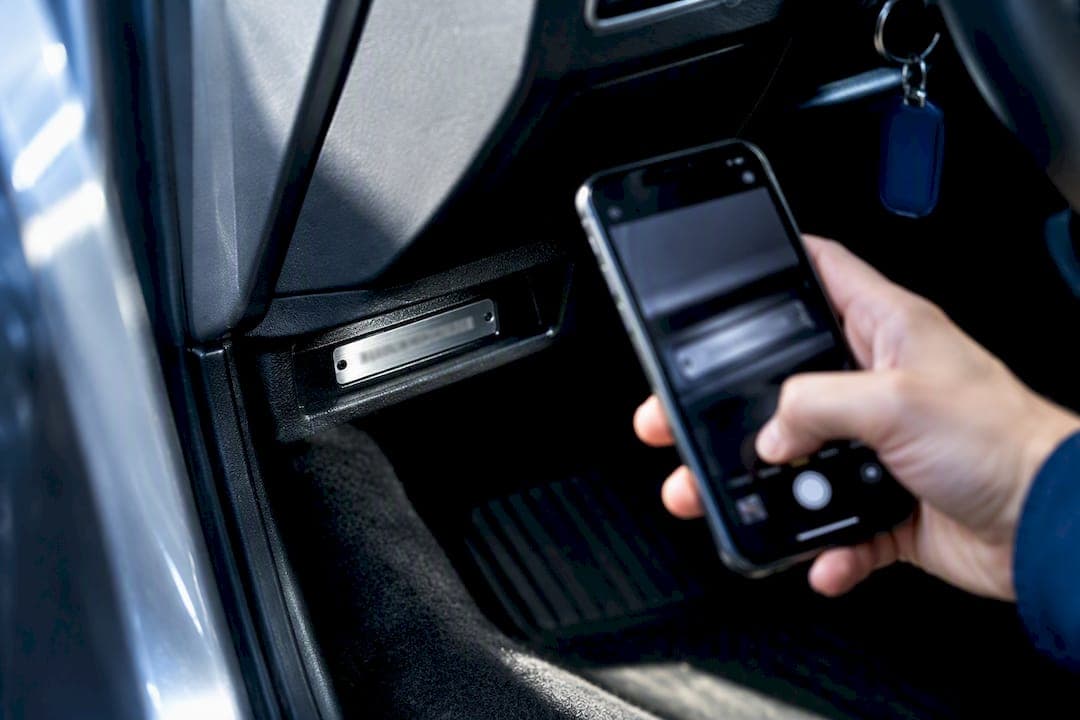
Every used car's story lives in its 17-character VIN, and you should never take a seller's word for what that story says. Pull the VIN from the dashboard photo or window sticker the seller sends, then run it yourself through independent sources rather than relying on a report the seller hands you.
Start with NMVTIS-linked services and the NICB's VINCheck for stolen-vehicle and total-loss flags, both free. A paid CARFAX or AutoCheck report adds ownership history, accident records, and service intervals, and it's worth the cost even if the seller already provided one; sellers occasionally omit unflattering entries.
What to scrutinize in the report:
- Title brands like "salvage," "flood," or "rebuilt," which can slash resale value even after a quality repair
- Odometer readings that jump inconsistently between service records, a classic rollback signal
- Multiple owners in a short window, which sometimes indicates a car that keeps disappointing buyers
- Open liens that could complicate the title transfer
Pro Tip: Cross-reference the VIN on the vehicle history report against the VIN etched on the dashboard photo the seller sends you. A mismatch, even a single digit, is grounds to walk immediately.
Finally, run the VIN through NHTSA's recall lookup to confirm there are no outstanding safety recalls the seller hasn't disclosed or addressed.
What Photos and Video Should You Demand?
Photos tell you what a seller wants you to see. A live video call, timestamped and unscripted, tells you what they can't hide. Buyer guides recommend requesting an extensive set of specific shots before you commit to a deeper conversation, let alone a deposit.
Request these before scheduling anything else:
- Close-ups of the VIN plate, the odometer, and the instrument cluster with the ignition on
- Full exterior shots in daylight from all four corners, including panel gaps at eye level
- Engine bay photos with the hood up, plus a clip of a cold start if possible
- Underbody shots showing the frame, exhaust, and any signs of rust or fluid leaks
- Interior shots of seats, headliner, and carpets, checking for water stains or mildew
Once photos check out, schedule a live video walkthrough. Ask the seller to narrate as they walk around the car, zoom into the VIN and odometer on request, and start the engine cold on camera. Fraud-prevention reporting consistently points to this live, timestamped format as one of the most effective screening tools available to remote buyers. A tool like Mobile Detail AI can also standardize condition capture when you want consistent, comparable imagery across multiple listings.
A seller who hesitates, offers excuses, or sends a shaky, cut-together video instead of a real-time walkthrough is telling you something. Move on.
When Do You Need a Pre-Purchase Inspection?
Any purchase over a few thousand dollars, any private-party deal, and anything involving a classic or collector car warrants a professional pre-purchase inspection (PPI). No amount of video footage replaces a mechanic with a lift and a code reader physically underneath the car.
A quality PPI typically runs $150 to $400 and should cover far more than a glance under the hood. A thorough inspection includes:
- Undercarriage and frame integrity, checking for rust, prior collision repair, or frame straightening
- Engine performance under load, not just idle, plus a diagnostic scan for stored trouble codes
- Suspension, brakes, and tire wear patterns that hint at alignment or steering issues
- Electrical systems, including infotainment, power accessories, and climate control
For high-value vehicles or classics, hire a marque specialist rather than a generic mobile inspector. A specialist knows what a factory-correct interior should look like on a 1967 Mustang or what a properly rebuilt transmission sounds like in a specific German sedan. If the PPI turns up issues, use the report as negotiating leverage rather than a reason to panic. Read more on what a luxury vehicle inspection should cover before you commission one.
How Do You Handle Paperwork and Payment Safely?
Never send money before you have an itemized, written out-the-door price in hand. That number should include the vehicle price, sales tax, dealer fees, and transport costs, with nothing left to "we'll sort it out later." Review our breakdown of the out-the-door price if a quote looks vague or incomplete.

Understand the legal reality too: most U.S. states still require an in-person signature on the actual sales contract, even when everything else happens remotely. Plan for a notary, a fly-in signing, or a dealer that handles document delivery and signature logistics on your behalf.
On payment, protect yourself the same way you would with any large remote transaction:
- Never wire funds to an account you can't independently confirm belongs to the seller or dealership
- Use a credit card, cashier's check verified by phone with the issuing bank, or an escrow service designed for vehicle sales
- Confirm the dealer's business license and physical address before releasing any deposit
- Ask whether a notary or licensed closing agent can handle signatures if you can't travel
Our guide to out-of-state car buying covers the tax and DMV logistics that trip up first-time remote buyers.
How Does Shipping and Delivery Inspection Work?
Get at least two transport quotes before booking anything. Open-carrier shipping runs cheaper but exposes the car to weather and road debris; enclosed transport costs more and makes sense for classics or high-value vehicles.
- Compare transport quotes based on distance, vehicle type, and enclosed versus open carriers
- Inspect the car the moment it arrives, before signing the carrier's delivery paperwork
- Take timestamped photos of every panel, the odometer, and any new damage within the first hour
- Drive it within the first 100 miles and note anything that feels off mechanically
- Notify the seller in writing immediately if you find a discrepancy, referencing your documented return window
Verify the seller's or dealer's return policy in writing before you pay, not after the truck leaves. Our home delivery car purchase guide walks through a full delivery-day checklist you can print and use.
What's Different About Buying a Classic Sight Unseen?
Collector cars demand a different level of scrutiny than a five-year-old sedan. Mechanical soundness matters, but so does authenticity, and a car that looks perfect in photos can still be wrong in ways that tank its value.
- Demand build sheets, ownership history, and restoration receipts, not just a verbal account of the car's past
- Request marque-specific service records, especially for any engine or transmission work
- Hire a marque specialist or certified appraiser to perform the PPI rather than a general mechanic
- Weigh originality against restoration quality; a numbers-matching original often commands more than a beautifully redone car with replaced components
Provenance documentation and specialist appraisal matter more for collector vehicles than for ordinary used cars, where mechanical condition tends to dominate the value conversation.
What Are the Biggest Red Flags?
Some issues are dealbreakers no matter how good the price looks. If a seller won't share the VIN, refuses an independent inspection, or the video shows mismatched panel gaps or musty water stains, walk away. A branded title discovered after the fact, when the seller claimed "clean," is a lie worth ending the deal over.
- Seller withholds the VIN or delays sharing it past your first request
- Panel gaps, paint overspray, or mismatched trim suggesting undisclosed collision repair
- Musty smell, water lines, or rust in unusual spots pointing to flood damage
- Any title brand the seller didn't disclose upfront
- Refusal to allow a third-party PPI at your expense
When a PPI turns up a real but fixable issue, negotiate rather than walk. A repair credit, price reduction, or an escrow release tied to the seller fixing the problem before final payment all work. This is where the informal $3,000 rule helps: if the repair estimate approaches or exceeds roughly $3,000 on a mid-priced used car, treat it as a serious negotiating chip or a signal to reconsider the deal entirely, since you're now weighing repair cost against the car's actual market value.
How We Approach Sight-Unseen Sales at Auto Vendors Inc
Every vehicle we source through our Car Finder service goes through inspection-assisted vetting before it reaches a buyer's shortlist, so remote buyers aren't starting from zero. Allen's practical advice: commission your own PPI even when a seller shares one, and document delivery day with photos before you sign anything.
What the Conventional Advice Gets Wrong
Most sight-unseen guides treat distance as the danger. It isn't. The actual risk is skipped verification, and that risk exists whether the seller lives three states away or three miles down the road. Buyers who'd never skip a home inspection before closing on a house will happily wire a deposit on a $40,000 car based on six photos and a friendly phone call.
Here's what conventional advice underweights: the PPI matters more than the video walkthrough, not less. A slick video proves the car exists and starts. It doesn't catch a failing transmission mount or a frame repair hidden under fresh undercoating. Prioritize the PPI budget over the negotiation. Buyers obsess over shaving a few hundred dollars off the price and then skip the $150 to $400 inspection that could have caught a $3,000 problem.
If you do one thing differently after reading this, make it that: book the inspection first, negotiate second.
— Allen
Let a Dealer-Backed Car Finder Do the Legwork
Every step in this guide, VIN checks, video walkthroughs, PPIs, written quotes, takes time most buyers don't have. Our Car Finder service is built for exactly that gap: instead of chasing listings and vetting strangers yourself, you tell us what you're after and we source it from vehicles already screened against these standards.
We handle the curated search, coordinate pre-purchase inspection details, and put together a documented, itemized quote before you commit to anything, so there's no ambiguity about what you're paying and why. Delivery coordination follows the same documented approach outlined above, with a clear inspection window once the vehicle arrives.
If you'd rather browse inspected inventory directly, our current lineup of used vehicles is a solid starting point, or head to Car Finder to start a search tailored to what you actually want.
Where to Verify Everything Yourself
Don't take any seller's word alone. Run the VIN through NHTSA's recall lookup for outstanding safety issues, and check NICB's VINCheck for stolen or total-loss flags. For a full history, buy an independent CARFAX or AutoCheck report even if the seller offers one. Our vehicle history verification guide breaks down how to read the results.
Sources
- How to buy a car online - Consumer Reports
- Avoid these 3 mistakes when buying a used car sight unseen | AP News
- Buying a Car Sight Unseen: A Comprehensive Guide - CarGurus
- NHTSA recalls
- How To Buy A Car Remotely From A Dealer Without Getting Ripped Off - Jalopnik
FAQ
Is It Wise to Buy a Car Sight Unseen?
It can be, provided you verify the VIN independently, commission a professional pre-purchase inspection, and get a written out-the-door price before paying. The main danger isn't distance, it's skipped verification, so treat every remote deal as a due-diligence project rather than a leap of faith.
What Is the $3,000 Rule for Buying Cars?
It's an informal guideline suggesting that if a needed repair on a mid-priced used car approaches or exceeds roughly $3,000, that cost should weigh heavily in your decision to buy, negotiate, or walk away. It's not a legal standard, just a practical checkpoint for comparing repair cost against the car's actual value.
What Is a Red Flag When Buying a Car Sight Unseen?
A seller who withholds the VIN, refuses an independent inspection, or sends a scripted video instead of a live walkthrough is signaling trouble. Mismatched panel gaps, musty interior smells, and undisclosed title brands are equally serious warning signs worth walking away from.
What Should You Never Reveal to the Dealer When Negotiating?
Avoid stating your maximum budget, your monthly payment target, or how emotionally attached you are to a specific vehicle. Keep the focus on the itemized out-the-door price and let the pre-purchase inspection findings, not your enthusiasm, drive the negotiation.
Do I Still Need to Sign Paperwork in Person for a Remote Car Purchase?
In most cases, yes. Most U.S. states require an in-person signature on the final sales contract, so build a notary visit or a dealer-coordinated signing into your timeline even if everything else happens by phone and video.