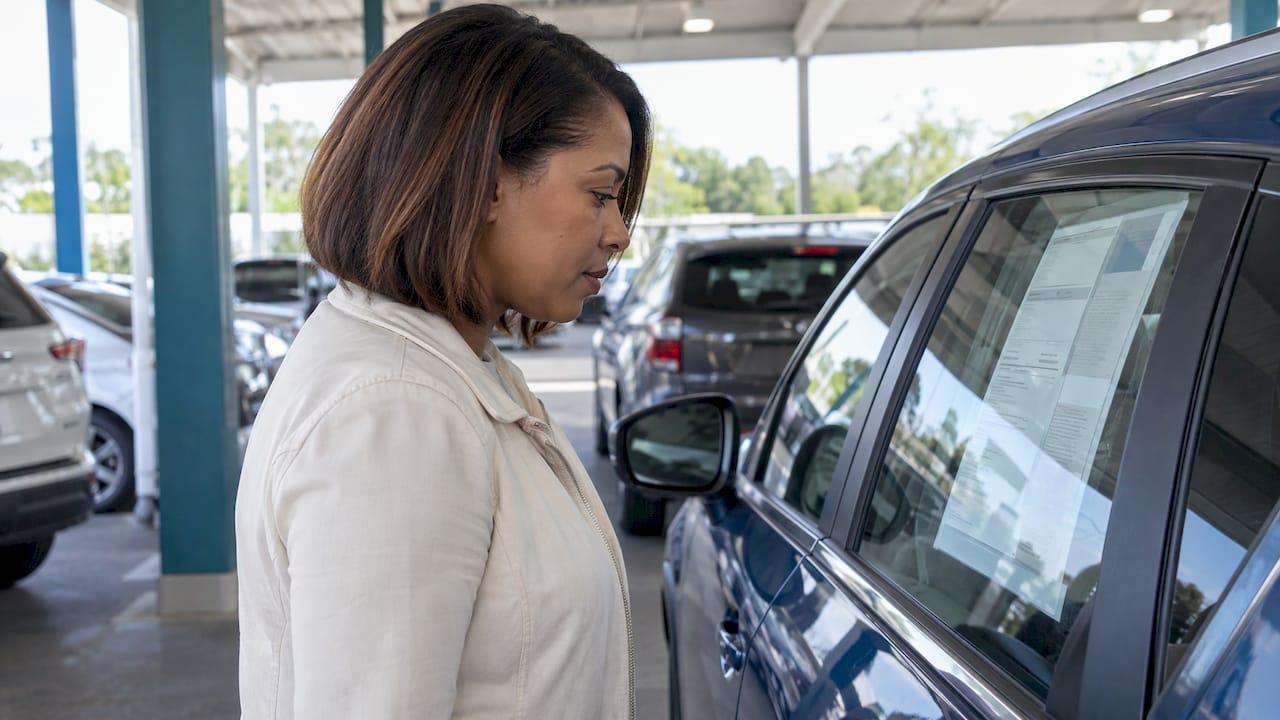
In Florida, an "as is" used car comes with no dealer warranty, so you pay for any repair needed after the sale closes. That is the rule, but it is not a blank check for the seller. The FTC Buyers Guide, Florida's dealer-conduct statute and your own paperwork decide what you are really agreeing to. If you read the guide, get the car inspected and put every promise in writing, you can buy an as-is car on solid footing. If you want help finding a vehicle worth that scrutiny, our Car Finder is built for exactly that.
TL;DR
- "As is" means no dealer warranty. Florida's highway safety agency says all repairs are the buyer's responsibility once you drive off.
- The Buyers Guide on the car's window tells you whether the sale is as-is, and it becomes part of your sales contract.
- Florida has no used-car lemon law, and there is no legal three-day right to cancel. A return window exists only if the dealer offers one in writing.
- Dealers still cannot misrepresent a car's history or condition. Florida Statutes §501.976 makes that actionable.
- Get an independent inspection before you sign, and keep every promise in writing.
Table of Contents
- What "as is" actually means in Florida
- The FTC Buyers Guide: the document that controls
- What still protects you on an as-is car
- No lemon law and no cooling-off period
- How to buy an as-is car with confidence
- What to do if a problem appears after the sale
- Common as-is questions people get wrong
- Why this matters more on a luxury used car
- Perspective
- Looking for a used luxury car in South Florida?
- FAQ
- Sources
What "as is" actually means in Florida
An as-is sale means the dealer is selling the car in its current condition and is not promising to fix anything that goes wrong later. The Florida Department of Highway Safety and Motor Vehicles (FLHSMV) puts it plainly: "as is" means no warranty, and repairs are the buyer's responsibility.
That covers the transmission that starts slipping in week two, the air conditioning that quits in August, and the sensor that throws a warning light on the way home. If the dealer did not promise coverage, the bill is yours.
Two things are worth separating:
- As-is is a disclosure, not a loophole. The dealer has to tell you before the sale, in a specific federal format.
- As-is does not erase honesty rules. A dealer can sell a car without a warranty. It cannot lie about the car.
Most used cars at independent and franchised lots in Florida are sold this way, especially older or higher-mileage vehicles. Newer, lower-mileage cars may still carry the remainder of a factory warranty or a dealer warranty, and the Buyers Guide will say which.
The FTC Buyers Guide: the document that controls
Under the FTC's Used Car Rule, a dealer must prepare and display a Buyers Guide before offering a used vehicle for sale. You will see it on the window of the car. According to FLHSMV, the dealer must also give you the Guide after the sale.
The Guide states one of three things:
| What the box says | What it means for you |
|---|---|
| As Is, No Dealer Warranty | The dealer promises nothing. You carry repair costs after the sale. |
| Implied warranties only | The dealer does not give a written warranty, but state-law implied warranties apply where the state allows them. |
| Dealer warranty | The Guide lists the percentage of repair costs the dealer pays, which systems are covered and for how long. |
The rule itself notes that state law limiting or prohibiting as-is sales overrides the federal form.
The Guide also lists major systems and the problems that can occur in them, and it gives a contact for complaints about the dealer. FLHSMV notes it advises buyers to get an independent inspection and put promises in writing.
The Guide beats the contract
This is the detail most buyers miss. The FTC's consumer guide explains that the final Buyers Guide reflects any warranty changes you negotiate, becomes part of the sales contract, and controls over conflicting contract terms. So if a salesperson agrees to cover the first 90 days of repairs, that promise belongs on the Guide, not in a handshake.
The same FTC guide says that if a dealer fails to provide the required disclosures, the sale is not "as is". That gives you a reason to check the window sticker before you start negotiating.
What still protects you on an as-is car
Buying as-is does not mean you have no recourse. Florida regulates how dealers talk about the cars they sell.
Dealer conduct under Florida Statutes §501.976
This statute lists practices that count as unfair or deceptive under the Florida Deceptive and Unfair Trade Practices Act (FDUTPA). According to the 2025 Florida Statutes, covered conduct includes unsupported claims about a vehicle's history or condition, and failing to honor a warranty that was not properly disclaimed.
Subsection 4 is especially useful. A dealer may not describe a vehicle's quality of care, regularity of servicing or general condition unless it knows the statement is true and can back it with material fact. A line like "one owner, always dealer serviced" has to be supportable.
Where documentation matters
Florida's Attorney General advises buyers not to rely on a salesperson's spoken promises. The office also says to insist on an independent inspection and treat a refusal as a warning sign. Spoken assurances are hard to prove later. Written statements are evidence.
No lemon law and no cooling-off period
Two protections people assume exist do not apply to used cars in Florida.
No used-car lemon law. The Florida Attorney General states that Florida has no used-car lemon law, and FLHSMV says the same. The state's lemon law, Chapter 681, is aimed at new vehicles; its stated intent is to provide a replacement or refund process for consumers with defective motor vehicles under the statute's terms. For a closer look at what does and does not apply, see our guide on the Florida lemon law for used cars.
No three-day right to cancel. The FTC explains that dealers are not required to give used-car buyers a three-day cancellation right. A return policy exists only if the dealer offers one, and then only on the terms it writes down. Once you sign, the deal is generally done.
That is why the decisions you make before signing carry so much weight.

How to buy an as-is car with confidence
The goal is to learn what you are buying before the sale closes, because afterward your options narrow. Here is a routine that works.

1. Read the Buyers Guide before you talk price
Find the box that is checked. Confirm the Guide on the window matches the one in your deal paperwork. If you negotiate warranty terms, make sure the final Guide reflects them, since it governs over contrary contract language.
2. Get the vehicle history and service records
Ask for the service history the seller can show, and compare it with the vehicle history report. A mismatch between what you are told and what the records show is the kind of gap §501.976 is designed to address.
3. Arrange an independent inspection
This is the single most useful step on an as-is car. FLHSMV and the Attorney General both recommend an inspection by a mechanic you choose. On luxury and late-model cars, a general shop may miss electronics, driver-assistance sensors and air suspension, so ask for someone who works on the brand. We cover what the process involves in why pre-inspection matters for used luxury cars, and the pre-owned luxury inspection checklist lists what to look at.
4. Get every promise in writing
If the seller says the brakes were just replaced, the tires are new or a second key is coming, those statements go on the paperwork. Careful records protect you, and they are also how any later claim gets documented. A step-by-step look at how a vehicle transaction paperwork process works shows why signed documents, titles and payment records matter at every stage. For the Florida side of the paperwork, see our notes on used car purchase paperwork.
5. Look at the full out-the-door number
An as-is price is only part of the cost. Taxes, tag fees and the dealer's documentation fee all add up. Florida does not cap the doc fee, so ask for disclosure and an out-the-door breakdown. The state's tax rules are covered in our Florida car sales tax guide.
6. Decide whether you want added coverage
If you want protection beyond as-is, ask what coverage is available at purchase and read the terms of any service contract carefully, including what is excluded. For late-model luxury cars, electronics and driver-assistance systems are the expensive parts, which is why we wrote about used luxury warranties that cover electronics and ADAS.
If you cannot see the car in person
The same logic applies, with more care. Our three steps for buying a car sight unseen cover how to verify condition from a distance.
What to do if a problem appears after the sale
Start by sorting out which kind of problem you have.
A normal mechanical failure on an as-is car. If the Guide said as-is and the dealer made no promises, the repair is generally yours to pay. Check your paperwork first, though: any written promise, extra coverage or service contract you bought may apply.
A problem that contradicts something you were told. This is the situation the law covers. If the dealer described the car's history or condition and the description turns out to be unsupported or false, §501.976 treats that as actionable.
In that case:
- Stop and document. Photograph the problem, keep warning-light records and save repair estimates.
- Gather the paperwork. You want the Buyers Guide, the sales contract, advertisements, texts or emails and any service history provided.
- Put your complaint in writing to the dealer. Say what was represented, what you found and what you are asking for. Keep a copy.
- File a complaint with the state. The Florida Attorney General accepts consumer complaints online or by mail. The toll-free number within Florida is 1-866-966-7226.
- Talk to a Florida consumer attorney. If significant money is involved, a lawyer can tell you whether your facts fit a FDUTPA claim. This is a legal question, and a lawyer is the right person for it.
Common as-is questions people get wrong
"The salesperson said it was fine." Spoken statements are hard to prove. Ask for them in writing or do not count on them.
"I can bring it back in three days." Not unless the dealer put a return policy in writing. The FTC says no such right is required.
"It's a lemon, so Florida's lemon law covers it." The state has no used-car lemon law, according to the Attorney General.
"As-is means the dealer can say anything." It does not. Statements about history and condition must be supportable.
Why this matters more on a luxury used car
Luxury vehicles pack more electronics, more sensors and more specialized parts than a basic commuter car. A single module or suspension component can cost far more to replace. That makes the pre-purchase steps above worth more, not less, when the badge is premium. It also makes a dealer who knows the models you are cross-shopping valuable, because they can tell you what to examine on each one.
Perspective
At Auto Vendors Inc in Fort Lauderdale, we focus on quality used vehicles, many of them luxury and premium models, and we think a buyer should walk into any purchase understanding exactly what the paperwork says.
Our view is simple: the best protection on a used car is information gathered before you sign. Read the Buyers Guide, understand what "as is" means, and get your questions answered while you still have leverage.
That is also why we put effort into personalized vehicle finding. When we help you search, the aim is to match you with the right car for your budget and your life, not just the nearest one on the lot. For first-time luxury buyers and busy professionals, that guidance matters.
Whatever dealer you choose, ask about the car's history, ask what the sale terms are and keep your documents. Careful buyers end up with cars they enjoy.
Allen
Looking for a used luxury car in South Florida?
If you would rather have help than scroll through listings, our Car Finder gives you personalized assistance searching for the vehicle you want, including unique or luxury models. You can also browse our used inventory by make, model, body style and price, and ask about trade-in valuation and financing options as part of your purchase.
Start with the Car Finder, or look through all used vehicles for sale, including SUVs and sedans. If you plan to finance, our guide to how dealer arranged financing works explains the process.
FAQ
Is an as-is car sale legal in Florida?
Yes. Florida allows as-is sales by dealers as long as the FTC Buyers Guide is displayed and the dealer follows state rules on honest representations. The Guide must say clearly that the vehicle is sold as-is with no dealer warranty.
Can I return an as-is car in Florida?
Not as a matter of right. The FTC states that dealers are not required to offer a three-day return period on used cars. A return option exists only when the dealer offers one, so get the terms in writing before you sign.
Does Florida's lemon law cover used cars?
No. The Florida Attorney General states that Florida has no used-car lemon law, and that an as-is purchase should not be expected to provide legal protection for a lemon. Your protections come from the Buyers Guide, the contract and the dealer-conduct statute.
What if the dealer lied about the car's condition?
Florida Statutes §501.976 makes unsupported claims about a vehicle's history or condition actionable under FDUTPA. Collect your paperwork, put your complaint in writing, file with the Attorney General's office and speak with a Florida consumer attorney about your options.
Sources
- Buying from a Licensed Dealer, Florida Department of Highway Safety and Motor Vehicles
- Buying from a Private Sale, Florida Department of Highway Safety and Motor Vehicles
- 16 CFR 455.2, Consumer sales window form (eCFR)
- Buying a Used Car, Federal Trade Commission
- How to Protect Yourself: Buying a Used Car, Florida Attorney General
- Florida Statutes §501.976 (2025)
- Florida Statutes §681.101 (2018)
- Consumer Complaint Form, Florida Attorney General
- Car buying service process